
Coming off the success of The Fighter, Russell turned his attention towards his next project, Silver Linings Playbook. The film follows Pat Solitano, a man with Bipolar Disorder who moves back home with his parents (Robert De Niro and Jacki Weaver). Initially determined to win his wife back, Pat meets Tiffany (Jennifer Lawrence), a young widow who forces Pat to re-evaluate his relationship not only with her, but with his father, Pat Sr. As always, a spoiler alert is in effect.
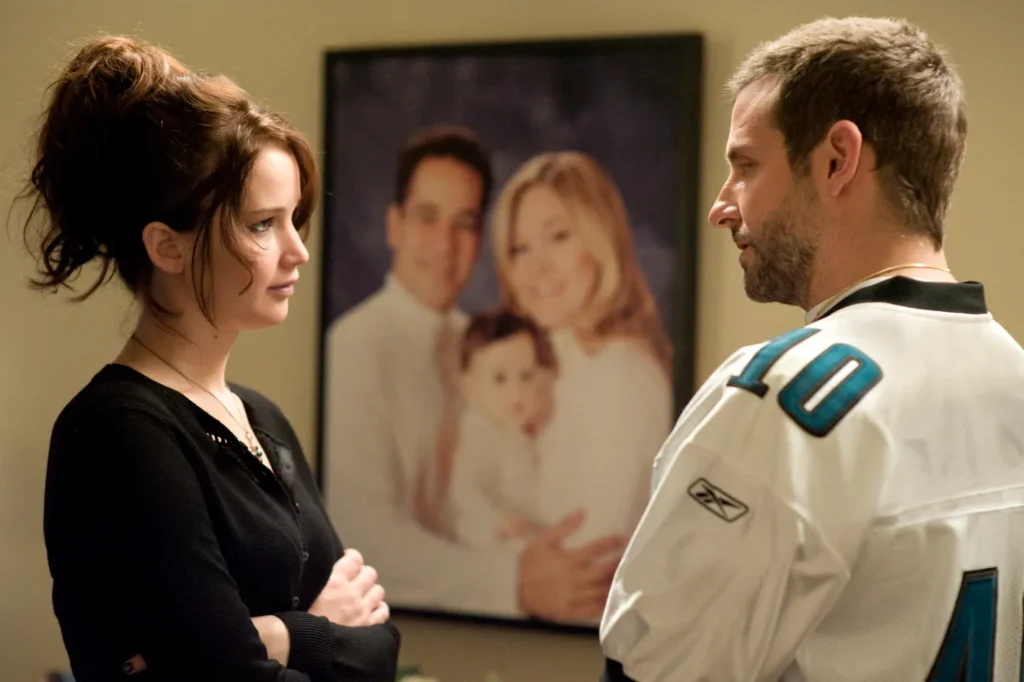
The film rights to Matthew Quick’s novel, The Silver Linings Playbook, were acquired by Harvey Weinstein (ugh) for his company before the novel’s publication in 2008. Through their Mirage Enterprises production company, Sydney Pollack and Anthony Minghella were set to produce with David O. Russell directing. The film was placed on hold after Pollack and Minghella’s deaths within months of each other in 2008. Russell continued to work on the screenplay before moving on to direct The Fighter and then returning to his screenplay. Pollack informed Russell that adapting the book would be tricky because the story combines humor, romance, and the subject matter of mental illness. Because of this, Russell estimates that he wrote 25 script drafts. What initially drew Russell to the project, according to him, was that he felt the material had a connection to his son, who has OCD and Bipolar disorder.

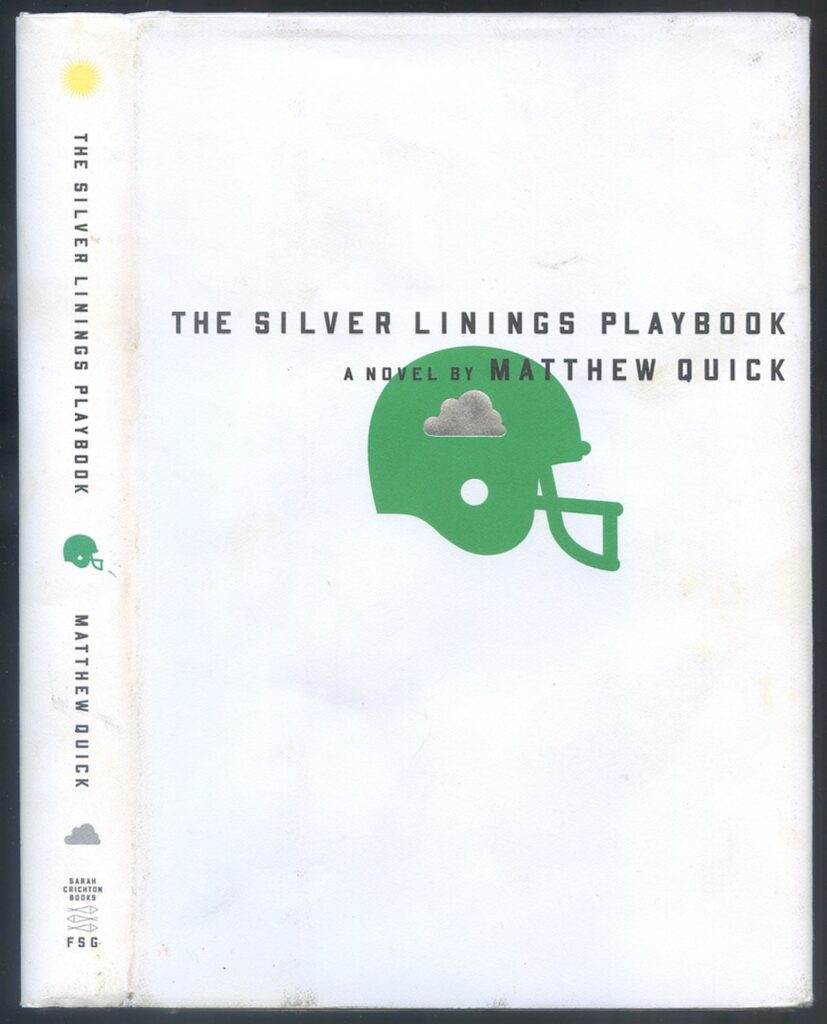
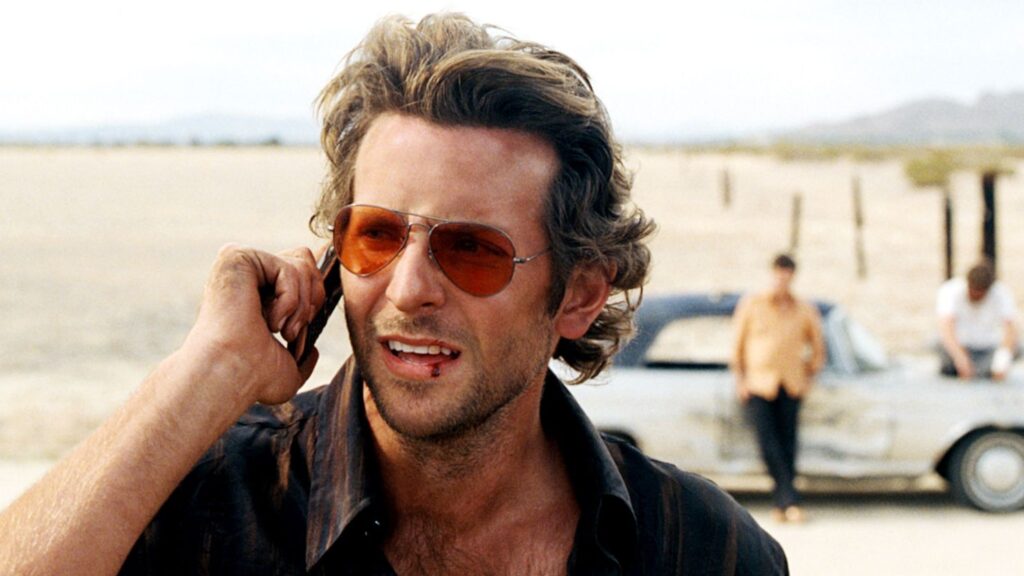
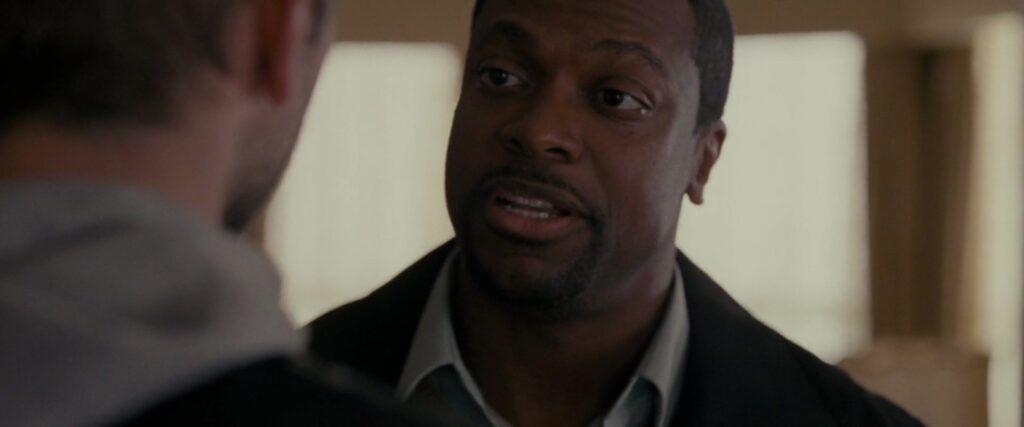
Initially, Russell wanted Vince Vaughn and Zooey Deschanel to be in the lead roles of Pat and Tiffany, which I could see. However, Russell left to direct The Fighter, and the duo were unavailable when he returned to the project. After working with him on Three Kings, I Heart Huckabees, and The Fighter, Mark Wahlberg initially hoped to play the role of Pat, but had to drop out due to his commitment to the film Broken City. After a failed attempt at a film adaptation of Pride & Prejudice & Zombies that Russell was to direct, starring Bradley Cooper, Russell cast him as Pat. What sold Cooper to Russell, was his role in Wedding Crashers, citing his “good bad guy energy” and his unpredictability as an actor as the reason for casting. Anne Hathaway was initially cast as Tiffany, but dropped out due to commitments to The Dark Knight Rises and, allegedly, creative differences with Russell. Despite her age during filming (21 to Bradley Cooper’s 37), Jennifer Lawrence replaced Hathaway as Tiffany. Rounding out the cast was Chris Tucker as Pat’s friend, Danny, and Robert De Niro and Jacki Weaver as Pat’s parents, Pat Sr. and Delores.

I want to tell you something about myself. I’ve challenged myself to read more books. I have an Audible subscription and listen to many books, particularly memoirs and behind-the-scenes books about the entertainment industry. My challenge is to read more physical books, which is hard for me, most likely due to my interests and attention span. I struggle with my attention span to read a book for ten minutes, but I could listen to an audiobook for hours if I wanted to. There’s also the fact that I can listen to an audiobook while I drive, cook, or what have you, but that’s neither here nor there. As a way to ease myself into reading more books, I’m starting by reading books that were adapted into movies. Because I like this movie and the following script I intend to dive into involves a character with mental illness, I thought I would start with the source novel.
They say that the book is always better than the movie, but in some cases, that’s incorrect. Of course, that phrase is entirely subjective, though. I’ve heard The Godfather film is better than the novel. I’m not comparing Silver Linings Playbook to The Godfather, but I would say that this film is better than the source material. That’s not to say that the novel is bad, but it is different. Russell takes many liberties when adapting Quick’s novel, which is mostly just the main character’s journal told from his point of view. Some changes are significant and others are smaller, but noticeable. A noticeable alteration was changing the character of Pat Peoples Jr. to Pat Solitano Jr. In the novel, Pat’s been in the mental hospital for nearly four years, and doesn’t initially remember why he’s there. In the film, Pat knows what he did to end up in the institution, as he tells Dr. Patel during their first meeting. He’s also aware that he only spent eight months there due to a plea deal. In the novel, Pat is upset at having missed his brother Jake’s wedding, but in the film, it’s revealed that Jake has an off-screen fiancée. Russell invents the word “excelsior” as a way of calming Pat down, and in the novel, his wedding song that sets him off is “Songbird” by Kenny G. “My Cherie Amour” by Stevie Wonder replaces the Kenny G. song in the film. Small changes.

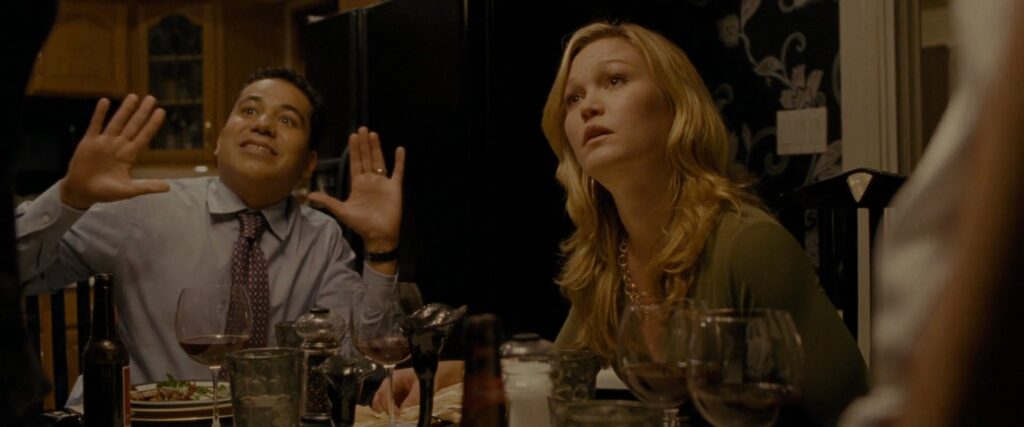
The character of Tiffany, while important in the novel, is much more prominent in the film. In the book, Tiffany is a widow suffering from depression. She is carrying on reasonably well. In the film, Tiffany’s depression is present, but is accompanied by other mental illnesses. Just as Pat appears to be in trouble with his parents, Tiffany seems to be in trouble with her sister, Veronica (Julia Stiles). The film puts her at Pat’s level, so to speak. For lack of a better term, she’s just as “messed up” as he is. A noticeable (and humorous) example is when Tiffany and Pat compare their medication for their illnesses at a dinner party hosted by Ronnie (John Ortiz) and Veronica. I also think that because Tiffany and Pat are on the same level, it adds more significance when they fall for each other.

Other significant changes were made to the script. The first was adding Danny’s character. He’s mentioned in the novel as being Pat’s friend from “the bad place” (Pat’s name for the institution), or as Pat calls him, his “black friend, Danny.” Russell introduces Danny at the start of the film to give Pat a friend and provide more details about the hospital in Baltimore through exposition. While his “escape” attempts from the hospital fail both times, he shows up when it counts. He shows up to provide input when Pat and Tiffany prepare for the dance competition, he shows up to the actual dance competition, and then shows up at the end of the film to watch the Eagles play with Pat and his family on game day. The dance competition, in both the film and novel, provides Pat an outlet for his anger. However, in the book, the contest is for “Dance Away Depression,” a competition that Tiffany appears in every year, but according to her, it mainly consists of teenage girls. The contest is more established in the film and draws in elite dancers. The song they dance to differs in the novel and film, but that’s pretty small.
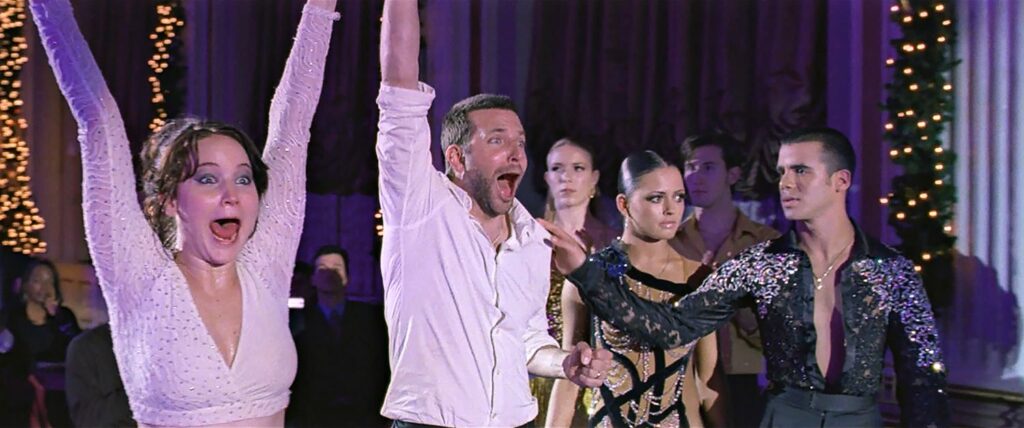
The most significant change Russell brought to the script was the character of Pat Sr. In the novel, the character appears one-dimensional. He likes the Eagles, treats his wife poorly, doesn’t want to speak to his son, and only does so when the Eagles win. That’s the extent of his character. In the film, Pat Sr. feels much more three-dimensional and developed than in the novel. While still a bit of a hardass towards his son, Pat Sr. loves him and wants to spend time with him. He also loves and treats his wife better than he does in the novel. The superstitious and OCD traits that Pat Sr. displays are traits Russell invented for the film. It adds more depth to the character and serves as the missing link between him and Pat. If Pat Sr. has undiagnosed mental illnesses, it makes more sense that Pat Jr. would have a diagnosis. Another invention for the film was the character of Randy and the subplot of Pat Sr. being a bookie and a gambling junkie. Again, it adds more depth and nuance to the character, but it allows the stakes to be raised. By incorporating Pat and Tiffany’s dance competition into the parlay, a two-part bet that could make or break the Solitano family, Russell ingeniously increases the stakes of the dance competition.

That’s all I have to say about the writing. Moving on to the performances, I would say this is an almost perfectly cast film. Robert De Niro brings a level of compassion and depth to the role of Pat Sr. in his best performance in years. Jacki Weaver is excellent as Delores, Pat’s loving mother who wants nothing but the best. De Niro and Weaver were nominated for Academy Awards (in the supporting categories) for their roles. As good as she was, Weaver didn’t warrant a nomination, if you ask me. De Niro, on the other hand, I thought did. It was his first nomination in 21 years (since Cape Fear). As Danny, Chris Tucker plays a more serious role than I am used to seeing him in, and he nails it. It’s not quite a revelation like when some comedic actors take on dramatic roles, but he does it well. Anapam Kher is likable as a die-hard Eagles fan and Pat’s therapist, Dr. Cliff Patel. Additionally, the smaller parts of Ronnie, Veronica, and Jake are played to perfection by John Ortiz, Julia Stiles, and Shea Whigham. Even the late Paul Herman is humorous as loan shark Randy.
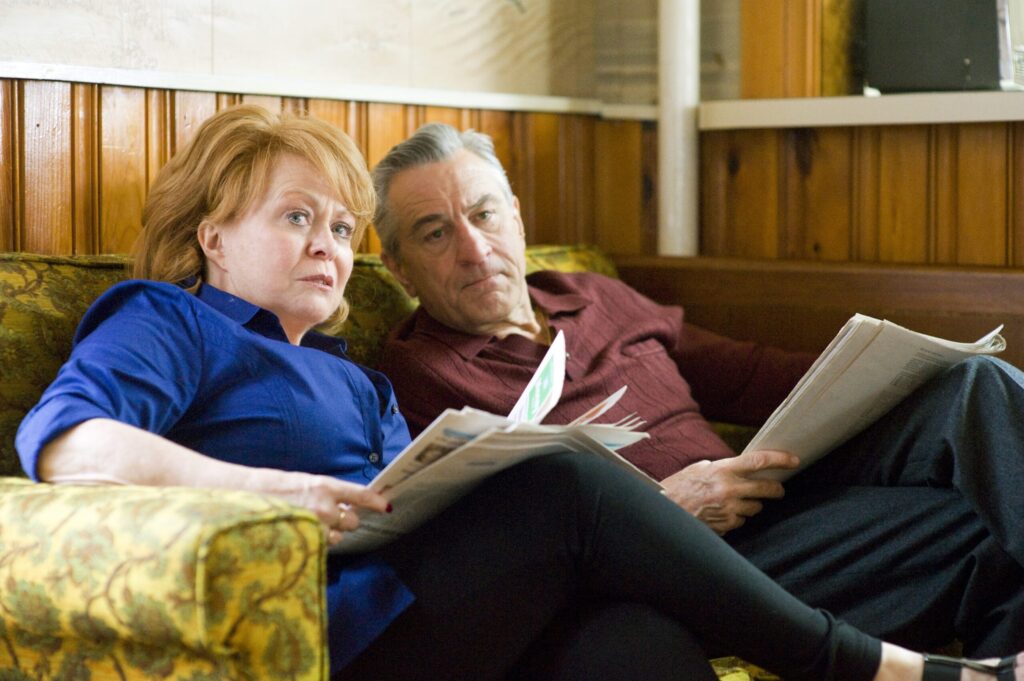

The two standout performances are, without a doubt, Bradley Cooper and Jennifer Lawrence. As Russell predicted, Cooper can bring charm and sweetness in one moment and then explode with anger (or passion) in the next. I was in eighth grade when this movie came out. Bradley Cooper as an awards darling, is the only Bradley Cooper I’ve ever known. To put myself in a 2012 mindset, I would probably find it funny to think that the actor known as the jerk boyfriend from Wedding Crashers or one third of the clueless trio from The Hangover would earn an Oscar nomination. I would probably laugh out loud if you told me it would be the first of twelve nominations (as of this writing) with no wins.

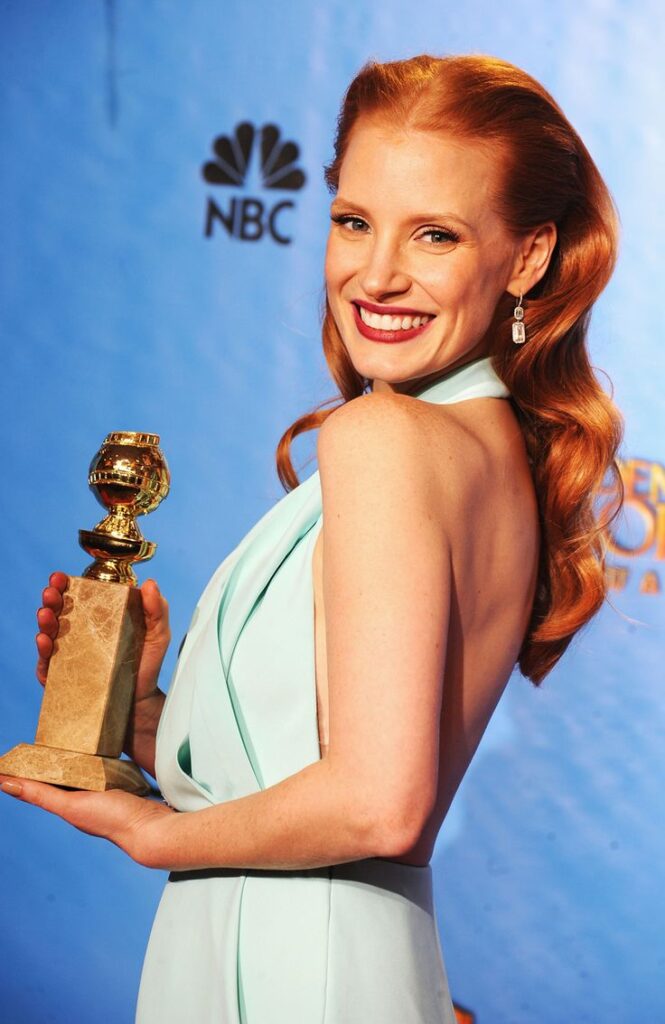
I would probably use “revelation” when describing Jennifer Lawrence’s performance. It’s hard to believe that she plays a character about a decade older than her because she embodies Tiffany’s character well. It shouldn’t be shocking because she burst onto the scene two years prior with an Oscar-nominated performance in Winter’s Bone. Because this was the year that The Hunger Games film set the world on fire, it’s easy to see that people might forget that she has serious acting chops when the last thing audiences saw her in was an adaptation of a YA novel. To play two vastly different characters in the same year is quite impressive. Ultimately, Lawrence won the Academy Award for Best Actress, the film’s only win. She was famously neck and neck with Jessica Chastain for Zero Dark Thirty. Both won the Golden Globe for Best Actress (Lawrence for Comedy and Chastain for Drama) but lost the BAFTA to Emmanuelle Riva (for Amour). Lawrence took home SAG and, eventually, the Academy Award. Jessica Chastain would later win her own Oscar for The Eyes of Tammy Faye (a performance better than the film itself), so I’m happy both women have a statuette.

The film was released on November 16, 2012, to critical acclaim and was a commercial success. It grossed $246.5 million on a budget of $21 million and was nominated for eight Academy Awards. As previously mentioned, the film was the first film since Million Dollar Baby eight years earlier to be nominated for the “Big Five” (Best Picture, Director, Screenplay, Actor, Actress). It was the first film since Reds in 1982 to be nominated in all four acting categories. At age 22, Lawrence became the second youngest Best Actress winner after Marlee Matlin, aged 21, for Children of a Lesser God. If I had to choose one more award to give this film, I would select Adapted Screenplay. Russell adds to a strong source material in his screenplay and elevates it beyond what’s on the page. I think that’s the goal of every screenwriter. Although Argo is one of my favorite films of all time, I would keep Argo’s win for Best Picture but give its win for Adapted Screenplay to this film.

That’s all for now. As always, thank you for reading. Up next, comes our final discussion, American Hustle. Until then…