Before we begin, I want to issue a formal spoiler alert.
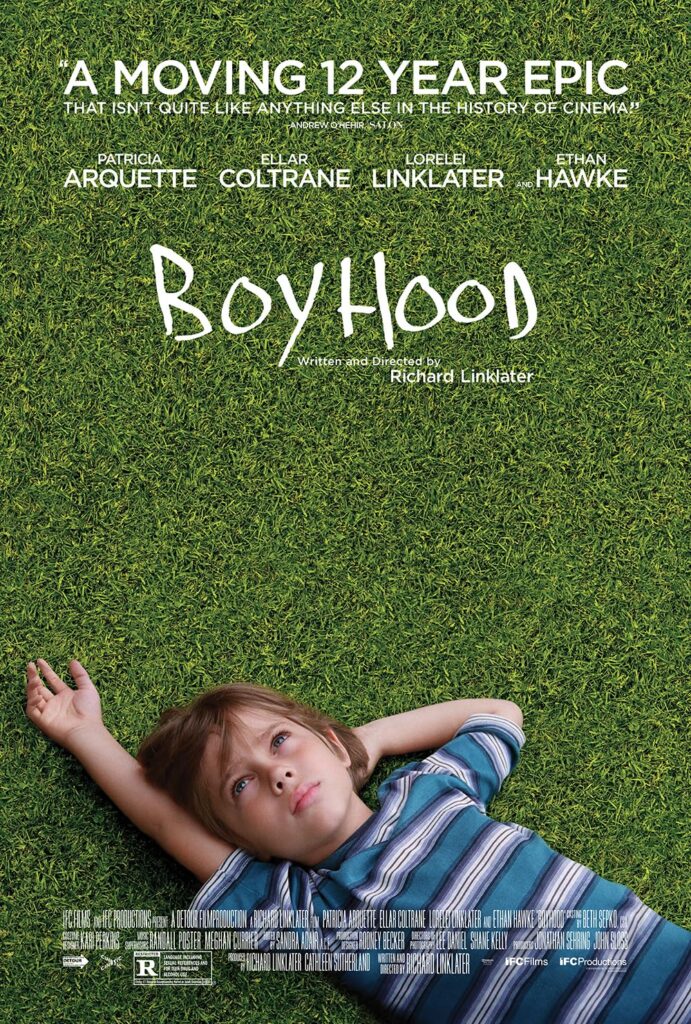
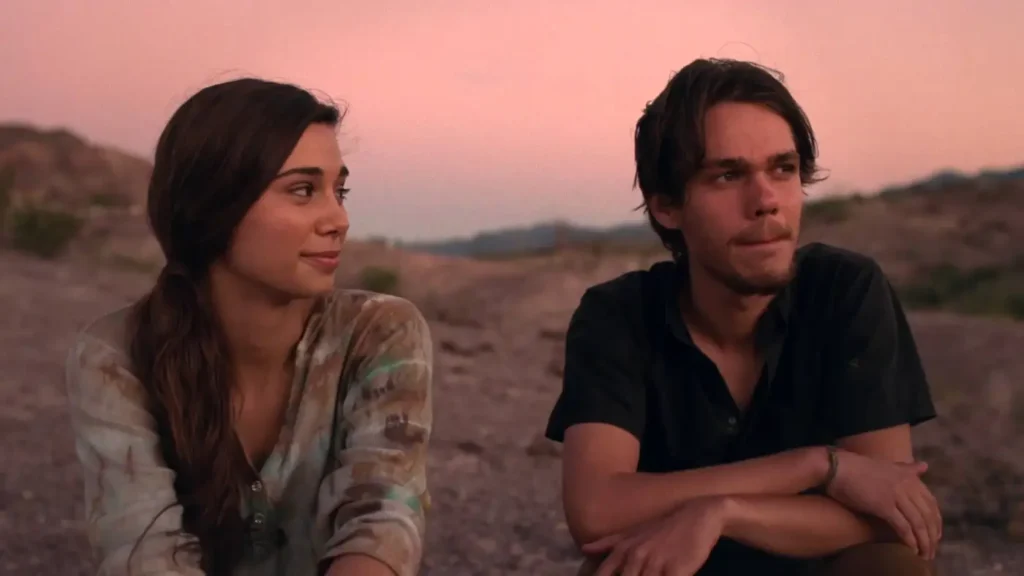
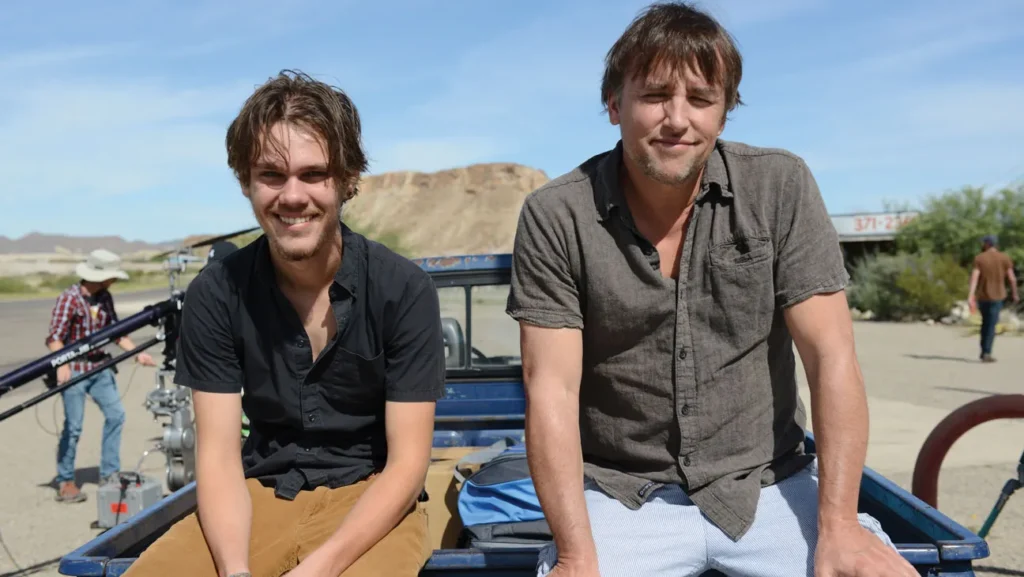
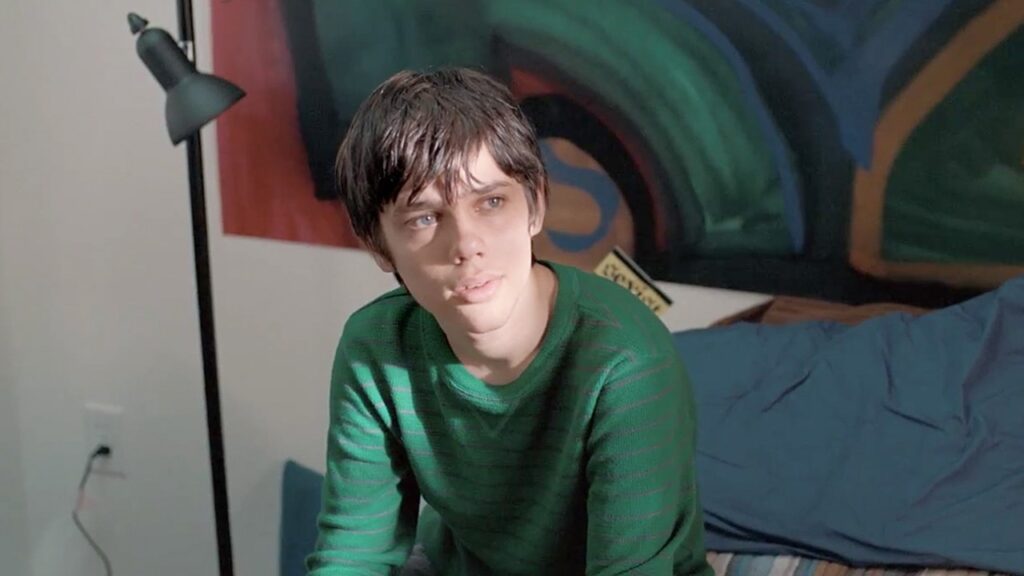
For today’s post, I wanted to talk about a film that, to me, reinforced what cinema can be: Boyhood. For those who don’t know, Boyhood follows Mason Jr. from age six to eighteen and all of his trials and tribulations that come with growing up. The film will be best remembered for its innovative style. Writer/director Richard Linklater shot the movie in small increments over twelve years. This allowed the actors to grow naturally and progress as both individuals and actors in front of the camera. This is perfectly illustrated by the film’s opening and closing shots. The opening shot is a close-up of six-year-old Mason, lying on the grass, looking up at the sky. It’s the film’s most iconic image, and it also serves as its poster. The final shot features eighteen-year-old Mason, now a man with facial hair and earrings, sitting on a rock at Big Bend, discussing life philosophies with a girl he met at college.
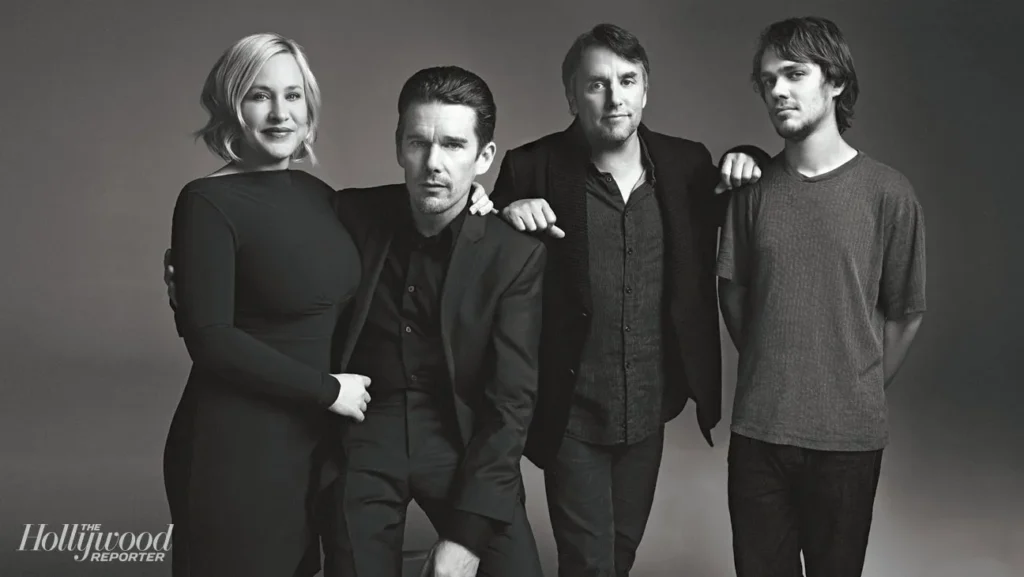
Production of the film was announced in 2002. Linklater told journalists of his plan to tell a story about a kid and his parents as the kid ages from first grade through high school graduation. IFC Films, the film’s distributor, provided $200,000 for each year of filming, totaling $2.4 million. From a business side, there was some risk. Because of the De Havilland Law, which makes it illegal to sign a contract for more than 7 years, the deals with the cast appeared closer to handshake agreements than legally binding agreements—according to Linklater, his daughter, Lorelei, who plays Samantha, lost enthusiasm for the project during the fourth year. She wanted her character to be killed off, but Linklater refused. Eventually, she regained her passion for the project, but without legal recourse, it could have been messy. Rounding out the main cast was an unknown six-year-old actor named Ellar Coltrane as Mason, Patricia Arquette as Mason’s mom, Olivia, and frequent Linklater collaborator, Ethan Hawke, as the father, Mason Sr. Additionally, Linklater and Hawke had an agreement that if Linklater died during production, Hawke would finish the film.
When filming began, the script was incomplete. Linklater knew the major beats of the film and the ending, but would write the script as he went. He would write the following year’s portion after watching the footage of the previous year, incorporating changes he noticed in the actors. Things that would happen to Linklater and the actors in real life would often be incorporated into the characters and their journeys. While the idea of starting shooting without a script sounds like a recipe for disaster, it worked for Boyhood. This allowed the characters to develop alongside the actors, making it feel more natural. Even though it is a narrative feature, Boyhood feels like a documentary, in some regards. It also feels like a time capsule with the different relics of the early aughts depicted on screen.
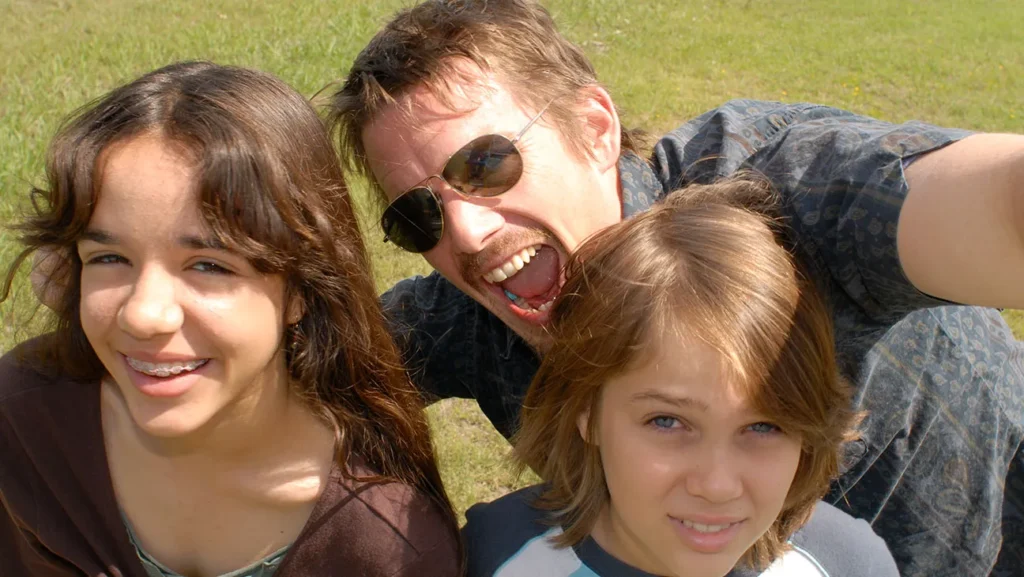
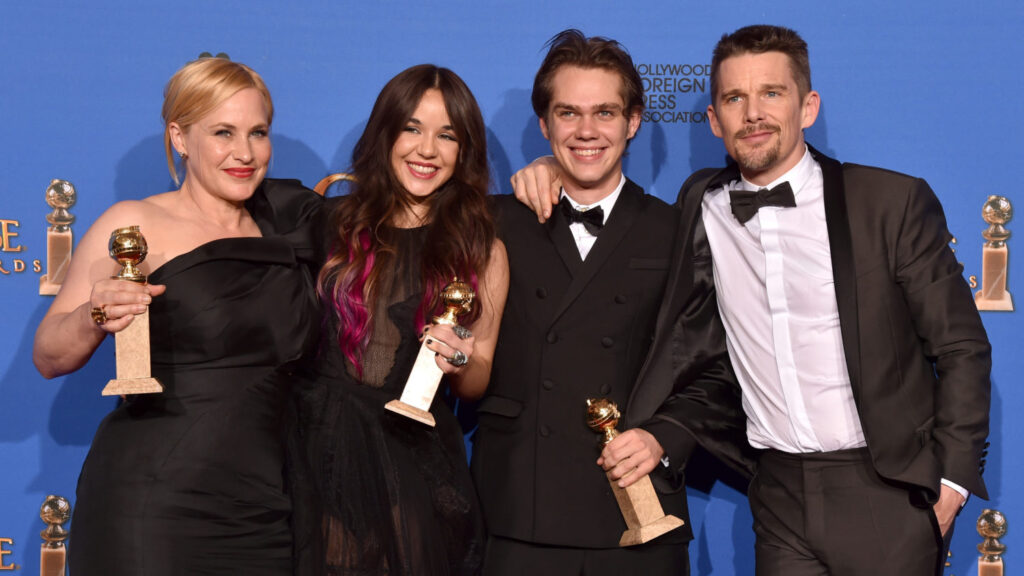
When the film was finally released, it was a critical and commercial success. The film’s inventive style was praised. The film earned a 97% on Rotten Tomatoes and, as of this writing, is the most recent film to have a perfect score on Metacritic. Patricia Arquette and Ethan Hawke, in particular, were singled out for praise. At the 2015 Golden Globes, the film earned five nominations, winning three – Best Picture (Drama), Best Director, and Best Supporting Actress (Arquette). At the Academy Awards, it was nominated for six Oscars, including the same categories it won at the Golden Globes, plus Best Original Screenplay, Best Film Editing, and Best Supporting Actor (Ethan Hawke). The film underperformed on Oscar night, with only Arquette winning. The film lost Picture, Director, and Original Screenplay to Birdman, which overperformed that night.

I’m not sure what went through Oscar voters’ heads that night. Birdman is undoubtedly a great film. I suppose if Boyhood was going to lose, at least it lost to Birdman. Funnily enough, I wrote a post on Michael Keaton, and I spoke about the Birdman vs. Boyhood year. After re-watching Birdman, I was convinced that the right film won. Now, after re-watching Boyhood for the first time in a decade, my opinion has switched back. At the very least, even if the film didn’t win Best Picture, I would have loved for Linklater to take home the Best Director Oscar. I understand that Alejandro Inarritu’s direction and one-take style were dazzling, but so was Linklater’s unique approach. The Oscars split the Best Director and Best Picture categories more often than in the past. I felt like this would have been a perfect candidate.
Regardless of the Oscar outcome, this will go down in history as one of the great films. Before re-watching the film for this post, my perception of it was completely different. Like many, I admired the technical aspects and the achievement it was, but the film was dull. After the re-watch, my whole perspective changes. As I’ve gotten older, I’ve realized that time is one of my favorite elements in a story, because so much change happens over time. I think about some of my favorite movies. Take Goodfellas and Boogie Nights, for example. Goodfellas focuses on Henry’s life in the mafia during three decades, chronicling his rise, his paranoia and drug use, all the way to his fall as a state’s witness. When Boogie Nights begins, Eddie Adams is a naive kid with a prominent member. We watch him transform into Dirk Diggler, taking over the adult film industry in the mid to late 1970s, but we also watch him abuse drugs, hit rock bottom, and start again in the early 1980s. While those two films are effective in clearly laying out the timelines, Boyhood is different. Because Linklater uses the same actors and lets them age naturally, I find the timeline much more effective. While some may say it’s a gimmick, I think it’s a great tool for storytelling. In films like Boogie Nights or Goodfellas, the director can use makeup and other tricks to age the characters, and it still feels believable. However, neither of those films makes you feel like you’re watching a documentary. Boyhood does.
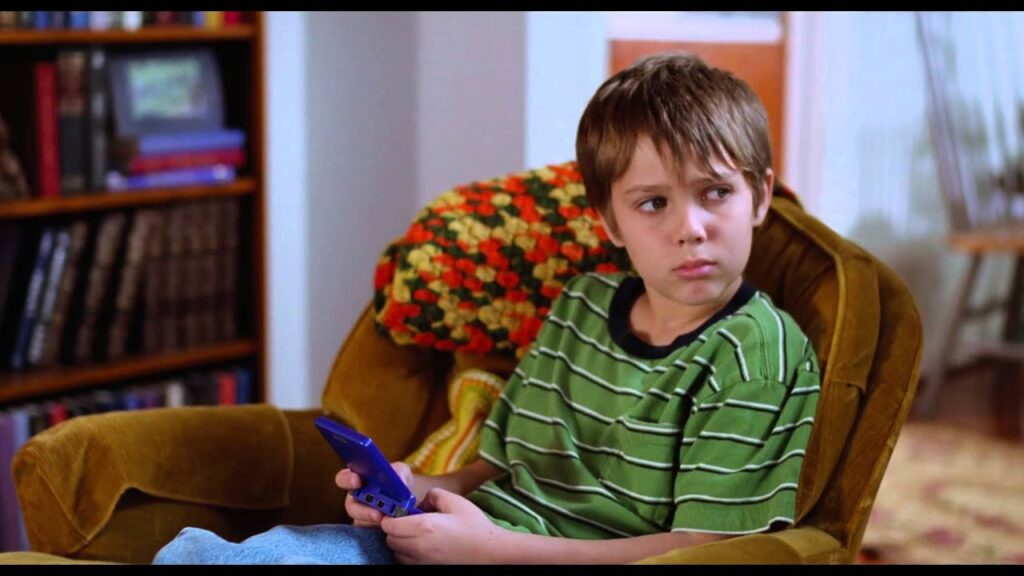
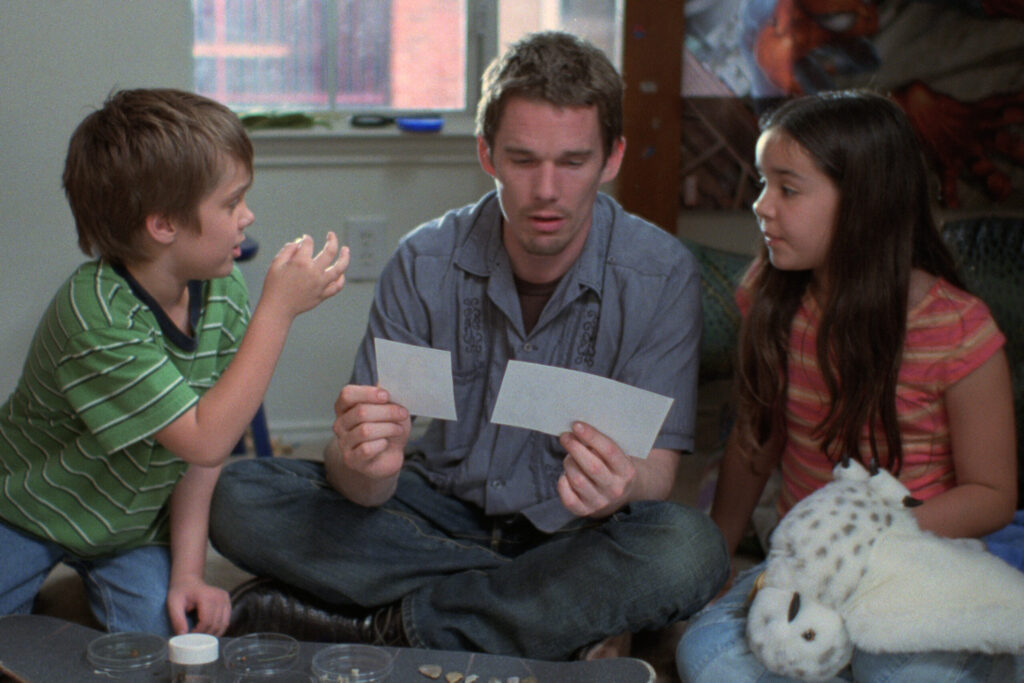
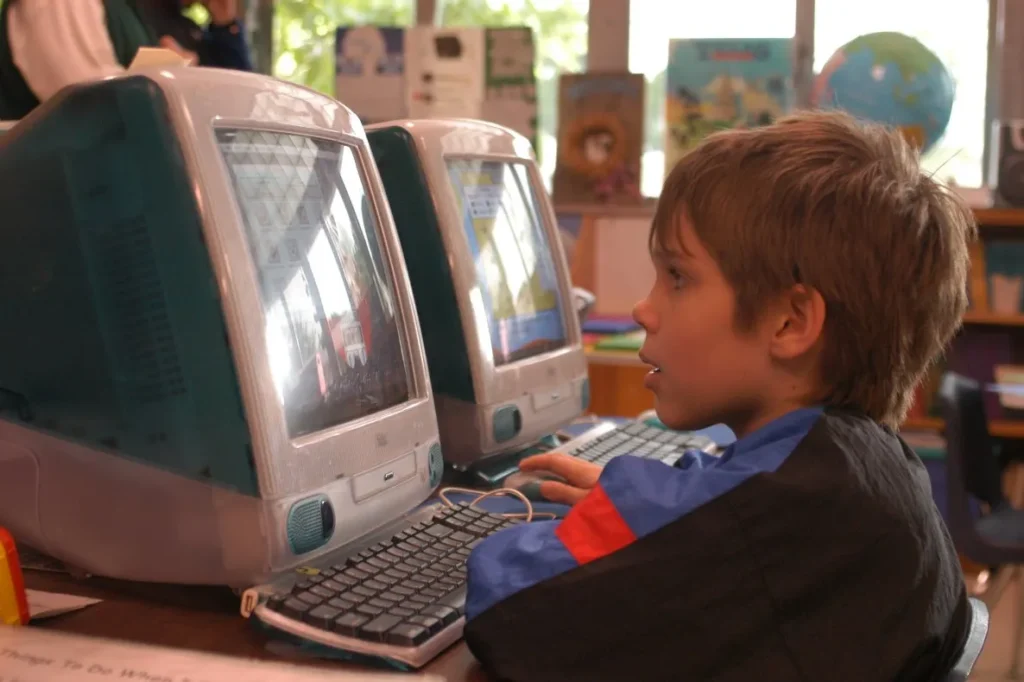
I mentioned earlier that this film could be a time capsule, and I stand by that. What I loved about this film is that it doesn’t announce time jumps with on-screen titles or corny dialogue. The film announces time jumps in subtle ways: with character and surroundings. Time jumps are announced through the characters in different ways. It could be a different haircut, a growth spurt, acne, a voice deepening, or other visual signs of puberty for the kids. For adults, it’s their hairstyle, facial hair, weight loss or gain, and other noticeable signs. Many visual elements help date the film. Technology, for example, is one of them. At different points, Mason is seen using a multicolored iMac, a Game Boy Advance, an original Xbox, and a Wii, and he ends up regularly using an iPhone. Cultural events also date the film. For instance, Olivia reads to her kids early on, a chapter from Harry Potter and the Chamber of Secrets. Later in the movie, the kids dress up and go to a bookstore for the release of Harry Potter and the Half-Blood Prince. These elements can be more subtle, such as when Mason watches the “Landlord” video starring Will Ferrell on Funny or Die, or when a character sings songs from High School Musical. On the flipside, there are also significant political events that can help date the film, from Mason Sr. telling his kids people should vote for “Anybody but Bush” in 2004, to them campaigning for Obama in 2008.
I mentioned the phrase, “corny dialogue.” While dialogue can help to date moments in the film, it’s not what I would call corny. I define “corny dialogue” as dialogue that sounds unnatural and is used for no other purpose than to label a time and place in the film. I.e., “Here we are. I can’t believe it’s already 2009. Time flies.” There’s none of that here. When I say that the dialogue can help place the time in the story, I’m talking about when a girl tells Mason that she’s probably the only girl in school that isn’t obsessed with the Twilight books or when camping with his father, he tells his dad that the three best films that summer were Tropic Thunder, Pineapple Express, and The Dark Knight. If you don’t know it off the top of your head, as I do, you could perform a quick Google search to discover that the first Twilight film was released in 2008, as were the three other movies. The clues are subtle, yet sufficient. Even audio plays a part in identifying the specific time of a scene. Linklater effectively communicates this through his needle drops, or music cues. As the film progresses, the audience is treated to Sheryl Crow, Soulja Boy, and Gotye. For someone coming of age during this era, those songs are an auditory time capsule.
I mentioned earlier that time is my favorite aspect of film. My personal philosophy is that humans are meant to evolve and grow over time. I’m not the same person I was five years ago, five days ago, or even five minutes ago. Three of the four main characters in the film have notable, complete arcs. Admittedly, Lorelei Linklater as Samantha doesn’t have much of an arc. I mean, she does grow and develop with age, but her character doesn’t change much. She starts as Mason’s older, perfectionist sister with a bit of an attitude. By the end of the film, she may not be as antagonistic to her brother, but she’s still a bit selfish and has an attitude. Perhaps I totally missed it and will discover it by re-watching the film in another ten years. I wouldn’t put it past me. Watching Mason, the titular boy, grow was the main appeal, if you will. You’ve got to see him grow from an inquisitive six-year-old boy to a sensitive and artistic young man who isn’t afraid to question the status quo. The best part is, it’s not a time jump. You get to see his evolution over real time and see those seeds get planted. It’s a payoff for watching what is essentially a two-hour-and-forty-five-minute home movie.
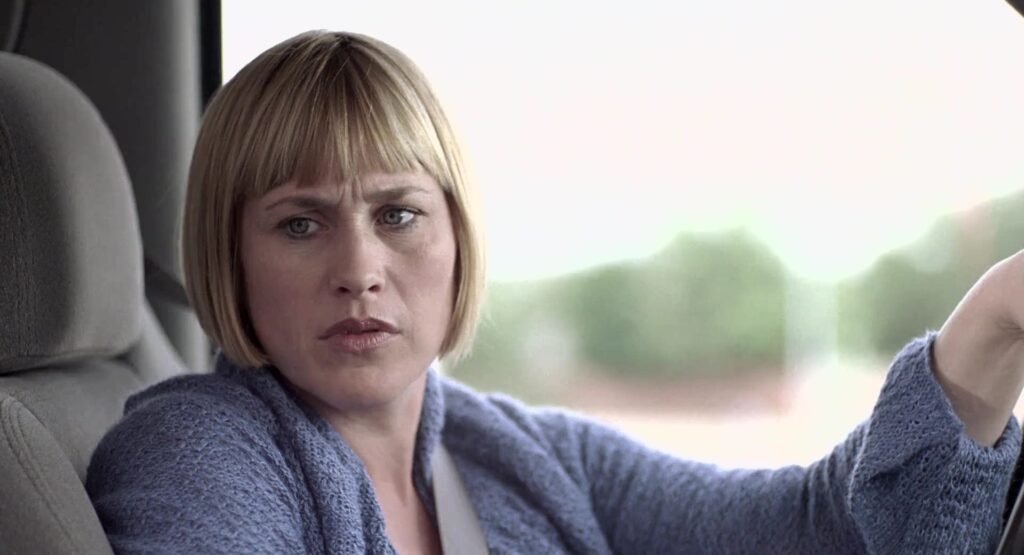
While the film is technically about Mason, his parents undergo significant character changes as well. When the movie starts, Olivia is a single mother of two kids, struggling to provide for them. Her boyfriend makes a quip early on about how she spends too much time with her kids. She lashes out at him and asks, “Don’t you think I would like some time for myself?” That’s the key question. That’s important later. She decides that she needs to attend college and, in doing so, uproots her family. She falls for and marries her professor, Bill. As she continues her academic career, she ignores Bill’s strict parenting. It’s only after Bill has pushed her to the ground and become a full-blown alcoholic that she leaves him. She gets settled in again and starts teaching at a college. In a role reversal, she falls for and marries one of her students, Jim. Jim is an Iraq War veteran, and for reasons not fully explored, most likely a mix of PTSD and internal dissatisfaction, he begins drinking heavily. Olivia, this time, doesn’t put up with any bullshit and divorces him. She becomes content being single. In one of her final scenes, she has a breakdown before Mason leaves for college. Her life, as we have seen, has been devoted to her kids. She laments being all alone, a stark contrast to her wish at the start of the film to have more time for herself. It’s a devastating moment that caps off a tumultuous character arc.
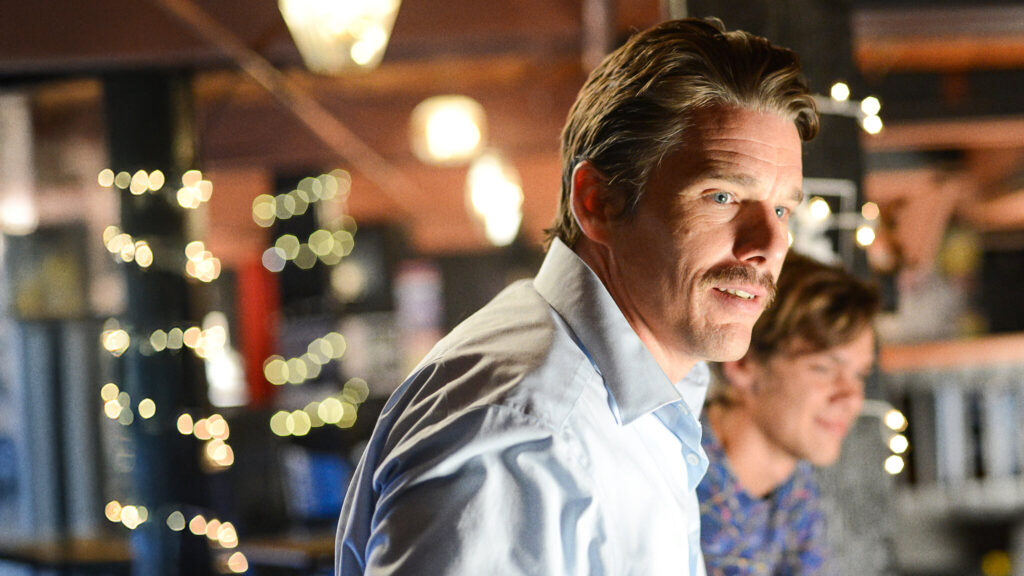
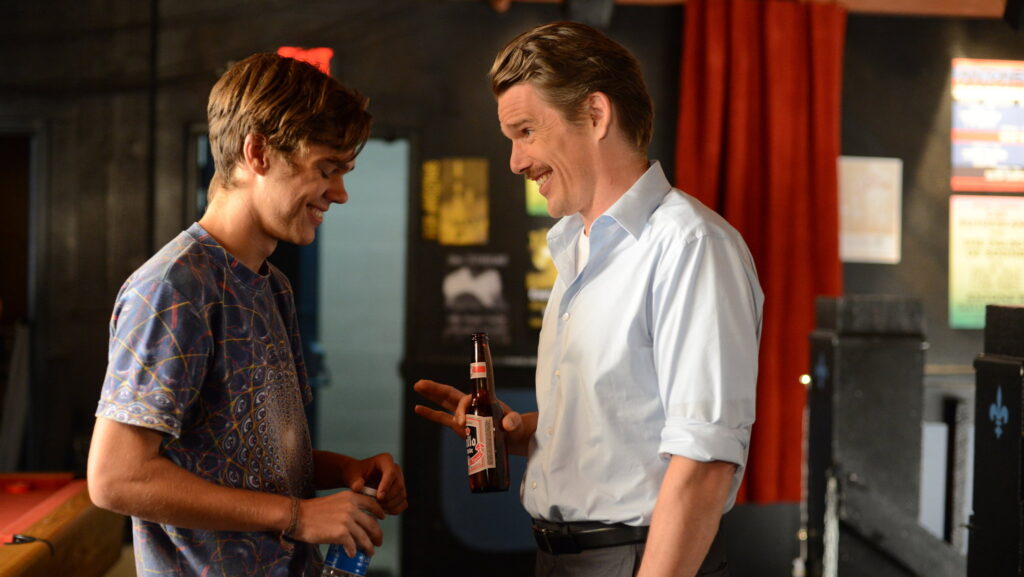
Mason Sr. has an arc, too, although it doesn’t contain as many twists and turns. When the film starts, Mason Sr. is one step above a deadbeat dad. He sees his kids every other weekend. Despite being a parent, he’s still immature. He wants to be the fun dad, forcing Olivia to be the disciplinarian, something she resents. He also dreams of becoming a musician and is in a band with his roommate. As the film progresses, he abandons his ambition to become a musician and studies to become an actuary. When Mason Jr. turns fifteen, and we’re reintroduced to Mason Sr., he’s almost a completely different guy. He’s no longer the scrawny guy with a goatee in his early thirties. He’s a little heavier with a mustache, but most notably, a new wife and kid. He’s married to a young, religious woman with strong family values, and is closer to her parents than he was to Olivia’s. He’s embraced the insurance business and traded his slick car for a minivan. As he tells Mason, he’s everything Olivia wanted him to be fifteen years earlier. Despite having a new kid, he’s still immensely proud of Mason and Samantha, often encouraging Mason’s photography. Hawke portrays Mason Sr. as a flawed, but loving father who will do anything for his kids. I would have been happy if Hawke won Best Supporting Actor, but there was no stopping the juggernaut that was J.K. Simmons in Whiplash.
I would have been sixteen years old the first time I saw this film. At sixteen, I hadn’t lived much of a life. At twenty-seven, I’ve got more mileage on me than I did a decade ago, but I recognize that I have much more to experience. I was still shocked, though, at how much more the film spoke to me now than when I first saw it. Perhaps the most famous line in the movie is delivered by Ethan Hawke in a bowling alley. Mason Jr. bowls two gutters in a row. He quips, “I wish we could use bumpers.” Hawke, without missing a beat, tells his son, “You don’t want bumpers. Life doesn’t give you bumpers.” It’s a simple but powerful line. I had no idea how accurate that would turn out to be. As Mason gets older, he experiences a sort of disillusionment with society and questions those norms, like a lot of us do when we’re that age. I still experience that doubt, that insecurity, and disillusionment. When someone in their twenties has one, it’s called a “quarter-life crisis.” Mason voices what all of us have felt at one point or another. I don’t have kids, but I also found myself relating to Olivia and Mason Sr. With Mason Sr., I resonated with his dream to be an artist, but life is forcing him to be practical. Olivia has the determination to do anything for her kids, a determination I like to think I have for my work.
As I wrap up, I want to emphasize how brilliant this film is and how moved I was by it. I’m a pretty open guy, but I’m afraid to admit that I experience emotions. Towards the end of the film, at Mason’s grad party, I started feeling emotional. I nearly broke down in tears during the scene where Mason Sr. and Olivia are alone. They’re alone for the first time in years. They’re the people they should have been for each other years ago. They’ve grown so much and so far, yet they’re bound by these two kids they share. When Mason Sr. thanks Olivia for raising the kids and telling her they turned out great, that’s when the first tear was shed. By the time the film abruptly cuts to black (not my favorite way to end a movie, but whatever), I was weeping openly. I just witnessed a boy turn into a man in real time (condensed into nearly three hours) and saw that all of the main characters shared many similarities. It’s truly a beautiful, one of a kind film that cannot and should not be duplicated. Richard Linklater has made a near-perfect film that I feel will stand the test of time.
