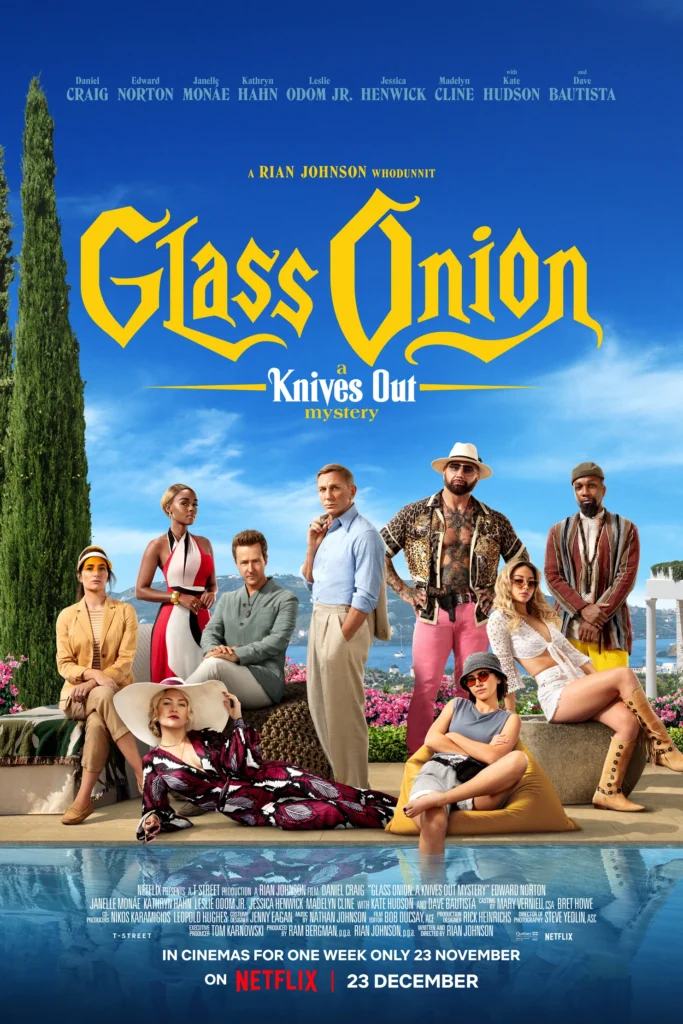
After the critical and commercial success of 2019’s Knives Out, a sequel seemed inevitable. Before the first film was completed, Rian Johnson had been teasing ideas for future cases for Benoit Blanc to solve. In early 2020, Lionsgate officially greenlit a sequel. Here’s where things get interesting. When Johnson negotiated his contract for the first film, he insisted on owning the underlying concept and character rights. It was a bit unusual, but nobody at the studio expected this non-IP-driven film to take off. As a result, in 2021, Johnson began talks to switch distributors. Apple and Amazon both bid to acquire the rights to a sequel, but it was Netflix that ultimately won. They paid $469 million for the rights to make two sequels. The deal ensured the film’s budget of $40 million each, complete creative freedom for Johnson, and 100 million dollar paydays for Johnson, producer Ram Bergman, and Daniel Craig. While Johnson is an advocate of the theatrical experience, he made the deal in 2021, when theaters were still closed due to the COVID-19 pandemic. It was a perfect storm. Netflix wanted to acquire a known franchise, and Johnson wanted a way to get the film to audiences. A losing bidder called the acquisition “an inexplicable, mind-boggling deal.” Before we go any further, I am issuing a formal spoiler alert.
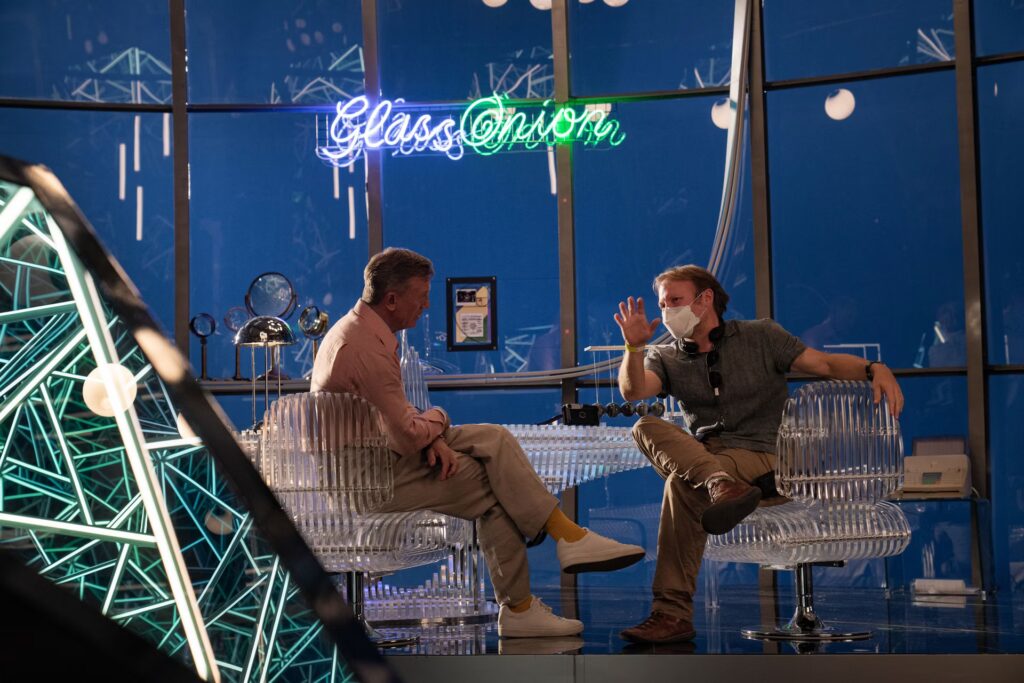
Johnson wrote the screenplay in 2020 during lockdown. He set the film in Greece, reflecting his desire to travel abroad when travel was restricted. As a result, he wrote the script as a “whodunnit vacation” film in the style of his favorite novels, such as Death on the Nile and Evil Under the Sun. Similar to the Hercule Poirot series by Agatha Christie, Johnson wanted the film to follow Blanc as he investigates a new crime with a new set of characters. In coming up with the title, Johnson wanted to come up with something that was hidden in plain sight. He chose the word “glass” because it is clear. He searched his phone for a second word and landed on the song “Glass Onion” by The Beatles. He determined it was the perfect title because glass is clear, but onions have layers upon layers to peel back to get to the core, much like a mystery. The song is even used in the end credits.
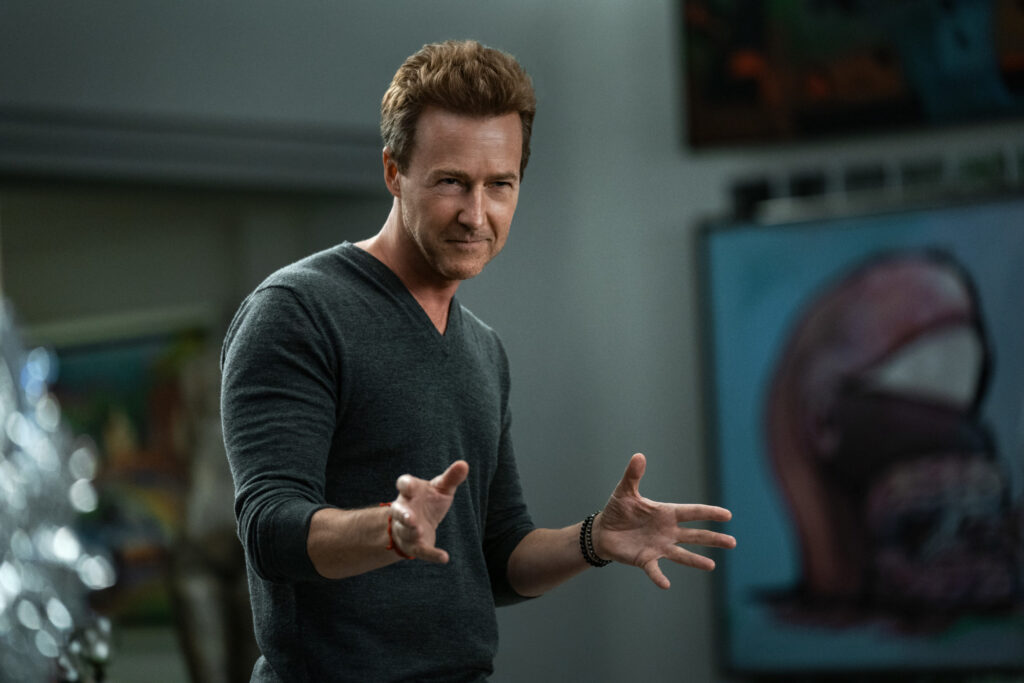
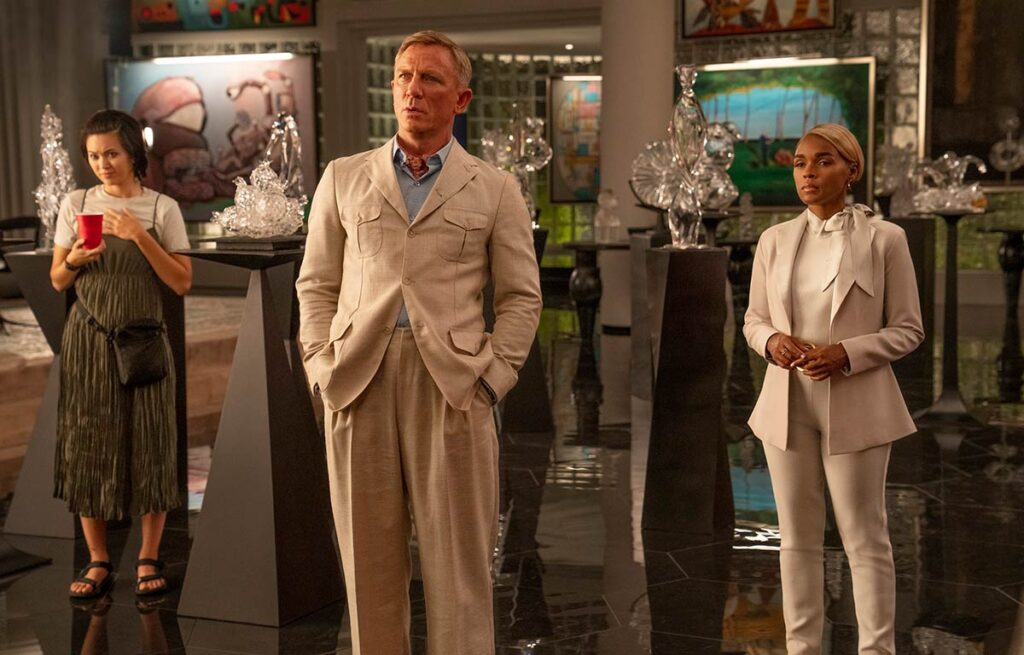
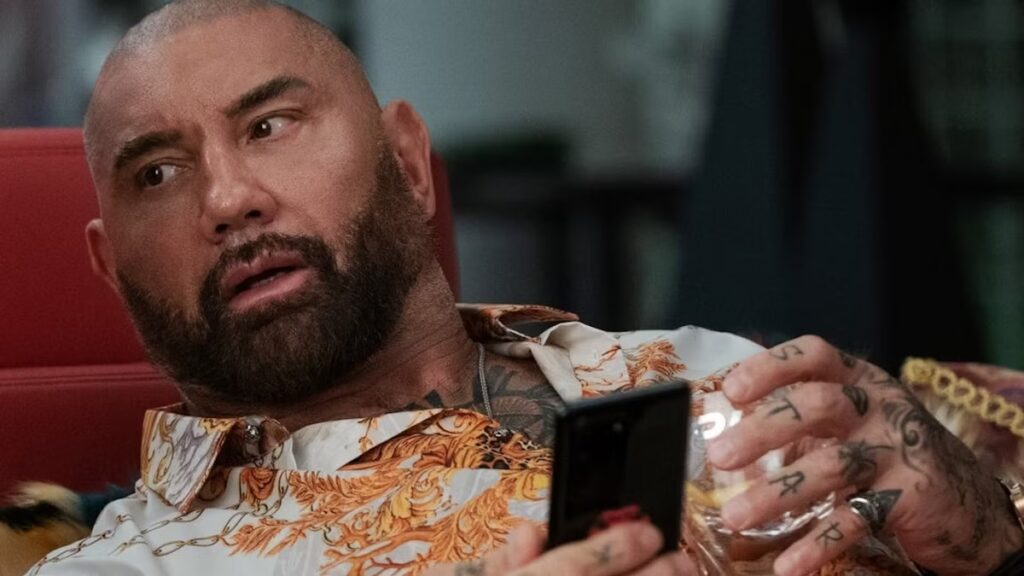
Unlike the previous entry, which featured many supporting cast members, Glass Onion features eight main supporting characters (excluding Blanc), as well as three much smaller credited parts and several cameos. The film follows Blanc as he arrives on the island of tech billionaire Miles Bron (Edward Norton), who has invited his closest friends, whom he lovingly refers to as “The Disruptors,” for a weekend of fun and games. Of course, on the island, things are not what they seem, and this weekend of fun and games turns deadly, forcing Blanc to investigate. Our suspects include: disgruntled Alpha founder, Andi Brand (Janelle Monae), Governor Claire Debella (Kathryn Hahn), head scientist for Alpha, Lionel Touissant (Leslie Odom Jr.), former model and ditzy fashion designer, Birdie Jay (Kate Hudson), Birdie’s loyal assistant, Peg (Jessica Henwick), men’s rights activist and YouTuber, Duke Cody (Dave Bautista), and Duke’s girlfriend, Whiskey (Madelyn Cline).
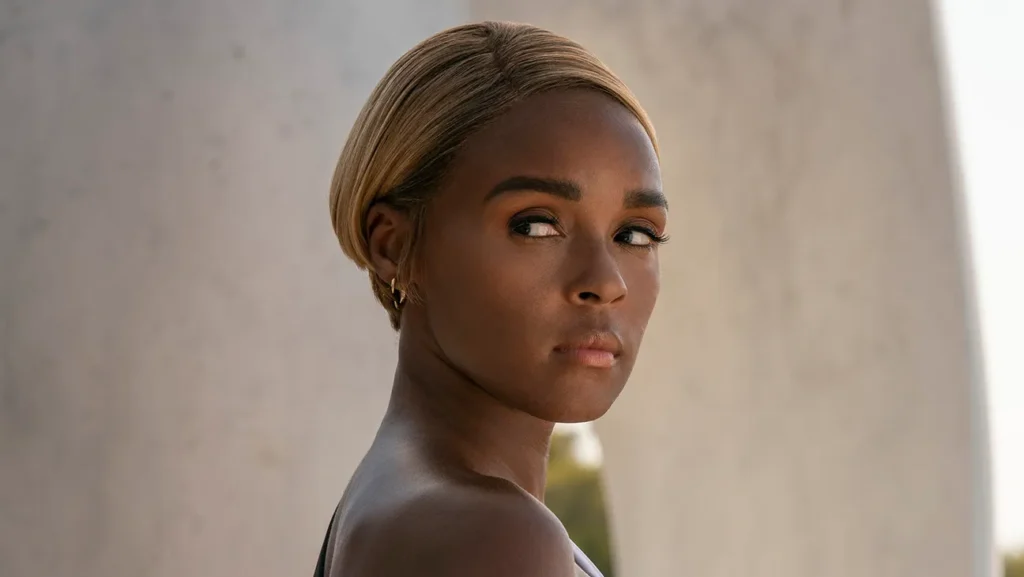
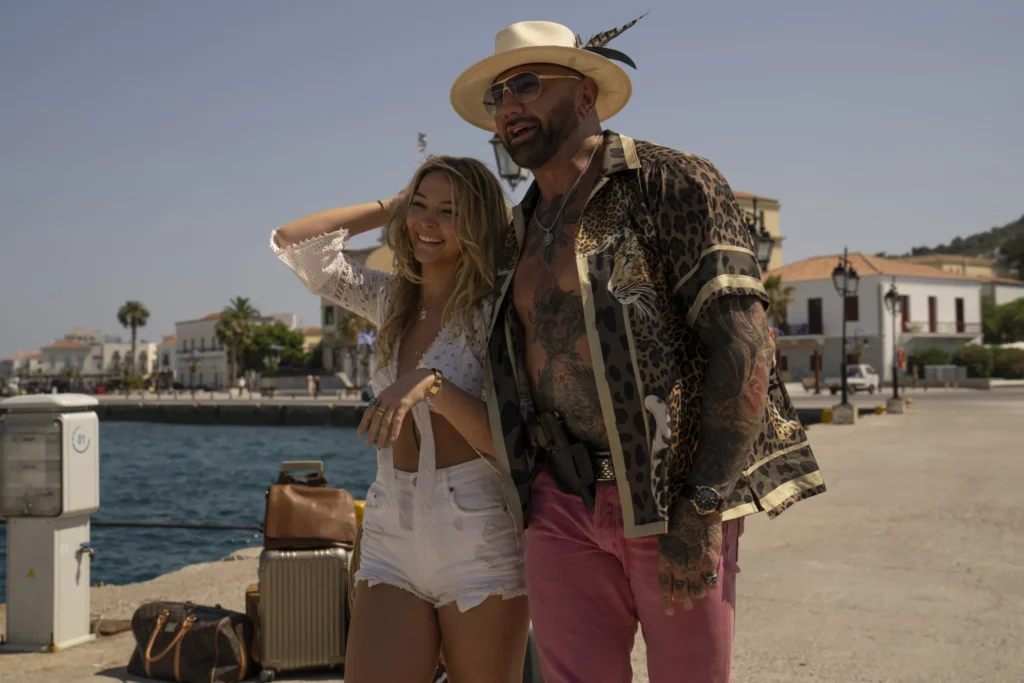
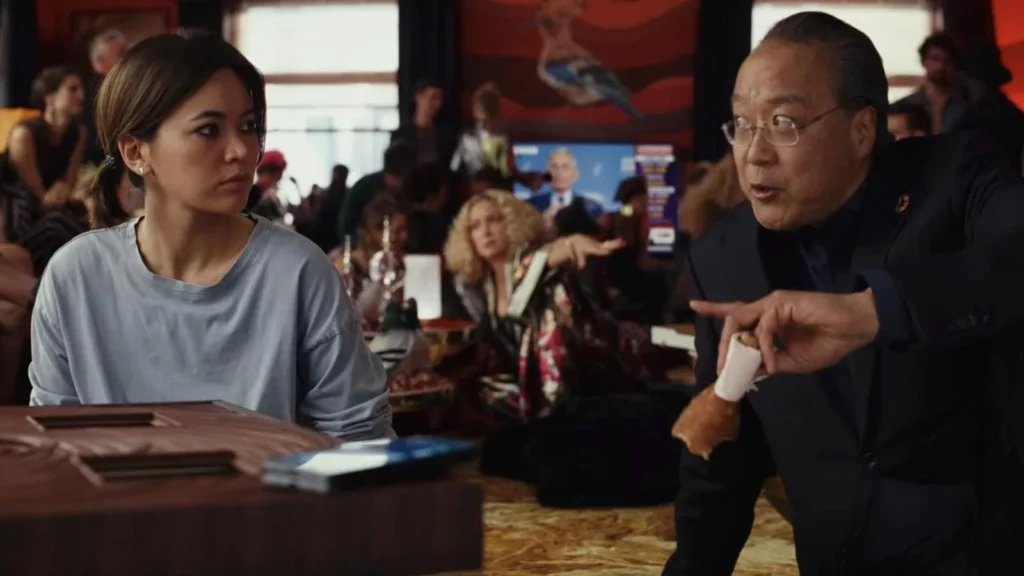
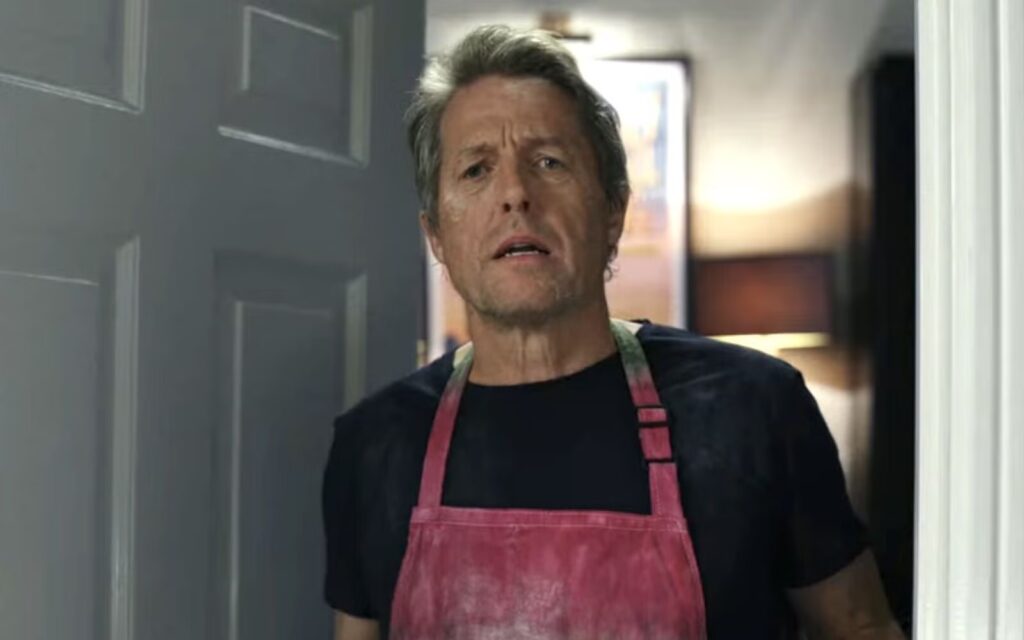
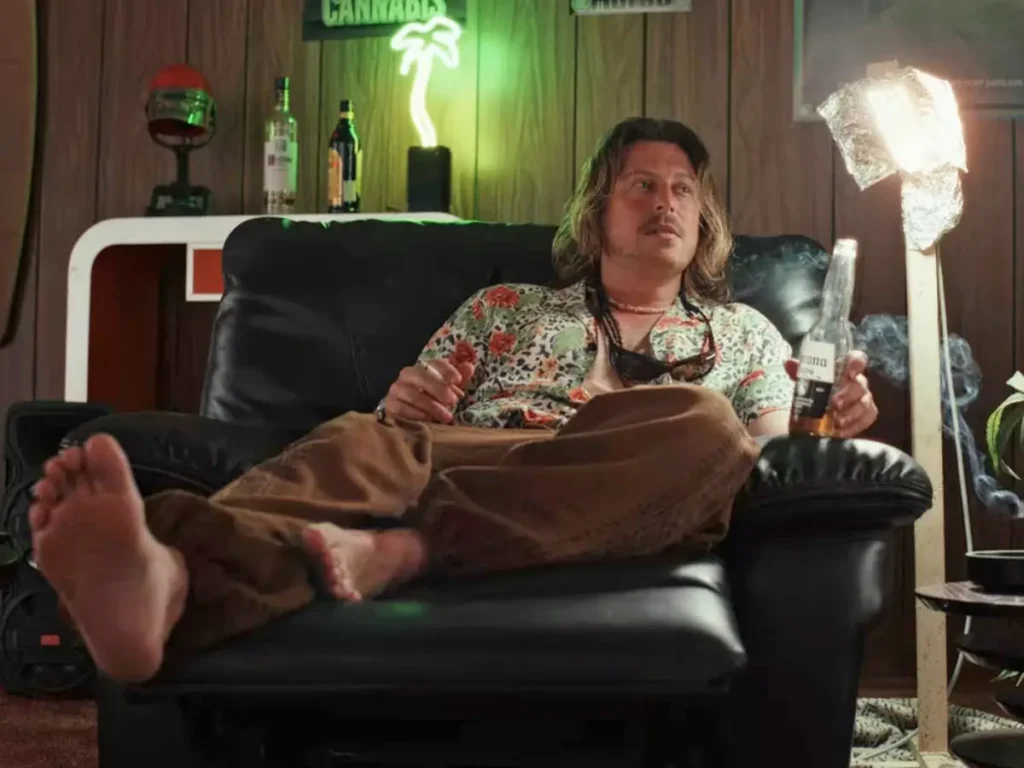
Additionally, Dallas Roberts plays Claire’s husband, Devon, and Jackie Hoffman (best known for Only Murders in the Building) plays Duke’s mother. In a bit of recurring casting, Noah Segan, who played Trooper Wagner in the first film, plays Derol, a beach bum and pal of Miles’ living on the island. I would be remiss if I didn’t mention the many cameos. Some appear in person, and others virtually. When Birdie has the party in her COVID pod, Yo-Yo Ma inexplicably shows up to help identify a melody in Miles’ puzzle box. When they arrive at the dock in Greece to board Miles’ yacht, Ethan Hawke briefly appears as Miles’ assistant, providing an oral disinfectant to the bunch. I remember reading that Hawke had been cast in the sequel and being concerned when I didn’t see his name on any of the promotional material. Being a fan of his, I was a bit disappointed to learn it was just a cameo. On the island, when Blanc and Andi meet in the weight room, Serena Williams appears via video chat on a piece of exercise equipment, asking if they want to work out. Blanc politely declines and returns to reading her book. When we first meet Blanc, lockdown has him in a depressed state. He spends his time playing (and losing) Among Us while Zooming with famous friends, Natasha Lyonne, Kareem Abdul-Jabbar, Steven Sondheim, and Angela Lansbury. Sondheim and Lansbury both passed away before the film’s release, and it is dedicated to their memories. Perhaps the most prominent cameo is by Hugh Grant, playing Blanc’s roommate and presumed boyfriend, Philip.
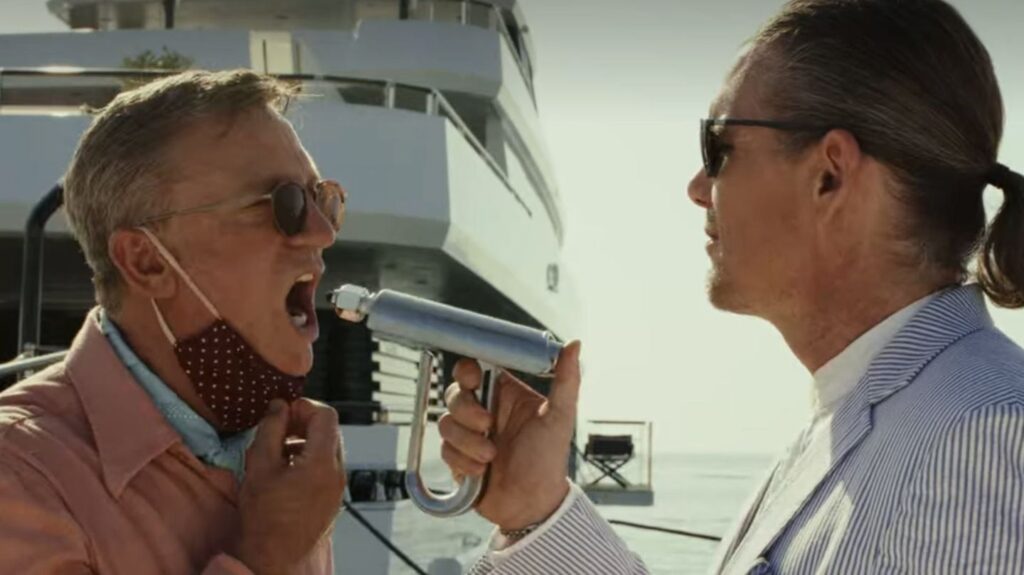
Few sequels match the original. This one comes pretty darn close. I like the original one better, but there is so much to like about the film. For starters, I find it very humorous. There are many jokes, callbacks to the previous movie, and celebrity references that fill the 139-minute runtime. Talking about Easter Eggs, two come to mind. In the first film, Richard quotes the play, Hamilton. In the play, Aaron Burr is played by Leslie Odom Jr., who also plays Lionel in this film. In the weight room, we glimpse that Serena Williams is sitting around reading Gravity’s Rainbow. In the first film, Blanc and Marta discuss the book. Marta tells Blanc that she hasn’t read it. “Nobody has,” he retorts, “but I love the title.” On the island, Blanc supplies his guests with “Rennin’ Hot,” Jeremy Renner’s small-batch hot sauce, and Jared Leto’s hard kombucha. I also find the film unique, as I believe it is one of the first mainstream films to address the pandemic, set in May 2020.
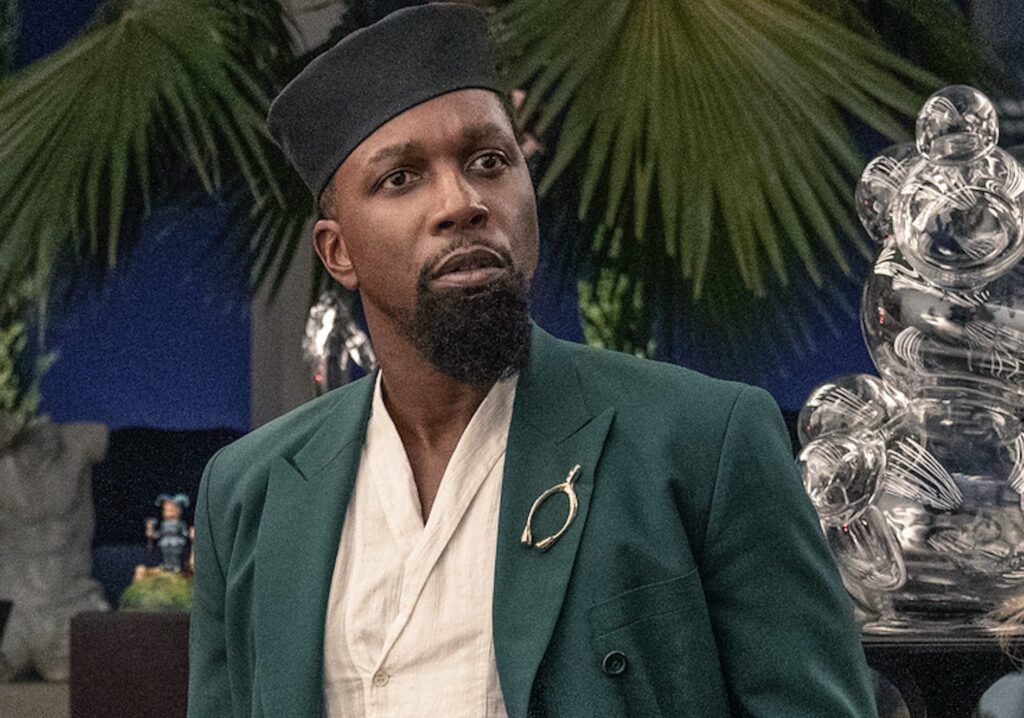
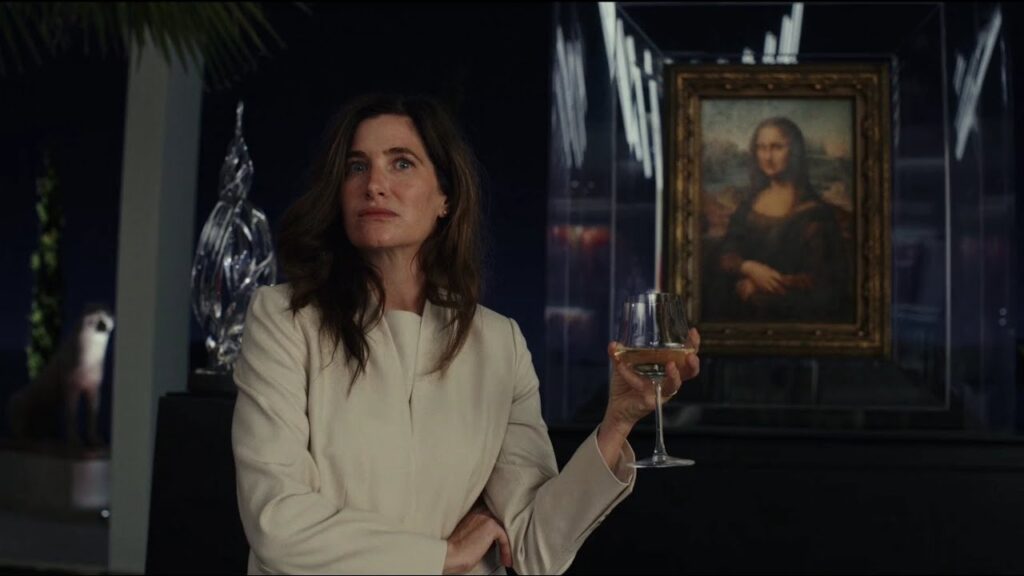
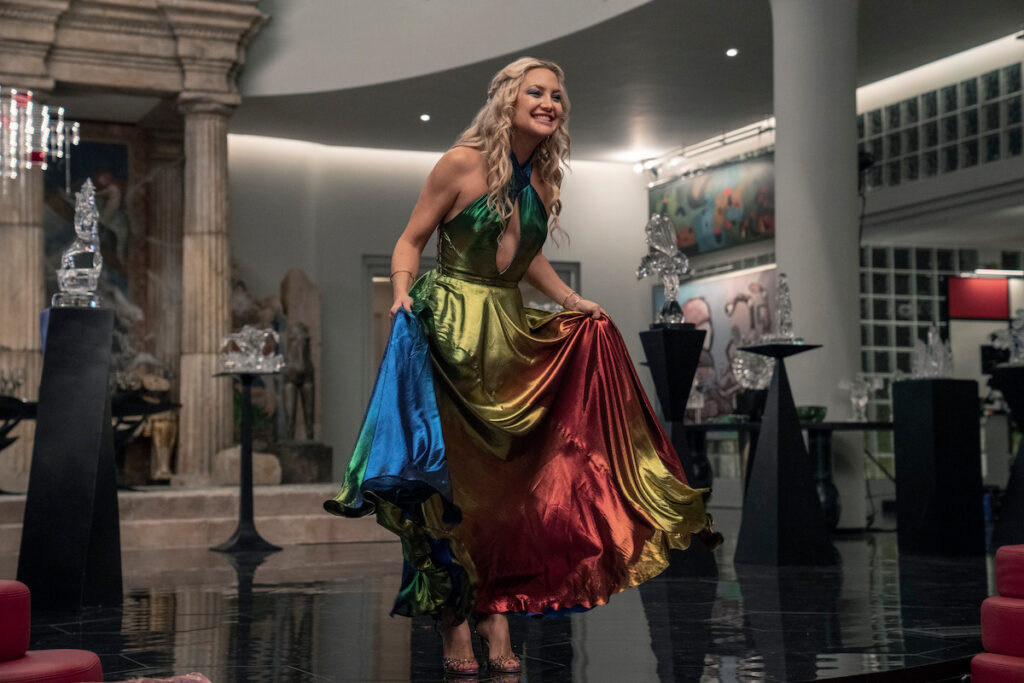
As in the first film, I found myself engaged by all the characters. Since there are only nine prominently billed actors (Blanc included) vs. the first film’s sixteen, Johnson can explore each character and their motivations more in depth. The film introduces us to the characters immediately by showing the arrival of Miles’ puzzle box. Johnson takes his sweet time with the character introductions. We learn that Claire is the governor of Connecticut but is running for a seat in the Senate. Lionel is a genius working at Alpha, whose job is turning Miles’ midnight faxes (yes, faxes) into reality. Birdie is a former model and, quite frankly, not the brightest bulb in the tanning bed. She’s banned by her assistant, Peg, from using her phone, because she’s afraid she’ll tweet an ethnic slur (again). She also admitted to dressing up as a “tribute” to Beyoncé for Halloween, but was swiftly canceled. She often speaks her mind, believing she speaks the truth. Finally, Duke is a men’s rights YouTuber whose first words are, “No, Jimmy Kimmel, I don’t hate breasts.” He then goes on to talk about the “breastification” of America, before Whiskey shows up and apologizes to the feminists, “I love my boobs. Oops.” On a four-way call, the ragtag group of friends work together to get the box open, containing an invitation to Miles’ island. The next shot is to a young woman, presumably Cassandra (Andi) Brand, sitting in a garage staring at the puzzle box. Instead of solving it, she takes a hammer to it and pulls out the invitation. Finally, we are reintroduced to Blanc in the bathtub with his quartet of famous friends. We hear Philip tell Blanc there is a box for him, and the film cuts to the title card – twenty minutes into the movie. As a writer myself, I envy Johnson’s ability to take his time introducing the characters. I guess you get that privilege when your last script grosses over $311 million and is nominated for an Oscar.
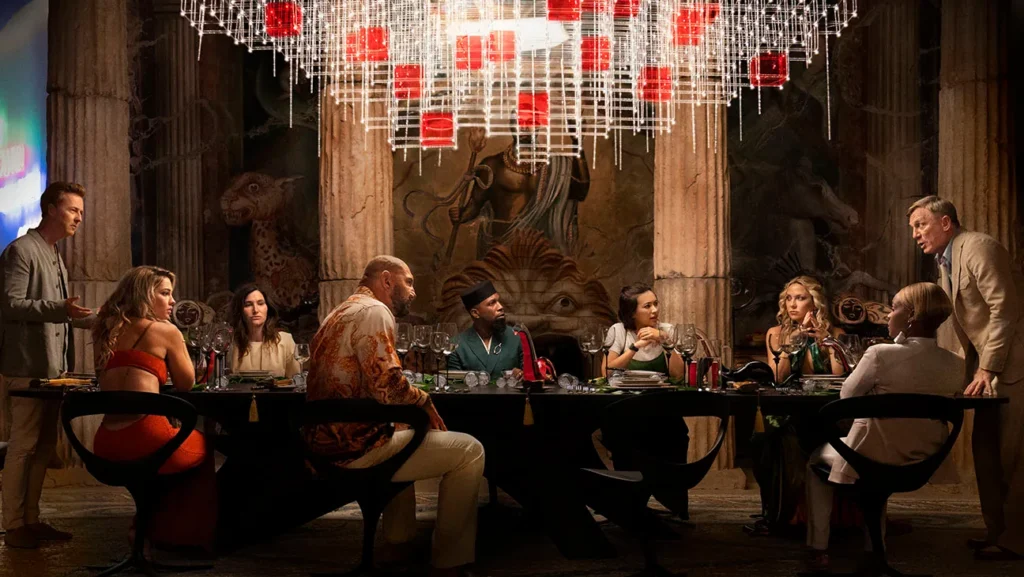
I feel like this is the best place to discuss Johnson’s cinematic technique. Like the first film, Johnson shows a scene from one character’s point of view and later from another character’s. This lets the audience see how two different characters interpret the scene and how various aspects of the mystery unfold. He also presents the same shot, but varies it only slightly in execution to emphasize how we perceive a scene when we, as audience members, are told what happens, versus what we really see. I hope that makes sense. While flashbacks are frequently used in the first installment, they are used sparingly here. Instead, Johnson does something unexpected. At the halfway point, he starts the film over again from the point of view of Helen Brand, Andi’s twin sister—spoiler alert, head. Stop reading if it bothers you. It is revealed that Andi has committed suicide, but Helen doesn’t believe it. She’s cleaning Andi’s house when she gets the box from Miles. She then takes it to Blanc and hires him, believing her sister was murdered. Realizing that Andi’s death has not been made public, Blanc convinces Helen to go with him to the island, pretending to be Andi. From then on, the next 45 minutes or so are about Blanc and Helen trying to figure out who could have had a motive to kill Andi, before resuming in “real time” to the events of the film.
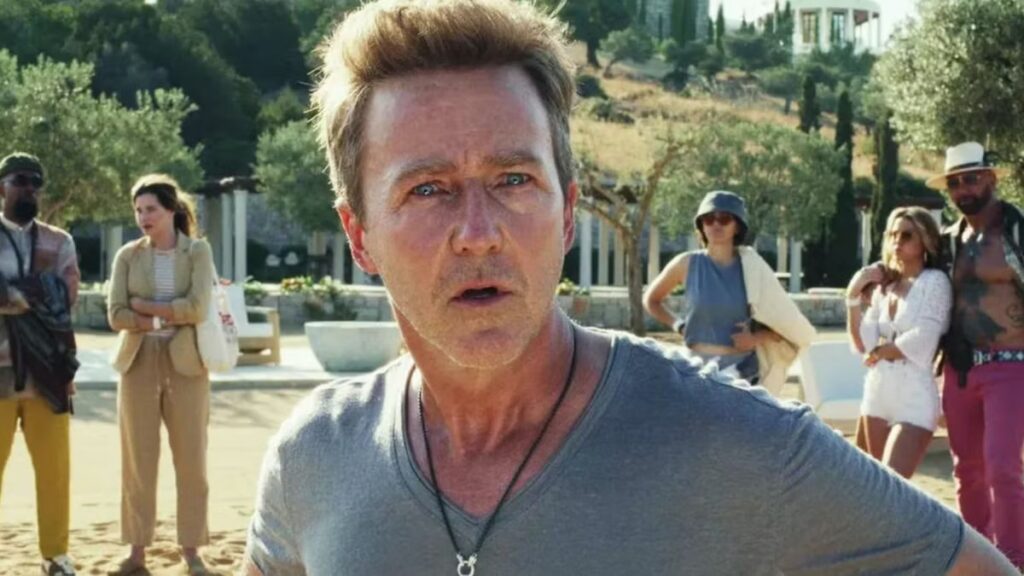
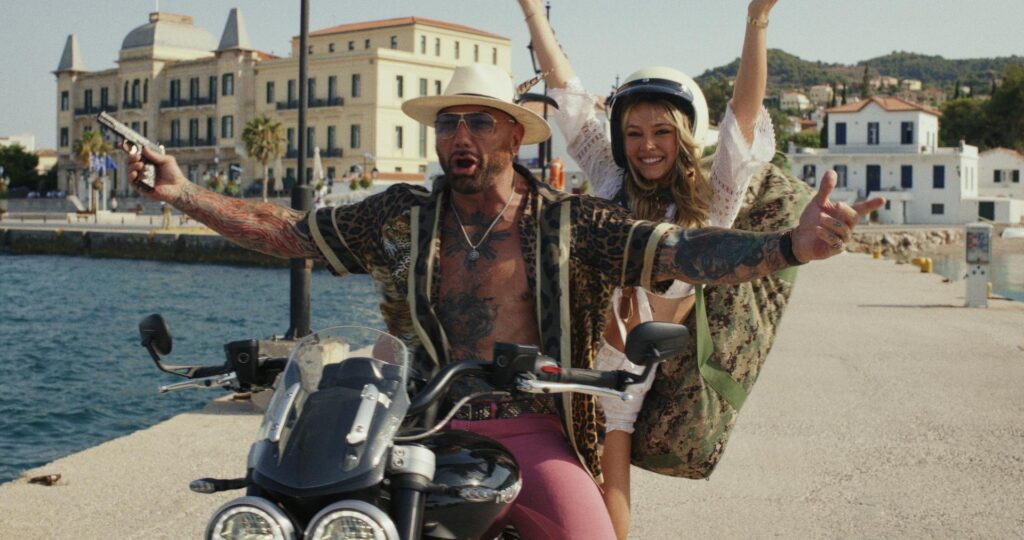
Again, I’ve seen this film a handful of times. I know how it ends and all its twists and turns. However, like the first film, it’s the characters that compel me to watch. They are each so unique and complex, but it is also fun to see them interact. Miles is a free-spirited and savvy businessman, but he’s also quite dumb, using made-up words like “embrethiate” and “conversate.” Birdie is, quite frankly, arrogant and vain. Peg uses Birdie’s status to try to jump-start her own career. Lionel is brilliant, but working for Miles feels like a compromise. Claire is a frazzled mother engulfed in the world of politics. Duke is also arrogant and ignorant. He’s a male rights activist who was banned from Twitch for, as someone put it, “hocking rhino horn boner pills. Whiskey does love Duke, but she tells Helen that she puts up with the misogyny because she is building her brand, and he has been putting her on his channel more often. I think the scene that best illustrates how different the characters are is when they arrive on the dock in Greece. We all know that masks could be divisive during COVID times. Blanc is wearing a cloth mask. Claire also wears a cloth mask, but her nose is visible. Lionel wears an N95, Peg a hospital mask, and Birdie a stylish, mesh mask with holes. Then Duke and Whiskey ride into the scene, maskless. I think that says a lot about their personalities.
We learn through a flashback that they’ve been best friends for about ten years. Andi was the group’s leader, and their favorite hangout spot was a bar called The Glass Onion. Back then, Lionel was a substitute teacher, Birdie’s career wasn’t yet in the toilet, and Duke was a video game YouTuber. Andi introduced Miles and vouched for him. Fun fact: for some reason, Miles is dressed like Tom Cruise from Magnolia, despite the flashback taking place in 2010, a full decade after the film’s release. It’s here that history is made. At the bar, Andi lays out her algorithm for Alpha on a cocktail napkin.
Miles may not have had the brain, but he had the charisma that Andi needed to be the face of a company, and the two went into business together. Ten years in, the company is at the Amazon or Google level (ten years seems too fast for that in my opinion). In those ten years, Miles has changed from the insecure individual that Birdie had in the palm of her hand to the ruthless tech bro. Things go south with the partners when Miles sponsors the creation of Klear, a new hydrogen fuel source he believes will be the way of the future. Deeming it unsafe, she walks, and Miles takes her to court as Lionel tells Blanc that he “Social Networked” her. Andi’s case is built on intellectual ownership of the underlying idea. Without the napkin, she has nothing. It’s only after the trial that Miles miraculously finds the cocktail napkin, this time in his handwriting. This leaves Andi bitter and broken. After destroying her apartment in a rage, Andi sees the original napkin and threatens the disruptors via email to expose the truth. Not too long after, Helen finds her dead of an apparent suicide.

When it comes to Miles, he has the motive to kill. If she goes public, he’s ruined. But all the disruptors have motives too. They sold their soul to Miles or, as Helen so eloquently puts it, “They’re sucking on Miles Brons’ golden titties.” If he goes down, they do too. Lionel was pressured into boarding Klear on a manned flight, despite his reservations. Claire, in exchange for Miles backing the campaign, approved plans for a power plant to help manufacture Klear. Miles got Duke on YouTube and boosted his platform after his Twitch ban, and Miles invested in Birdie’s start-up company, Sweety Pants. The only problem is that it was revealed that the pants are being made in a notorious sweatshop in Bangladesh. If Birdie takes responsibility to save Miles, he will pay her the value of her shares. They each rely on Miles so intensely that they commit perjury during Andi’s trial and fabricate the story of Miles’s founding of Alpha. That’s what makes these characters different from the Thrombeys. The Thrombeys are a bunch of rich, entitled assholes. The disruptors are criminals (because of the perjury) and morally questionable, yet they are still fun to watch. Yet, despite their perjury, the desire to cover their ass will become Miles’ undoing. In the end, after the truth has come out, Miles’ house has burned down (Klear powered it), and with it, the Mona Lisa (it was on loan). The disruptors turn against Miles. This time, their desire to protect themselves actually coincides with the truth.
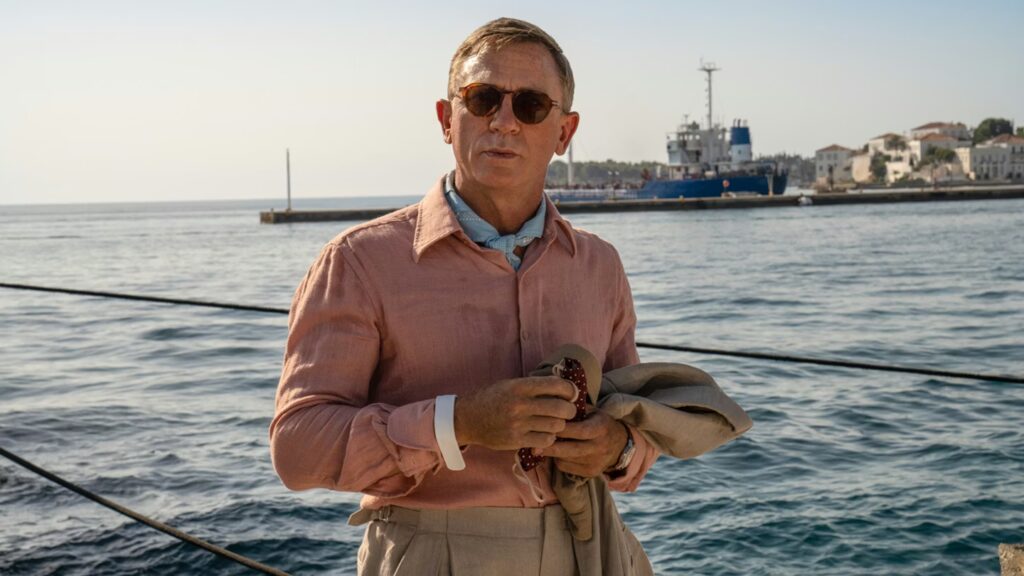
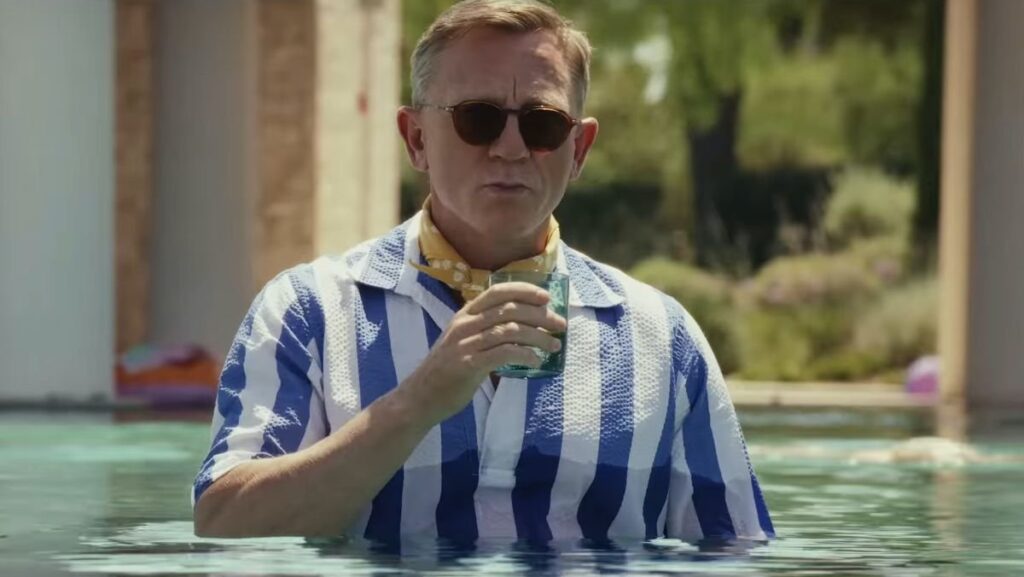
Overall, the film is a fun time, filled with iconic scenes and humorous moments, as well as some humbling truths. Perhaps the funniest scene is when Duke, who never goes anywhere without his gun, pulls it from his Speedo, fires it, and jumps into the pool. The scene where Blanc single-handedly ruins Miles’ murder mystery party was also quite funny, considering he got Gillian Flynn to write the scenario. I’ve never seen a scene involving hot sauce so suspenseful, yet the moment we see a drop of hot sauce veer towards Helen’s nostril, we can’t help but cringe. Among the humor, Blanc does lay out some wisdom. While lounging by the pool, he tells Birdie, “It’s a dangerous thing to mistake speaking without thought for speaking the truth.” There’s also the great throwback line. When Miles is first introduced to the gang, he tells them that he wants to be remembered in the same breadth as the Mona Lisa. After the painting goes up in flames, Helen quips, “You got your wish. You’ll forever be remembered in the same breadth as the Mona Lisa.” It’s the ultimate f-you to Miles Bron.
Netflix had so much confidence in the film that they released it in theaters for one week only on November 23, 2022 (part of this was to qualify for major awards). It was eventually revealed that the film grossed over $13 million in five days, a record for a Netflix film. Although Rian Johnson was happy the film got a theatrical release, he was disappointed it wasn’t longer. It certainly could have made more money. Johnson would get his wish when the next installment would get an exclusive two-week theatrical run. The film was released exactly one month later on Netflix. Johnson also expressed dissatisfaction with having to add the “Knives Out” subtitle to promotional materials, as he believes each film stands on its own. However, the official titles of both this film and the sequel do not have subtitles. Being a proponent of physical media, he also wished for a Blu-ray version of the film, although it is unlikely. As a fan of the film, I would love to have a physical copy. The only time Netflix released any films on physical media was a select few films through the Criterion Collection (The Irishman, Marriage Story, The Power of the Dog). The film was nominated for Best Adapted Screenplay at the 95th Academy Awards (all sequels are ruled adaptations), but it lost to Women Talking.
I find it funny that I unknowingly had COVID while watching it in the theater, since the film takes place during the height of the pandemic. My family saw it on Black Friday, and that Thanksgiving was an unintentional superspreader, but we won’t get into that. Luckily, it was a couple of years out, so we didn’t get hit quite as hard. Anyway… I do think it’s appropriate that the film’s setting was a remote, tropical island. It was the vacation we all fantasized about taking during lockdown. In a way, this film was many people’s escape, mine included. That’s all for now on Glass Onion. Up next is my post on the more recent, much darker Wake Up Dead Man.