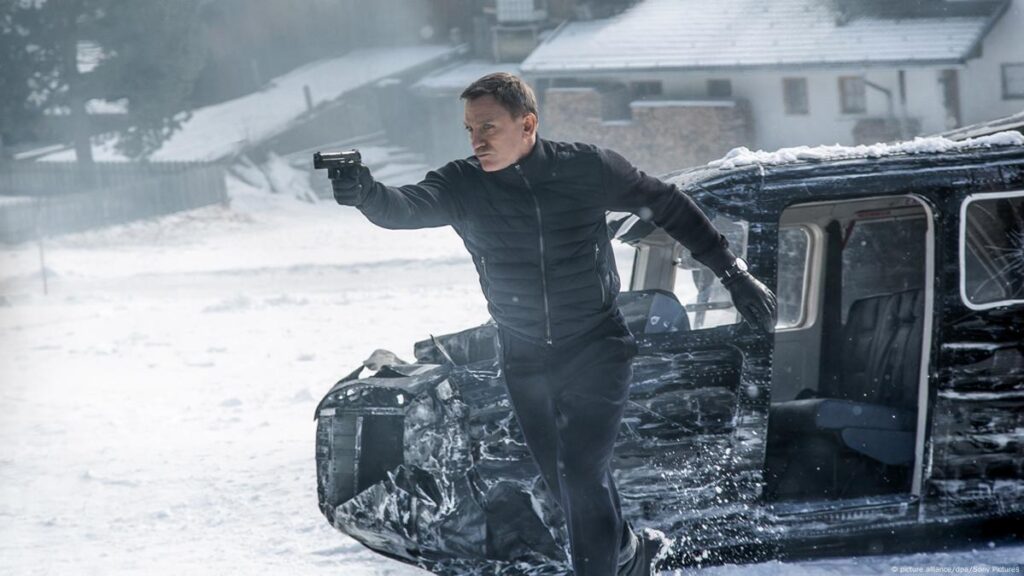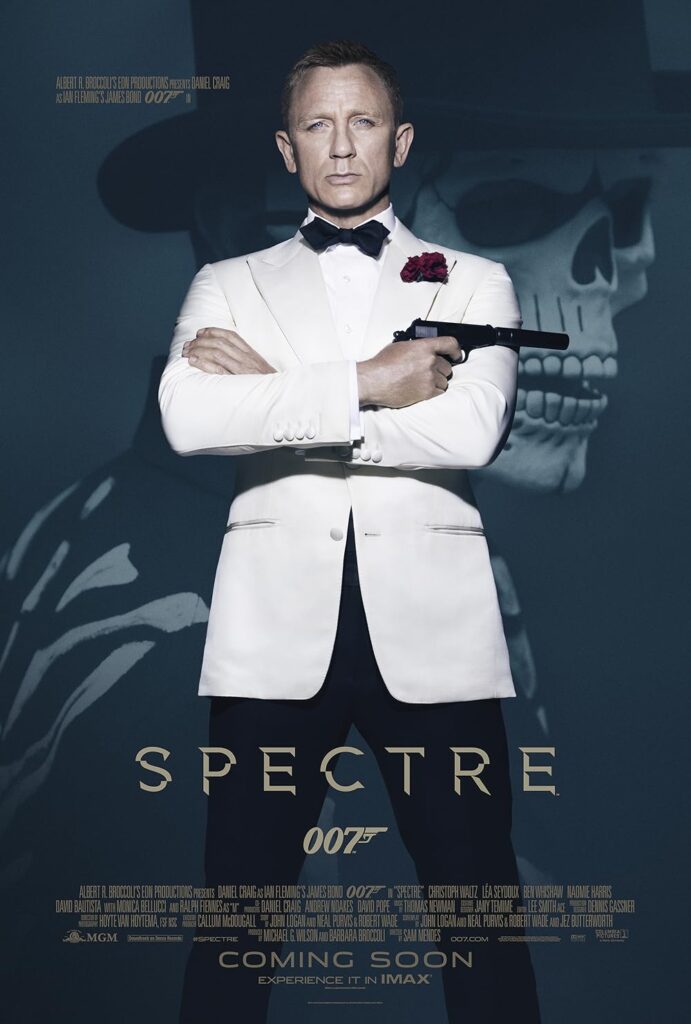
After the massive success that was Skyfall, Sam Mendes initially declined to return to direct what was then known as Bond 24, but later reversed his position and signed on. Mendes’ return made him the first director to helm two consecutive Bond films since John Glen directed five successive films in the 1980s. Replacing Roger Deakins as cinematographer was Hoyte van Hoytema, a frequent collaborator of Christopher Nolan (and future Oscar winner for Oppenheimer). Thomas Newman returned to provide the film’s score. The band Radiohead submitted an unreleased song written in the 1990s titled “Man of War” to be used as the film’s theme song, but it was rejected because it wouldn’t qualify for the Academy Award for Best Original Song. They later wrote and performed another single titled “Spectre,” but it was rejected for being too melancholy. The job of writing the film’s theme fell to Sam Smith and Jimmy Napes, who wrote “Writing’s on the Wall,” performed by Smith. Additionally, Daniel Craig received a co-producer credit on this film, making him the only Bond actor to do so.
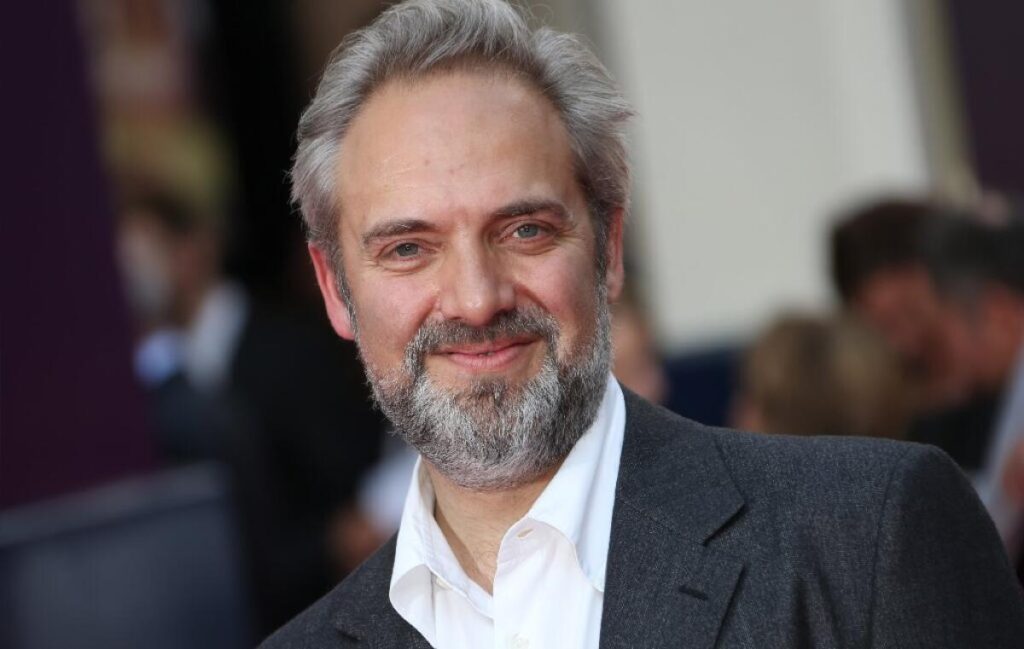
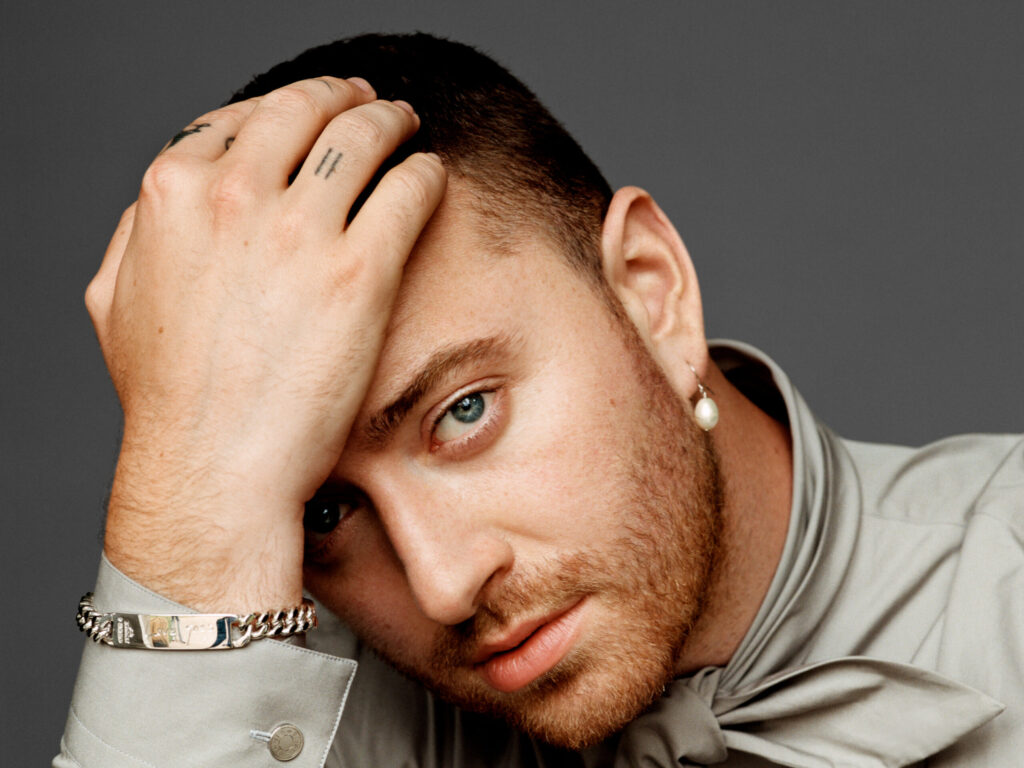
Before we can go any further, we need to jump back in time a bit and talk about EON Productions’ main foe, Kevin McClory. In 1961, a year before the release of Dr. No, Ian Fleming published the eighth book in the Bond series, Thunderball. Unbeknownst to Fleming, this publication would set off a decades-long litigation. The origin of the project started back in 1958. Long before the sale of the series to EON (but after the sale of Casino Royale), Fleming had the idea of bringing Bond to the screen himself. Fleming recruited his friend Ivar Bryce to try to join him. Bryce brought on filmmaker/writer Kevin McClory, who had just directed the British film The Boy and the Bridge, which was co-produced by Bryce. Ernest Cuneo joined the writing team shortly after McClory. The Boy and the Bridge did poorly at the box office, leading Fleming and Bryce to doubt McClory’s capabilities. Fleming gradually spent less time on the film project, so McClory brought on seasoned screenwriter Jack Whittingham to the team.
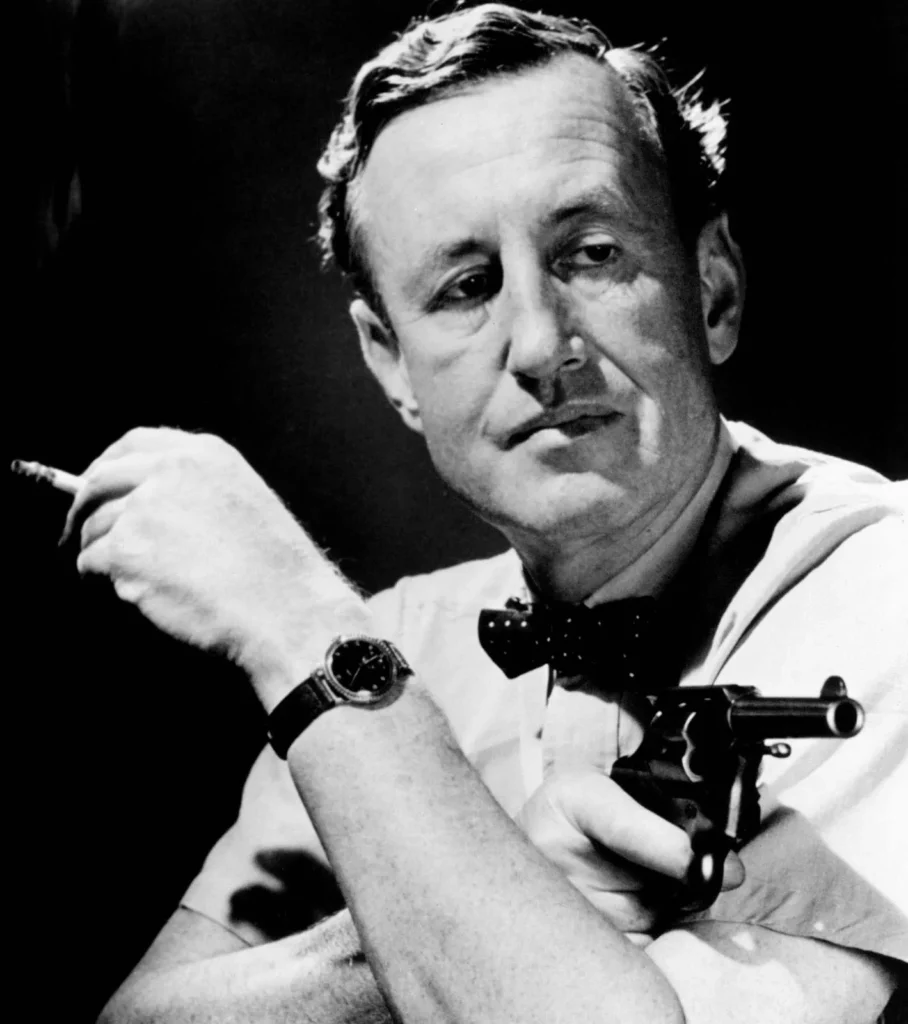
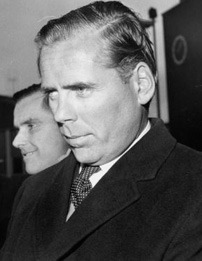
In November 1959, Fleming left to travel the world on behalf of The Sunday Times to gather material for his 1963 book Thrilling Cities. On his trip, Fleming met with Bryce and McClory in New York, who informed him that an outline was ready to shoot. Back in Britain in December 1959, the trio had a story conference to go over the outline, which Fleming was happy with. The only change he made was renaming the title from Longitude 78 West to Thunderball. McClory visited Fleming in January 1960 at his GoldenEye estate in Jamaica, where Fleming told McClory he intended to deliver it to MCA and propose that McClory and Bryce produce the film. I recognize I should be unbiased when delivering the facts, as there’s plenty of room for opinions later. However, I have to be a bit unprofessional for a second. The next thing Fleming did was wrong on many levels. Struggling to write his next Bond novel, instead of going to MCA like he told McClory, he took the outline and adapted it into the plot of the novel Thunderball. Not cool.

McClory read an advance copy in early 1961 and was understandably angry. He pursued an injunction to stop the release, but the motion was denied since the book was just days away from publication and many retailers already had copies — though the court left the door open for McClory to pursue other legal options later. McClory sued Fleming and finally went to court in November 1963. Fleming had been in poor health (rumored to drink two bottles of gin and smoke 70 cigarettes a day) and suffered two heart attacks during the trial. On Bryce’s advice, Fleming settled out of court. McClory was awarded the film rights to the book, while Fleming retained literary rights, though he had to acknowledge the contributions of McClory and Whittingham. Subsequent publications of the novel credited all three men. Nine months after the trial ended, Fleming died of a heart attack in August 1964.
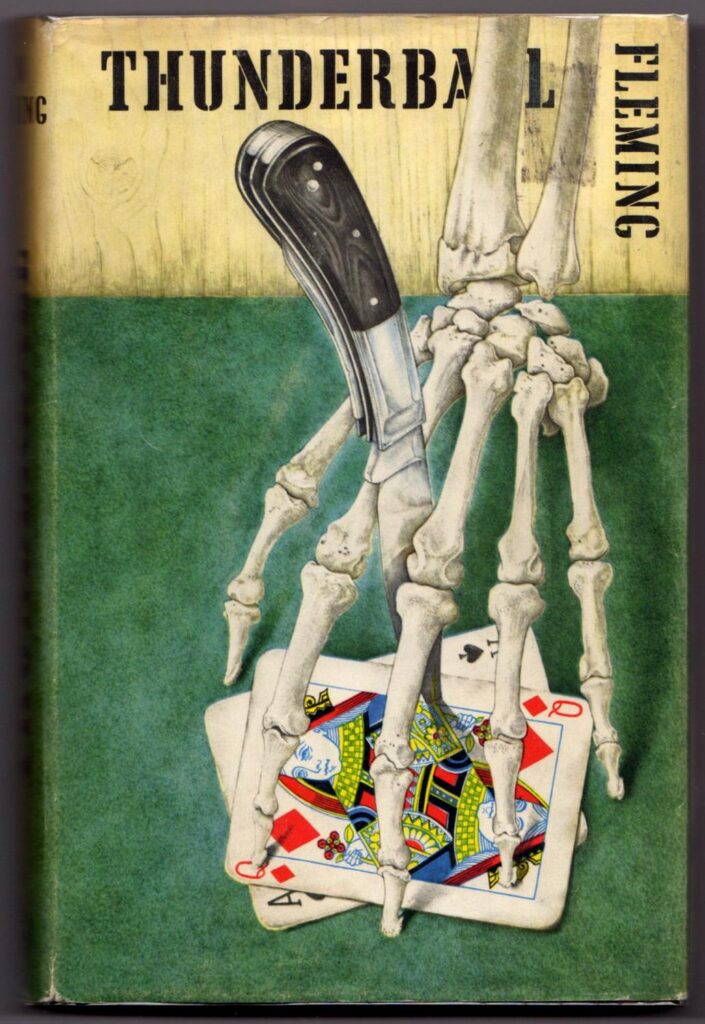
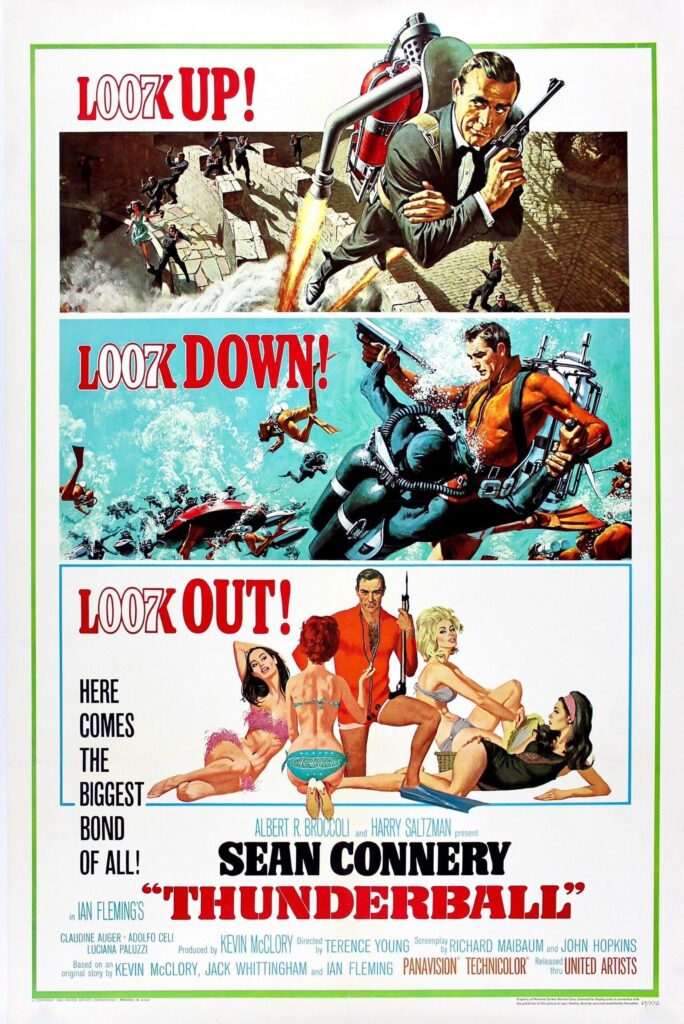
This lawsuit and McClory’s retention of the film rights complicated things significantly for EON Productions. The character of Blofeld and the criminal organization SPECTRE were introduced in the novel Thunderball. SPECTRE had already played a prominent role in Dr. No, which was released before the court decision. In future follow-ups, SPECTRE was changed to SMERSH, and the character most likely meant to be Blofeld was never explicitly identified as such. A high court later confirmed McClory had sole rights to these elements. Another complication occurred when EON wanted to adapt Thunderball. Knowing they’d have to cooperate with McClory, Thunderball became the only film in the series where Broccoli and Saltzman were credited as executive producers rather than full producers — McClory alone received full producer credit. Part of the deal with EON stipulated that McClory couldn’t make another version of the film for 10 years.
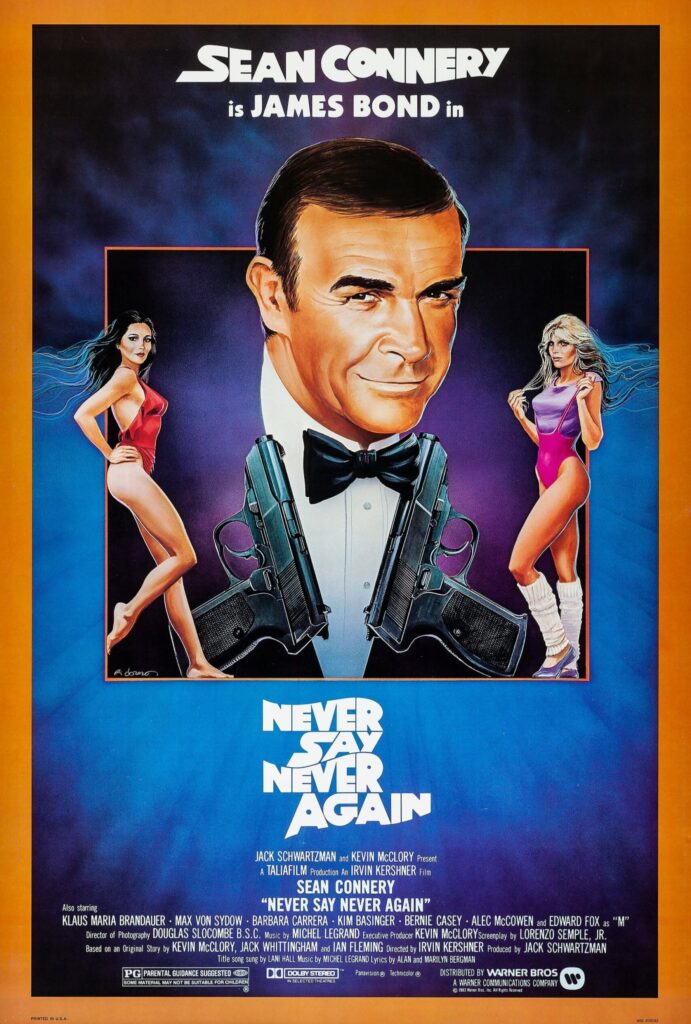
With that restriction up, McClory considered remaking the film in the late 1970s. This resulted in the loose remake Never Say Never Again, starring Sean Connery returning as Bond. Despite mixed-to-positive reviews, it grossed less than the EON production Octopussy, released four months earlier. McClory intended this to be the first film in a franchise, with the next titled S.P.E.C.T.R.E. When Connery announced he wouldn’t return and producer Jack Schwartzman refused to make another film without a deal from MGM-UA, the plan fell apart. McClory made one last attempt in the 1990s with Timothy Dalton on a project called Warhead 2000 AD, but it was ultimately scrapped. McClory died in 2006, and in 2013, his heirs sold the film rights to Thunderball to EON, allowing Blofeld and SPECTRE to return.
With the rights intact, writing could finally begin. John Logan, Neal Purvis, and Robert Wade returned to write the script. Joining them was Jez Butterworth, who had made uncredited rewrites on Skyfall. Now that the studio owned the rights to SPECTRE, Purvis and Wade announced the film would retcon a bit: the secret organization Quantum, alluded to in Casino Royale and Quantum of Solace, was an offshoot of SPECTRE. The film also linked Skyfall by implying Silva had been a member of SPECTRE, like Le Chiffre and Dominic Greene. I don’t mind that for the first two films, but it irks me a little that Silva was made part of the organization. It’s not a dealbreaker, but I liked him acting on his own accord — driven purely by revenge, not part of a larger conspiracy. I had to mention that. Back to the post. The film was mostly an original story, though it drew on some Fleming elements, especially in the characters of Franz Oberhauser and his father Hannes (a background character in the short story “Octopussy”).
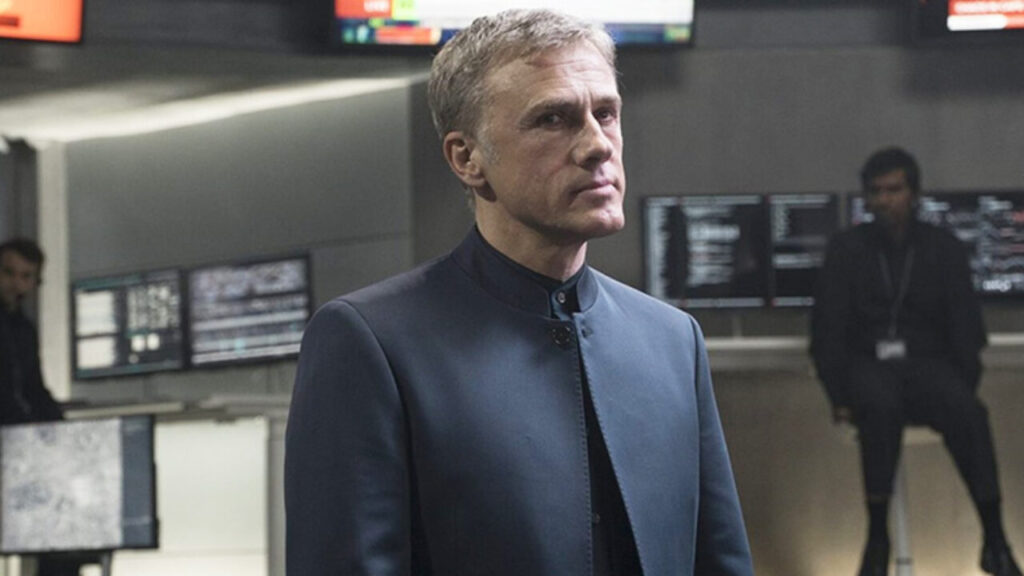
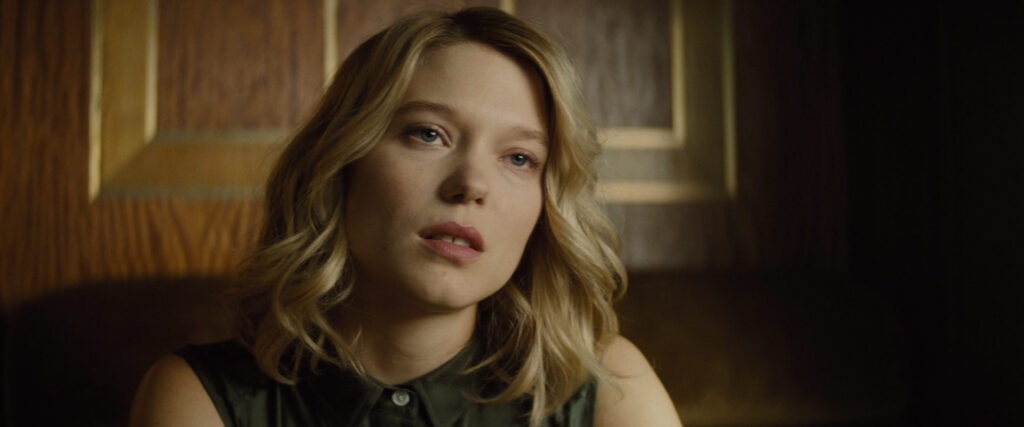
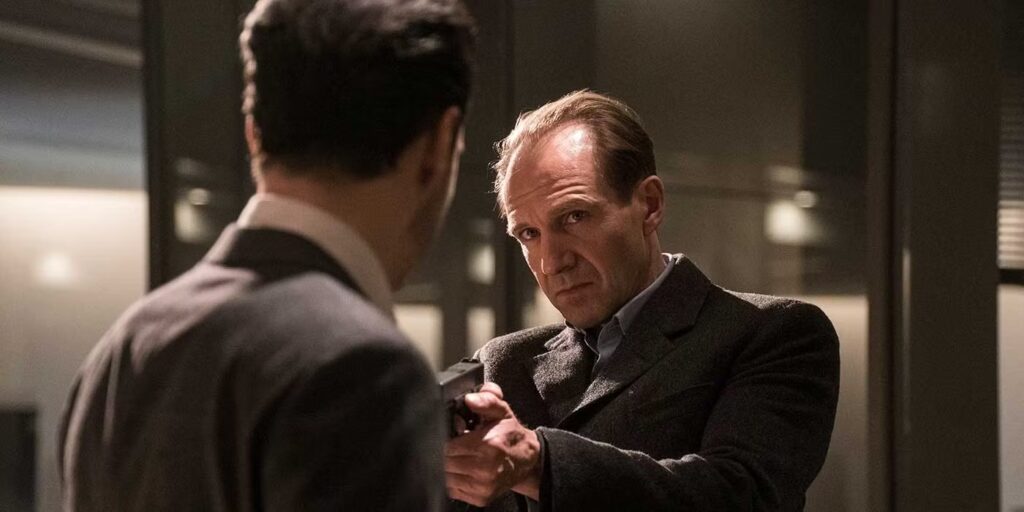
Casting was revealed in December 2014. Alongside Daniel Craig’s return as Bond for the fourth time, Ralph Fiennes, Naomie Harris, and Ben Whishaw were confirmed to return as M, Moneypenny, and Q, respectively. Christoph Waltz was cast as Franz Oberhauser, with many speculating he was actually Blofeld. Waltz denied this throughout production, but nobody was surprised when the film revealed it. Dave Bautista was cast after Mendes and producers sought someone with a quiet yet intimidating presence. After casting a relatively unknown Bérénice Marlohe in Skyfall, Mendes wanted a more experienced actress as Madeleine Swann, settling on Léa Seydoux. Monica Bellucci was cast as Lucia Sciarra, a widow of an Italian terrorist. At 50, Bellucci became the oldest actress cast as a “Bond Girl.” Rounding out the cast were Rory Kinnear as Tanner and Jesper Christensen as Mr. White, last seen in Quantum of Solace.
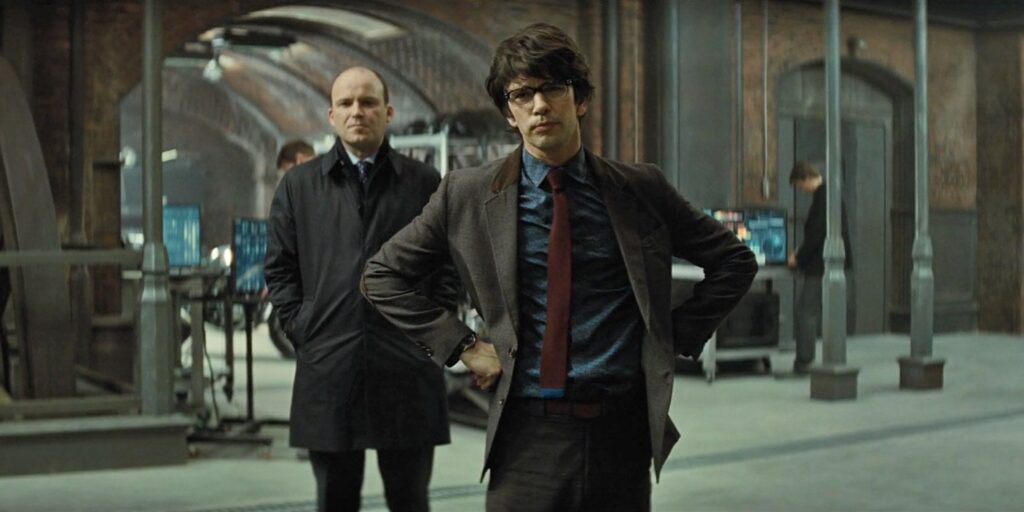
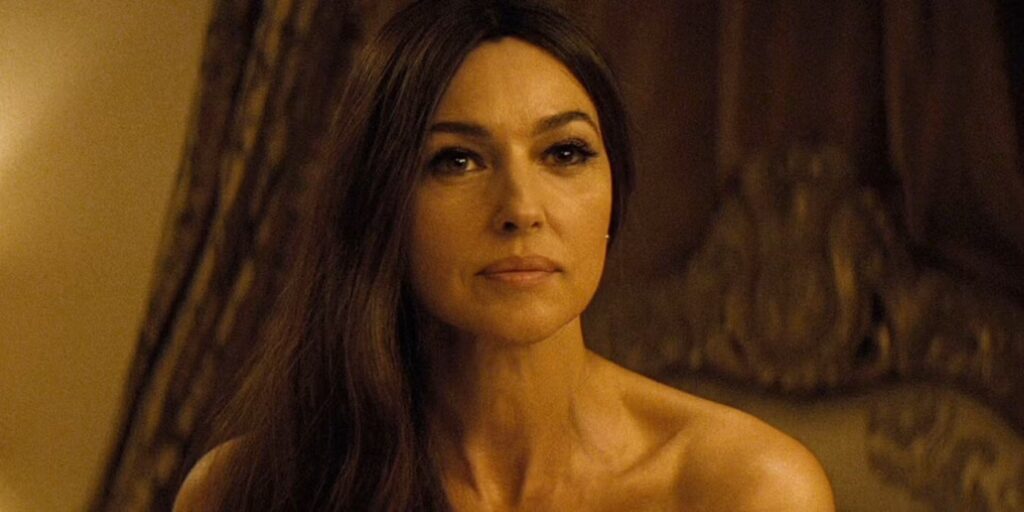
Filming began on December 8, 2014, at Pinewood Studios in London. The crew filmed across the globe, including Austria, Mexico City, and Rome. Principal photography ended on July 5, 2015. While filming reportedly went smoothly, pre-production was another story. In November 2014, a hack of Sony Pictures (the film’s distributor) leaked many emails about the project. Details of an early John Logan draft surfaced, along with confidential emails criticizing the film for going over budget — frustrating the studio. Despite this, the film finished in time for its late October UK release. Spectre marked the second Bond film released in IMAX.
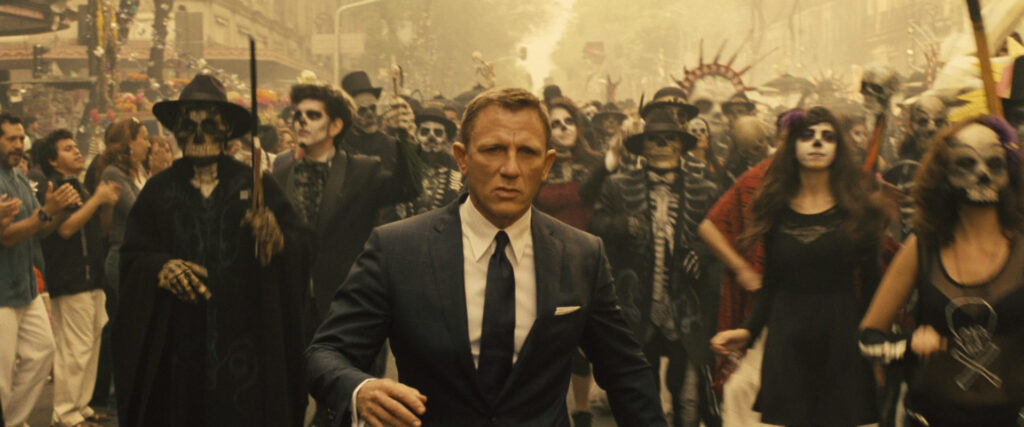
Released in the U.S. on November 6, 2015, the film received mixed reviews. Some praised it for returning Bond to his roots and embracing franchise traditions. Others went as far as calling it “the worst 007 film in 30 years” or headlining reviews with “Bored. James Bored.” The general consensus was that it was a step down from Skyfall. The film holds a 63% Rotten Tomatoes score — similar to Quantum of Solace, often considered Craig’s weakest Bond film. Despite mixed reviews, it was profitable, grossing $880 million on a $245–300 million budget. “Writing’s on the Wall” became the second Bond theme (after “Skyfall”) to win an Oscar. In hindsight, the producers made the right call choosing Smith over Radiohead — at least for the trophy.
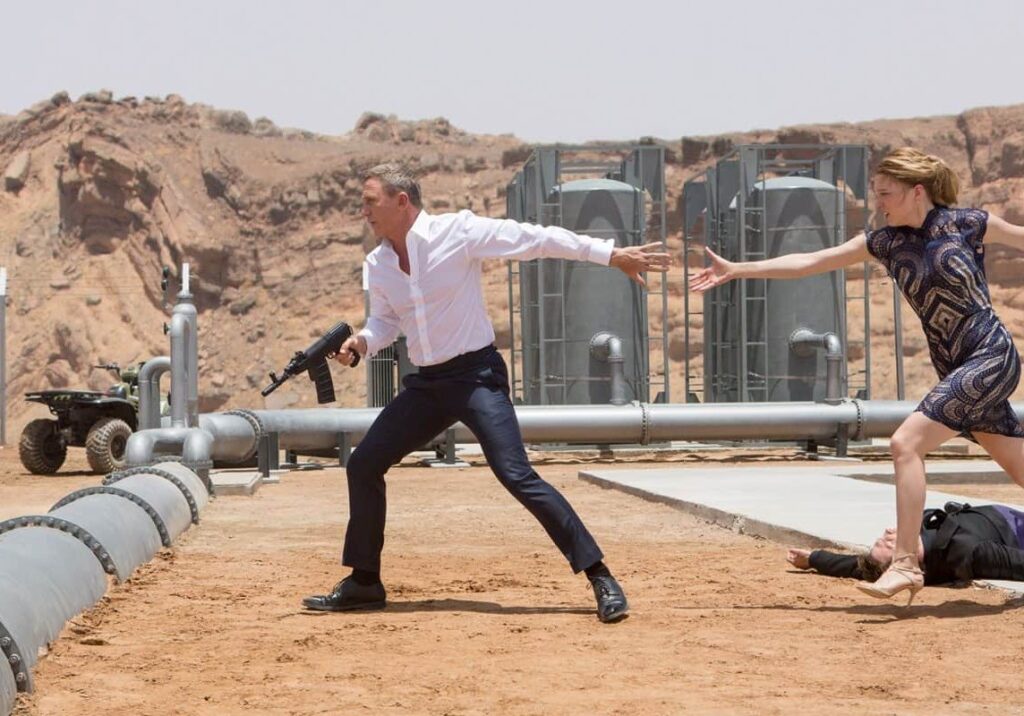
Now for my thoughts. Damn! Skyfall was amazing, and Spectre was a letdown. It’s unfortunate because, aside from Deakins and editor Stuart Baird, most of the crew returned. I just feel like the movie tried to take on too much. It also feels like the producers finally got the rights to Blofeld and SPECTRE and felt obligated to force a script around them. In other words, this entry felt more IP-driven and eager to connect dots to the old franchise than interested in being an exciting action movie.
There are elements I like. I enjoyed the surveillance plotline pitting M against C, whom he may or may not call “a cocky little shit” (I say may or may not because I don’t remember for sure). It’s good to see Moneypenny and Q again, this time in expanded roles helping Bond while he’s off the grid. My favorite addition is Léa Seydoux as Madeleine Swann, Mr. White’s daughter. Bond sets out to protect her from SPECTRE agents, and by the end, they’ve fallen in love. It’s predictable, but Madeleine holds her own. She doesn’t sleep with him until she’s ready and feels safe. She’s strong and beautiful, hates guns, and has morals. She reminds me of Vesper — someone who’s seen death yet retains a kind of innocence. I’m not sure if I like her more or less than Vesper. That question is answered in the next film.
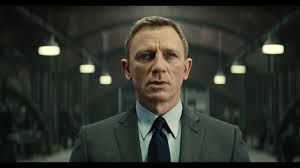
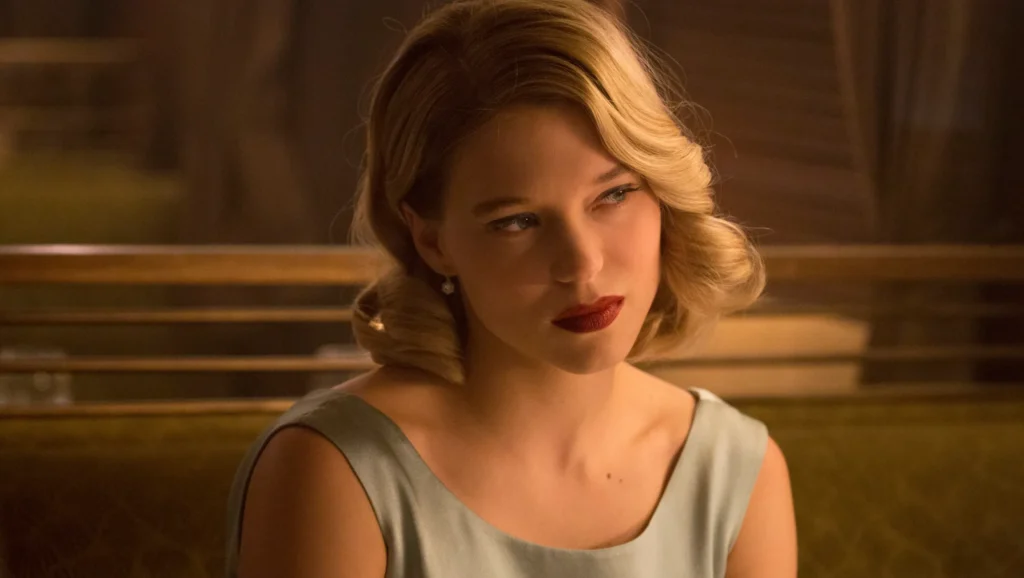
Now, let’s talk about what I didn’t like. Chiefly: the pacing. The film’s only five minutes longer than Skyfall but feels much longer. While Skyfall flew by, this one dragged. And though I could follow the plot better than Quantum of Solace, I still felt lost at times. I hate saying this, but I wasn’t impressed with Christoph Waltz as Blofeld. I think he’s a great actor — he was terrifying in Inglourious Basterds — but it didn’t quite work here. His motives weren’t as compelling as Silva’s in Skyfall. Unlike Bardem’s Silva, who plays the role with flamboyant energy, Waltz’s Blofeld is quiet and menacing. I got the sense that much of his performance was internal — which didn’t translate well to enjoyable action cinema. And though it’s a bit off-topic, I don’t think Sam Smith’s theme reached Adele’s heights despite the Oscar win.
Overall, I just wish they’d made a better movie.