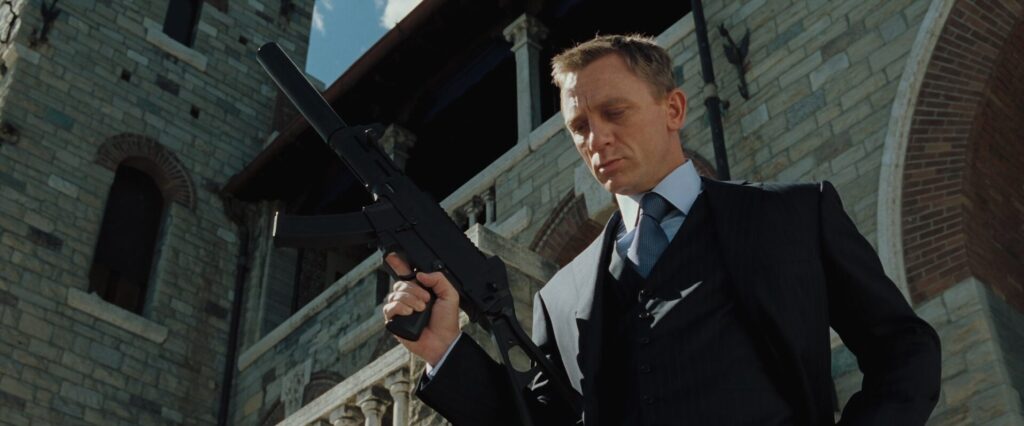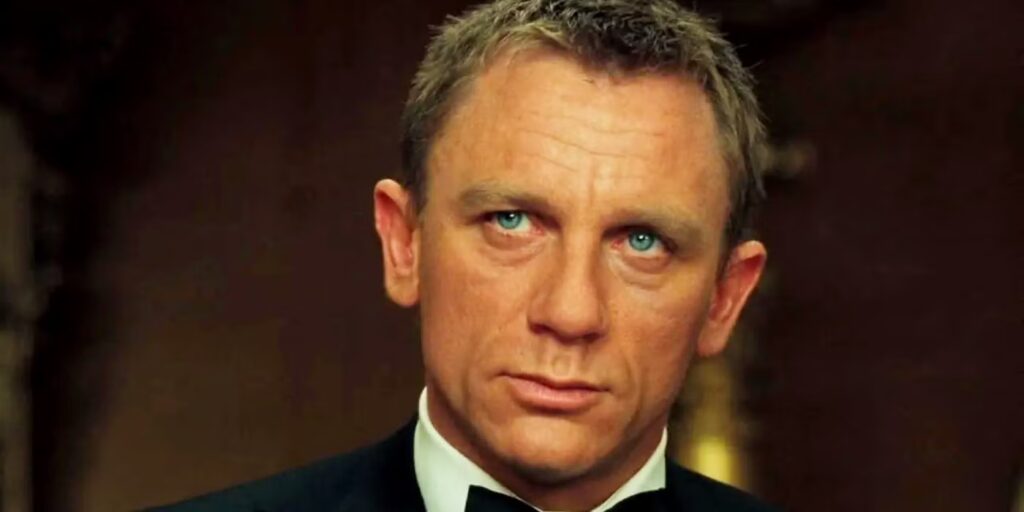
Today’s series is on the Daniel Craig James Bond movies. Why Daniel Craig and not Sean Connery, Roger Moore, or Pierce Brosnan? Well, because I grew up with Craig, and he was the Bond I was introduced to. He holds a special place in my heart. Full disclosure: I haven’t seen every Bond film. I’ve seen all of Craig’s, the two Timothy Dalton films, a couple of Connery’s, a couple of Moore’s and one of Brosnan’s. I briefly toyed with the idea of doing a deep dive on the entire franchise, but I didn’t want to dedicate the time. I did a 40-year deep dive into the filmography of Tom Cruise, so there’s no reason I couldn’t explore 25 Bond films — but quite frankly, I just didn’t want to devote my time to a subject I wasn’t thrilled with. Of the Bond films I have seen, I prefer Craig, so I’ll just write about the five films he starred in. Spoiler alerts are possible. You’ve been warned.
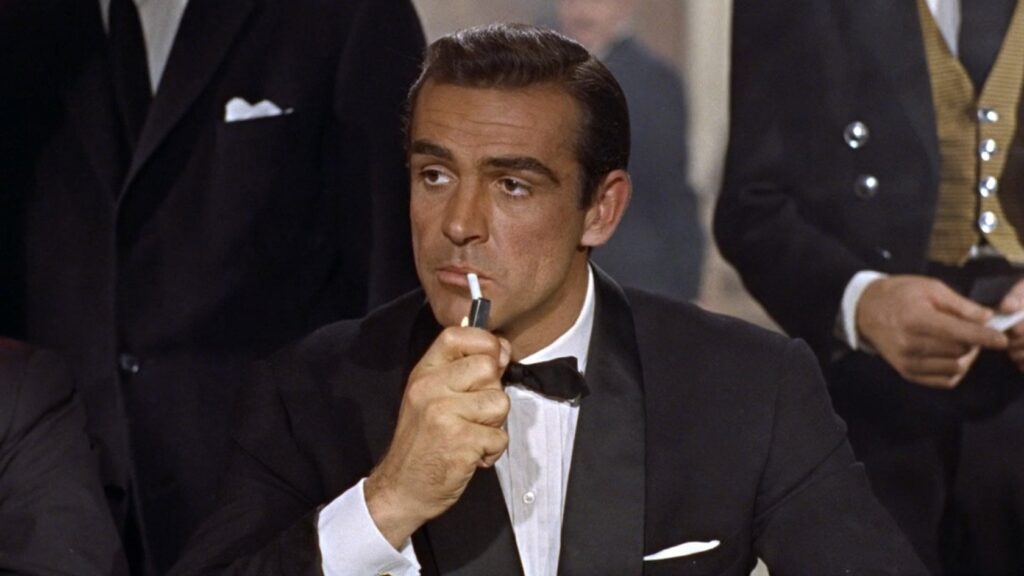
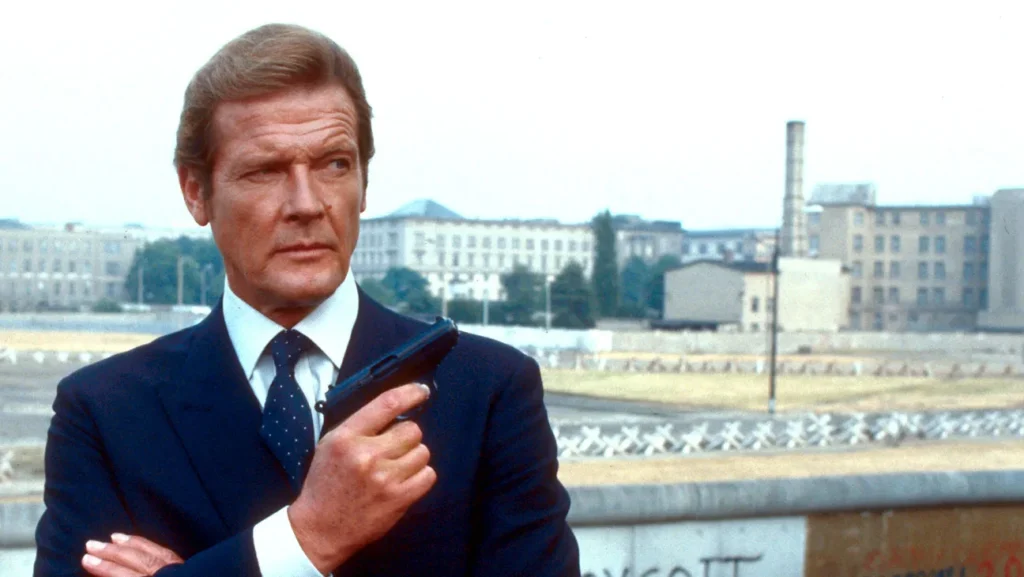
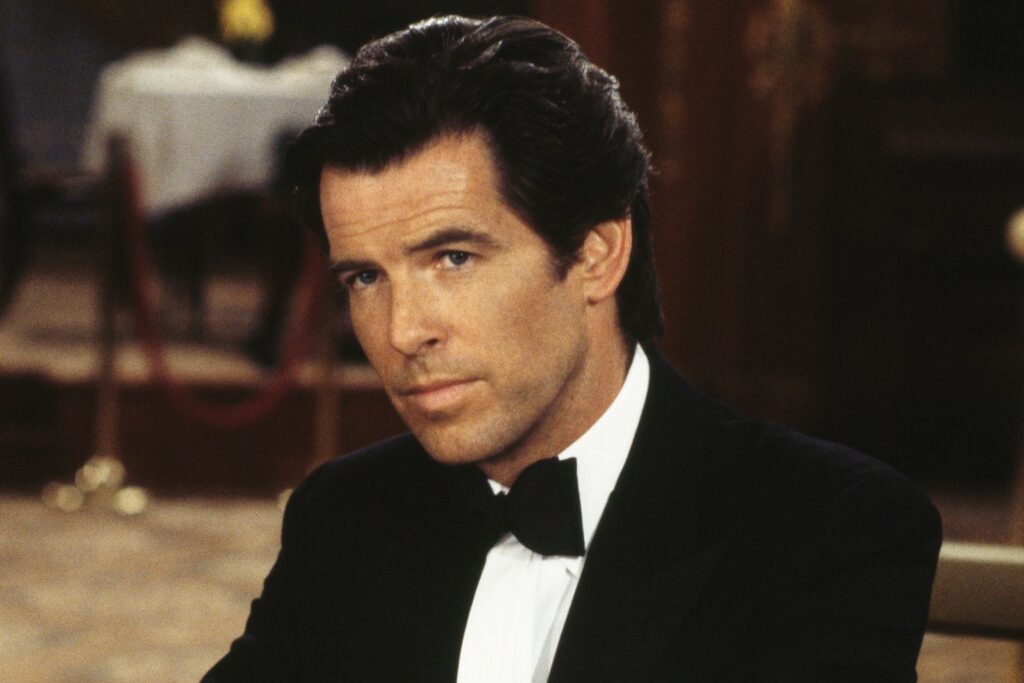
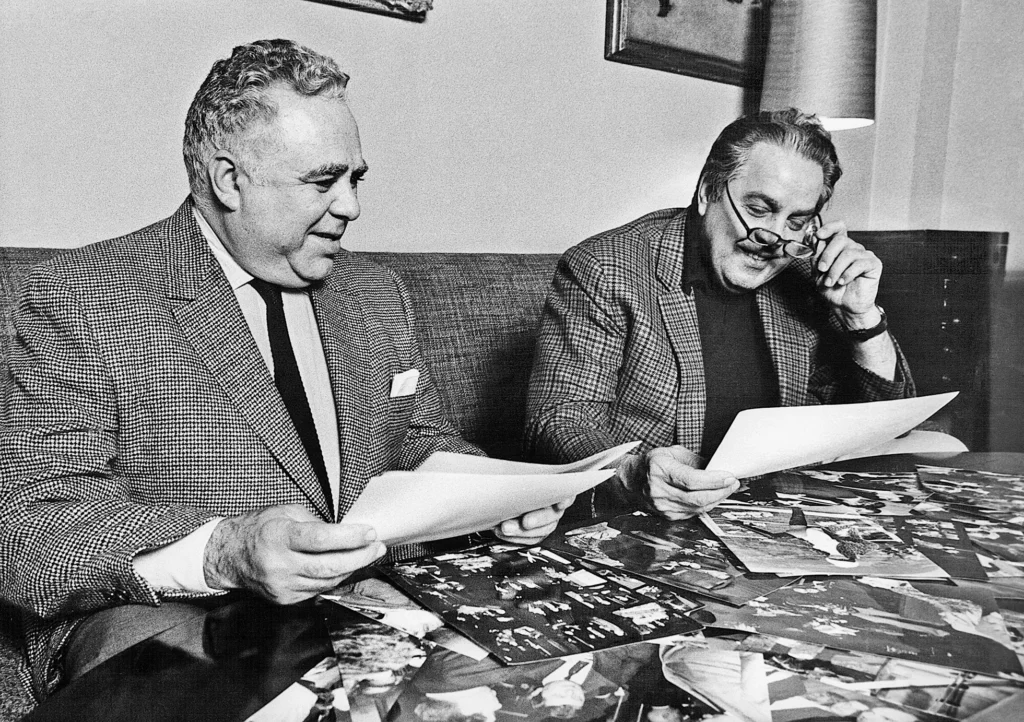
Before we dive in, I think it’s helpful to explore Bond’s journey to the screen. It all started in 1961 when producers Albert “Cubby” Broccoli and Harry Saltzman bought the rights to Ian Fleming’s books. They formed the company Danjaq, which housed their newly created EON (Everything or Nothing) Productions, and partnered with United Artists to bring Dr. No to the screen as the first adaptation. Together, the duo produced nine films. Due to mounting financial pressure, Saltzman sold his 50% stake in Danjaq to United Artists in 1975 after the release of The Man with the Golden Gun, effectively making UA the series’ permanent distributor. United Artists was acquired by MGM in 1981, and MGM would later be acquired by Amazon in 2021. The production of the Bond films became a family affair. Cubby Broccoli brought in his college-aged stepson, Michael G. Wilson, to work various jobs behind the scenes.
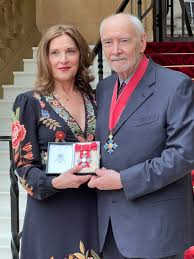
Cubby remained a producer through 1989’s License to Kill, the final Timothy Dalton film. Due to a long legal dispute and MGM/UA’s financial troubles, the next film, GoldenEye, wasn’t released until 1995. By this point, Michael G. Wilson had risen through the ranks, starting in EON’s legal department and eventually becoming an executive producer beginning with Moonraker, then a full producer (alongside Cubby) on A View to a Kill. Additionally, he co-wrote five Bond screenplays during the 1980s. Barbara Broccoli, on the other hand, started in the films’ publicity department at age 17 as an intern. She served as an assistant director on Octopussy and A View to a Kill and as an associate producer on The Living Daylights and License to Kill. With Cubby’s declining health, Barbara and Michael officially took over the franchise starting with GoldenEye. Cubby died shortly after its release. With that preamble out of the way, let’s talk about…
Casino Royale (2006)
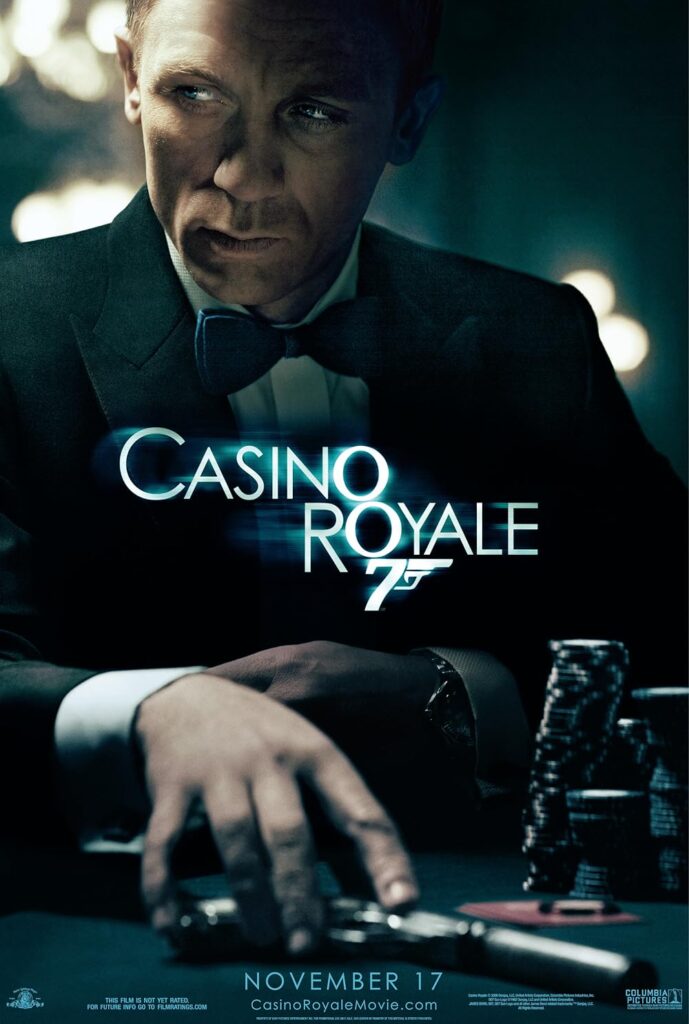
There’s more backstory, but we can finally discuss the development of Casino Royale. Pierce Brosnan had played Bond across four films, starting with the well-received GoldenEye and ending with the misfire Die Another Day. After the goofiness and mixed reception of Die Another Day, the producers wanted a grittier take on Bond — a less experienced and more vulnerable Bond. Allegedly, Wilson and Broccoli were inspired by Batman Begins. First, we need to figure out how they settled on Casino Royale as the 21st entry in the series. That involves going back a bit.
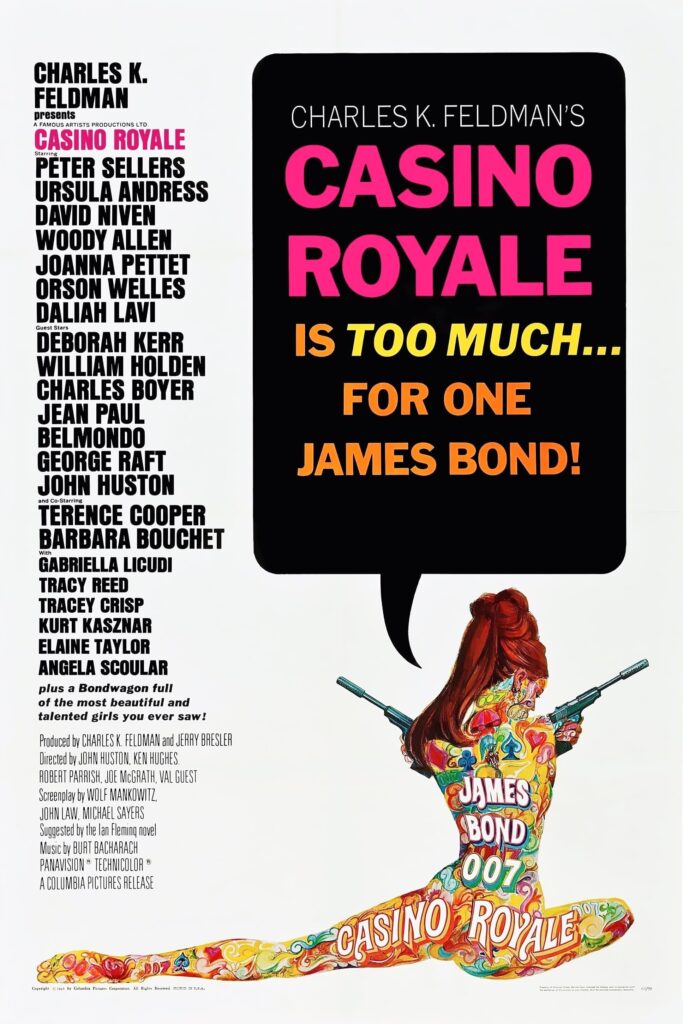
When Broccoli and Saltzman first acquired the rights to the novels, they didn’t include the rights to Casino Royale, the first Bond novel. CBS had paid Fleming $1,000 to adapt it into an episode of their anthology series Climax!, which aired live in October 1954. In 1955, Fleming sold the film rights to producer Gregory Ratoff. After Ratoff’s death, producer Charles Feldman acquired the rights from Ratoff’s widow to make a film version. Feldman negotiated with Broccoli and Saltzman to make Casino Royale an EON production, but talks fell through. Realizing he couldn’t compete with EON, Feldman decided to make the film a satire. “Bloated” would be an understatement: the 1967 film had five credited directors, four credited screenwriters, several uncredited contributors (including Ben Hecht, Billy Wilder, Woody Allen, Peter Sellers, and Terry Southern), and six actors playing agents with the alias “James Bond.” Despite lukewarm reviews, the film did respectable business, earning an Oscar nomination for Best Original Song (“The Look of Love”). Because Columbia Pictures distributed Casino Royale, Sony (Columbia’s parent company) held the rights for decades. MGM finally acquired them in 1999 by trading Sony for the Spider-Man rights.
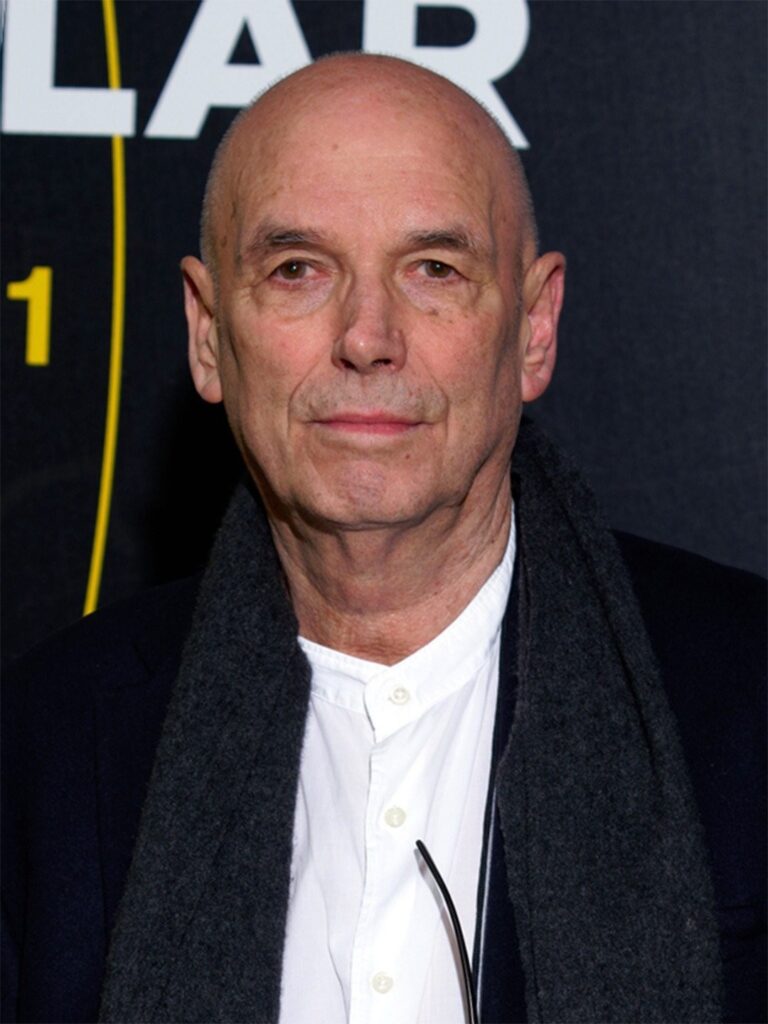
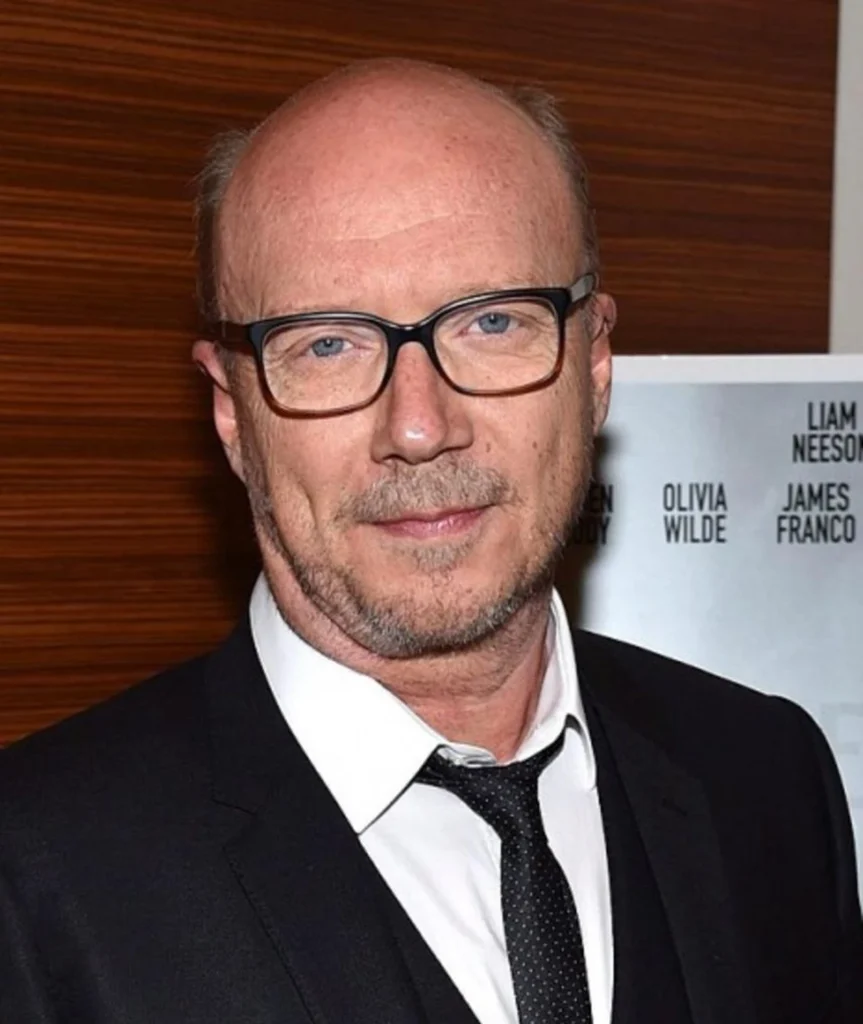
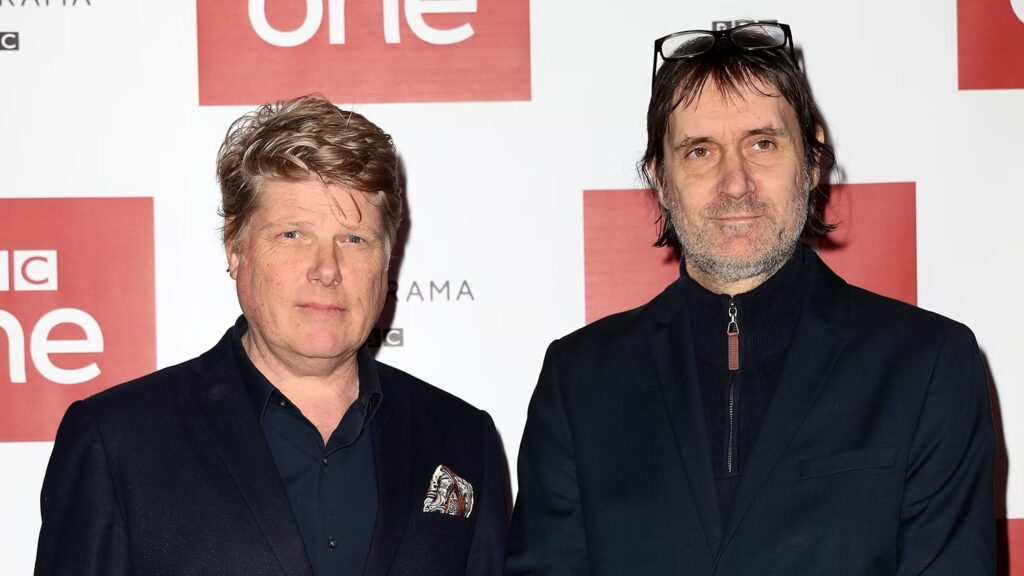
With the rights secured, the Broccoli family thought the material was perfect to reintroduce Bond as newer, younger, and more vulnerable — the antithesis of Die Another Day. Quentin Tarantino claimed he approached EON about directing Casino Royale, saying he would have set it in the 1960s with Pierce Brosnan as Bond. EON passed, though Tarantino claims working with the Fleming family inspired EON to finally produce Casino Royale. I have my opinions on Tarantino, but I take what he says with a grain of salt. In March 2005, Martin Campbell, who directed GoldenEye, was announced to direct Casino Royale. Recent Oscar winner Paul Haggis (Crash) was brought in to rewrite the script by longtime Bond scribes Neal Purvis and Robert Wade. Purvis and Wade confirmed their original draft had been written with Brosnan in mind.
With a script and director in place, the next big question was: who would play Bond? Brosnan’s contract was up after four films, and producers were unsure whether to keep him or go in a new direction. Ultimately, they dropped Brosnan. Later reports claimed salary disputes were a factor. Once Brosnan was out, the search began. Established actors like Christian Bale and Hugh Jackman were reportedly offered the role but turned it down. Other names floated included Goran Višnjić, Karl Urban, Julian McMahon, Ewan McGregor, and Matthew Rhys. According to Campbell, the only serious contender outside Daniel Craig was Henry Cavill. However, at 22, producers felt Cavill was too young. Cavill recalls Campbell telling him he wasn’t in good enough shape for the role.
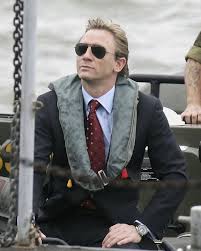
In May 2005, Daniel Craig emerged as the frontrunner after starring as a nameless assassin in Layer Cake. Before that, his best-known roles were as Paul Newman’s mobster son in Road to Perdition and an Israeli assassin in Munich. A year earlier, Craig had said he wasn’t interested in Bond — until he read the script. On October 14, 2005, EON, MGM, and Sony formally announced Craig as Bond. Craig, with long unkempt hair, boarded a Royal Marines Rigid Raider from HMS Belfast and arrived at HMS President, where he was introduced to the press. Wearing a safety vest (against his wishes) didn’t help his image. The backlash was immediate. Headlines questioned the casting. Craig faced relentless press antagonism. The phrase “Bland — James Bland” circulated, and danielcraigisnotbond.com launched. Critics fixated on his blonde hair and his “non-traditional” Bond appearance. Craig was asked to dye his hair brown; he refused.
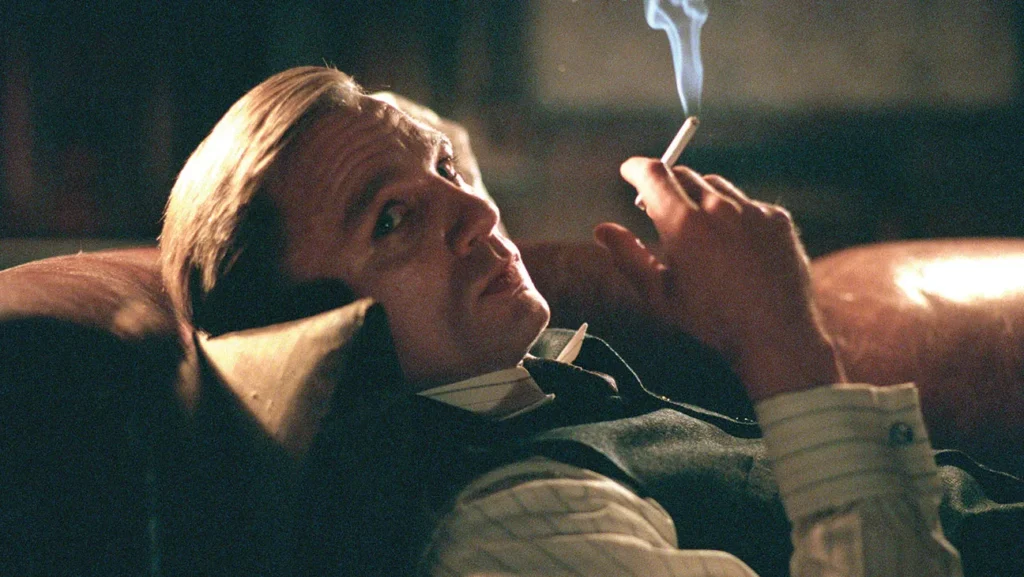
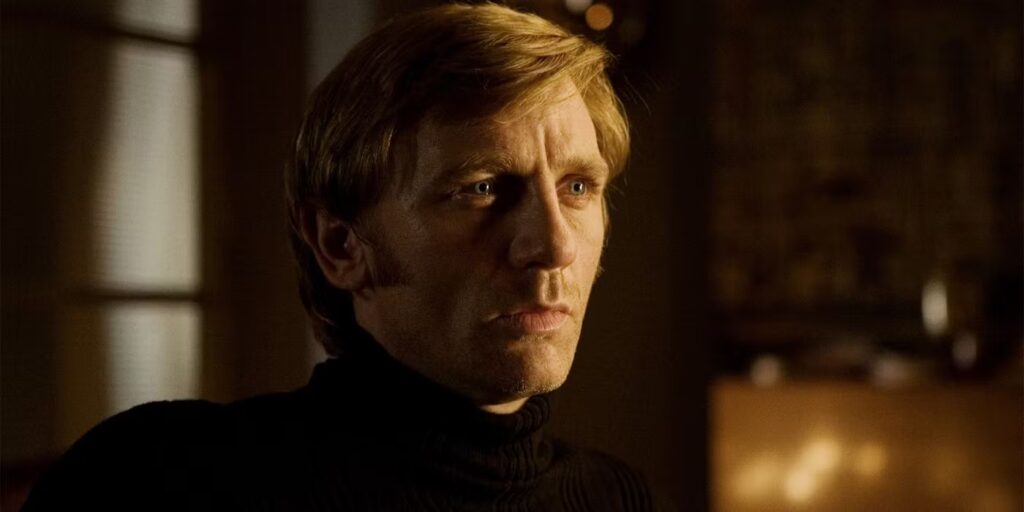
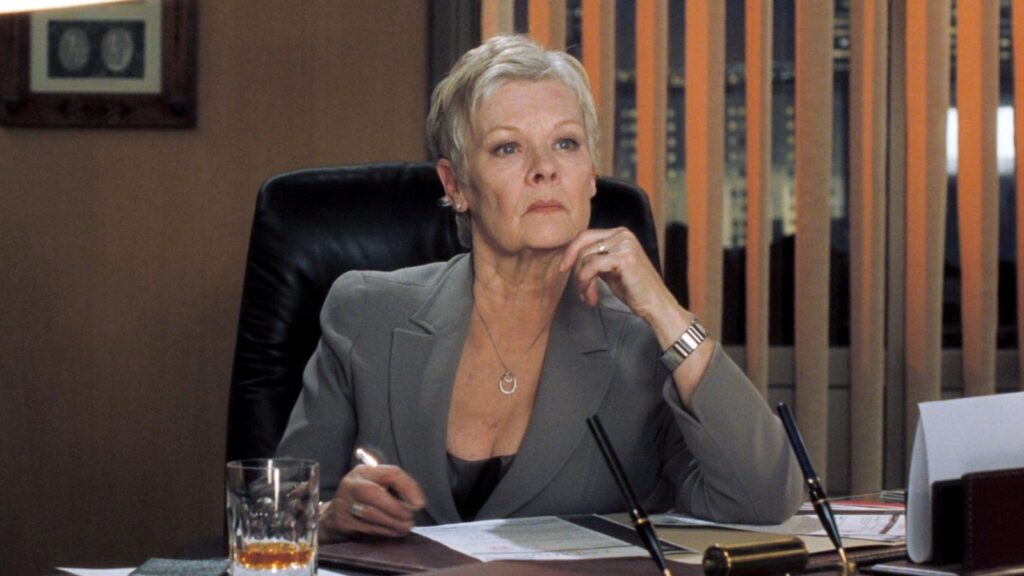
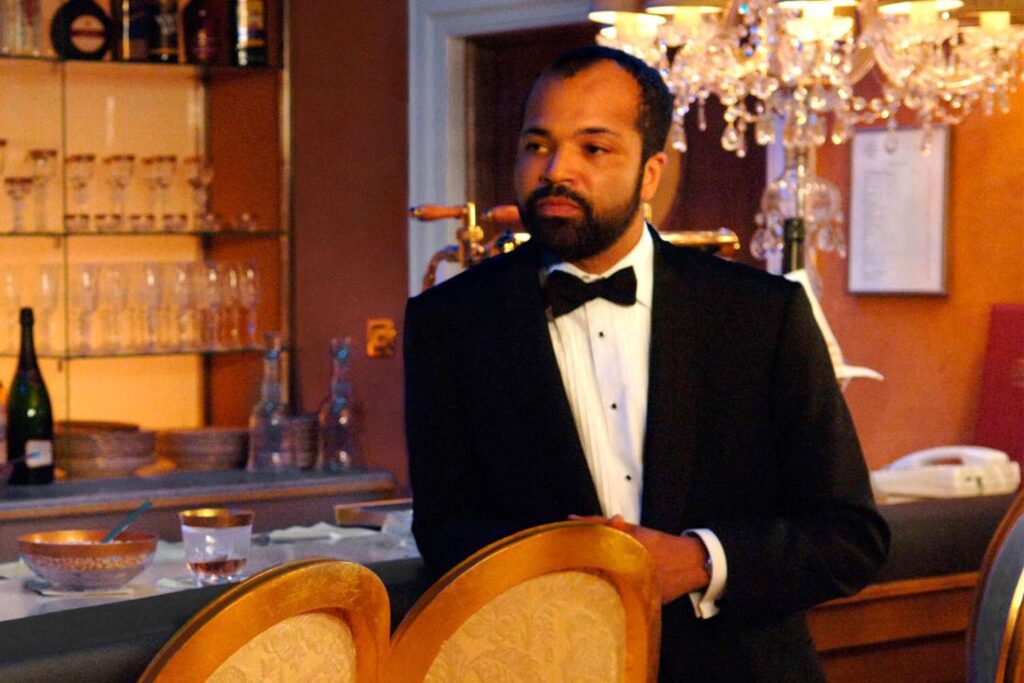
Casting Vesper Lynd was the next priority. The casting director revealed that Angelina Jolie and Charlize Theron were discussed, but nothing came of it. French actress Audrey Tautou (Amélie) was considered but dropped out for The Da Vinci Code. Olivia Wilde and Eva Green were finalists; Green landed the role. Rounding out the cast were Mads Mikkelsen as Le Chiffre and Jeffrey Wright as Felix Leiter. Despite being a reboot, Judi Dench stayed on as M, the only holdover from the Brosnan era.
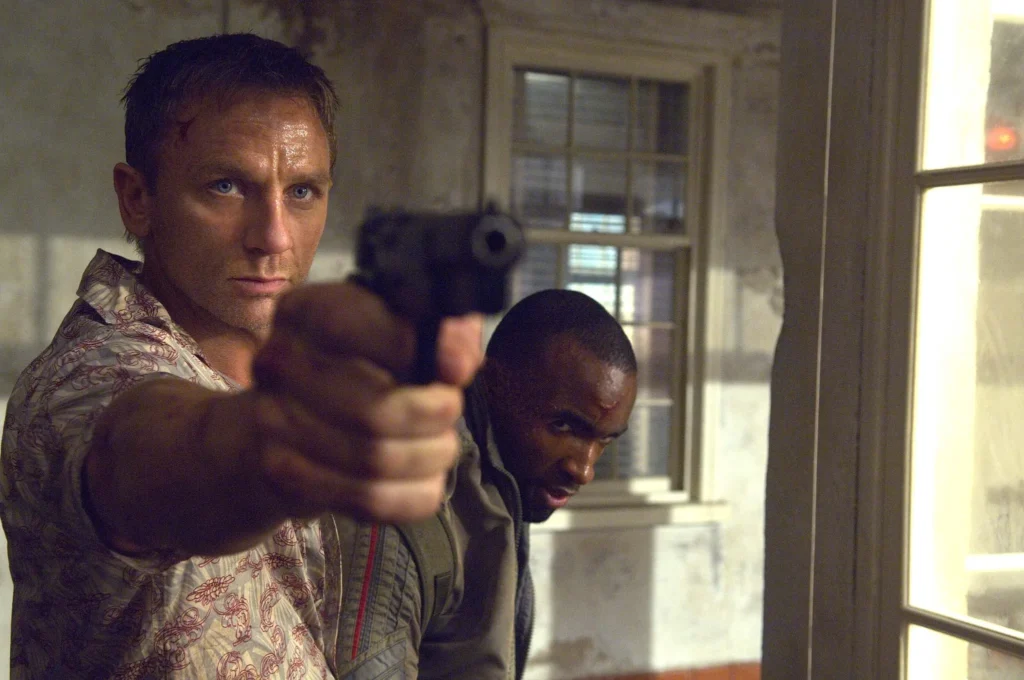
Filming began in Prague in January 2006 and wrapped in July. Other locations included Italy, the UK, and The Bahamas. The filmmakers intentionally moved away from CGI-heavy effects, returning to practical stunts. The three biggest practical set pieces were the Madagascar construction site chase, the Miami Airport chase, and the sinking Venetian house. The crane chase was filmed at an abandoned hotel in The Bahamas. The airport chase used a London airport, with shots from Prague and Miami spliced in. The Venetian house rig — the largest ever built for a Bond film — weighed 90 tons and could be submerged in 19 feet of water.
The film premiered in London on November 14, 2006, and opened in the U.S. on November 17. Reviews were overwhelmingly positive. Ironically, Craig’s performance earned universal praise. Critics hailed him as the first actor to truly embody Fleming’s Bond: cold, brutal, ironic, a “complete swine.” Some speculated he could land an Oscar nomination. Praise also went to the practical effects and the franchise’s return to its roots. Even Roger Moore wrote that Craig impressed him, saying Craig “introduced a more gritty, unrefined edge to the character that I thought Sean [Connery] might just have to move over.” The film didn’t earn Oscar nominations in the U.S., but it received nine BAFTA nominations, including Best Actor for Craig and Adapted Screenplay, winning Best British Film.
I’ve spent a week ruminating on each film as I prepared these posts. I admitted up front that I haven’t seen many Bond films, only Craig’s. I might not have the best grasp on earlier continuity, but I’ll try my best to be as accurate as possible when referring to them. I enjoy Casino Royale, and I see why fans rank it among the top Bond films. The one I always see listed at number one is Goldfinger, which I haven’t seen. I’ll age myself: I was in second grade when Casino Royale came out. I don’t remember the backlash against Craig. Yes, two Brosnan films were released in my lifetime, but for as long as I’ve known the cultural icon that is James Bond, it’s been Daniel Craig.
I think casting Craig was a brilliant reinvention. Showing Bond as naïve, vulnerable, and unpolished worked beautifully. Casino Royale was the perfect vehicle to showcase this Bond. Not only was it the first Bond novel, but securing the rights felt like a homecoming for EON. I also love that Judi Dench stayed as M despite the reboot. It’s like saying “forget continuity — we’re keeping our beloved M.” It also speaks to Dench’s staying power. Jeffrey Wright deserves praise too. I appreciate Wright as an actor, but he’s dapper as hell, and it’s fun watching his friendship with Bond develop.
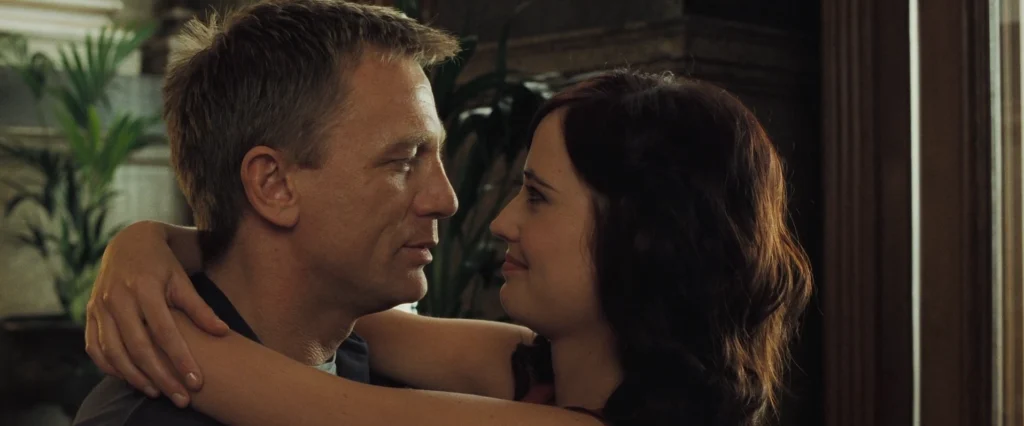
Beyond Craig, the best casting was Eva Green as Vesper and Mads Mikkelsen as Le Chiffre. Green is intelligent, savvy, and sexy as hell, yet retains an innocence that pairs perfectly with Craig’s vulnerable Bond. I’m amazed she was only 26 at the time — my current age as I write this — because she carries herself with confidence and maturity far beyond her years. Mikkelsen is pitch-perfect. He’s menacing yet calm, even when plotting. The bleeding eye makeup adds to his mystique. He has some of the film’s best lines: when asked if he believes in God, he replies he believes in a “reasonable rate of return.” And in that infamous torture scene, his dark humor is chilling. Right before he’s killed, you finally see the fear in his eyes.
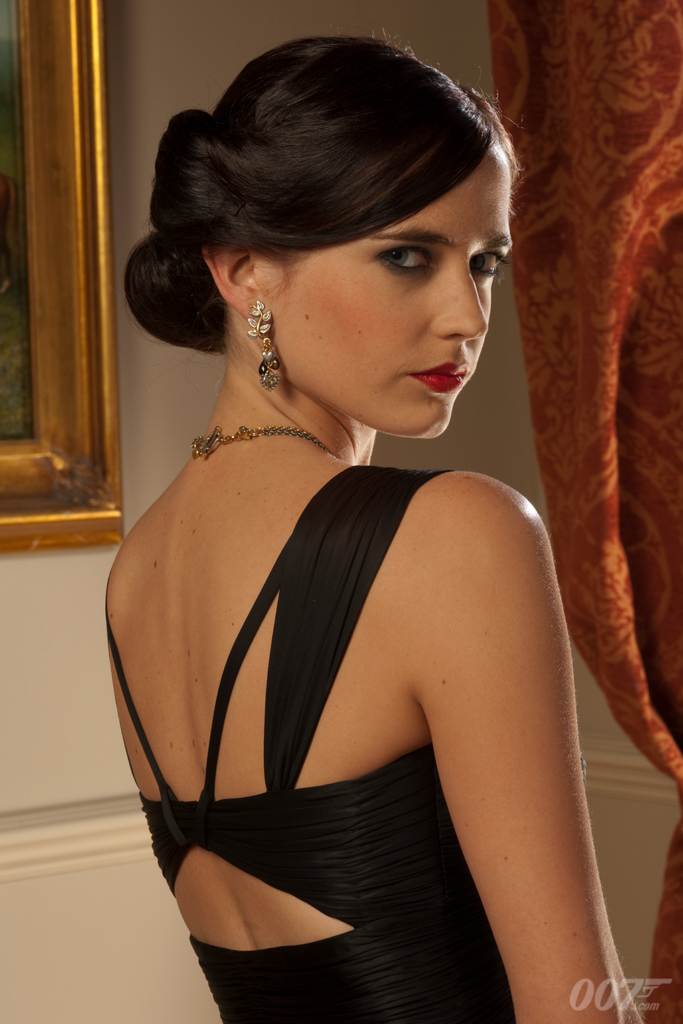
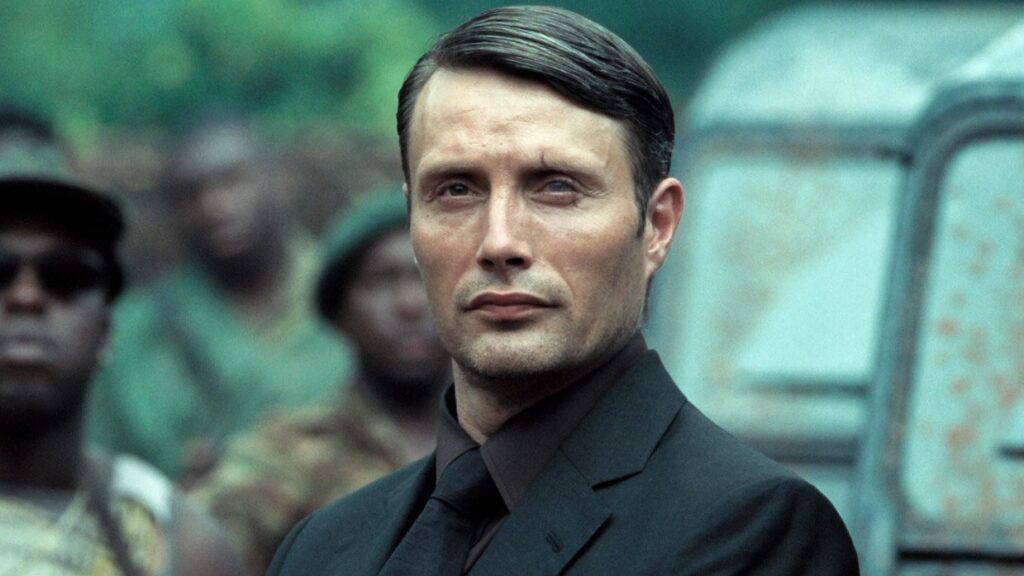
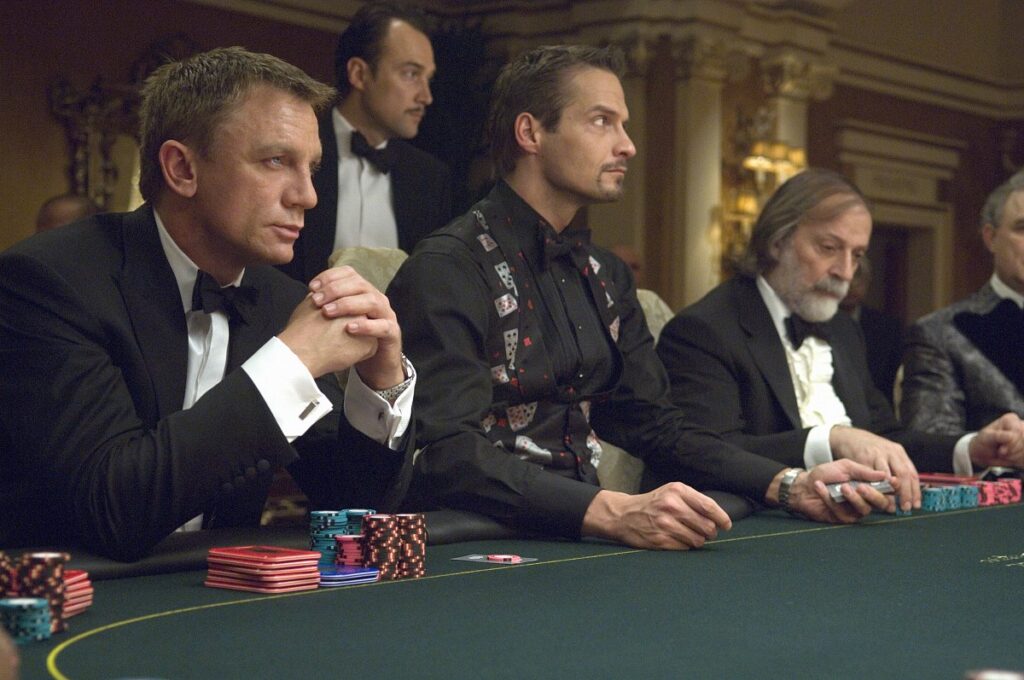
I’ve sung the film’s praises, but my biggest gripe is the pacing. It feels longer than it needs to be. The central poker game ends, Le Chiffre is killed, and Bond and Vesper seemingly get their happy ending — but then there’s another 30 minutes. I feel conflicted complaining because that time is critical to Bond’s character arc. He’s angry at Vesper but still loves her. Watching her drown, unable to save her, hardens him. Her betrayal, paired with his grief, helps forge the morally ambiguous Bond we know.
I may have complained about the runtime, but I love the last shot: Bond shooting Mr. White and delivering the iconic line, “The name’s Bond. James Bond.” It’s a refreshing update to the classic line. I wouldn’t argue with anyone who calls Casino Royale their favorite Bond film. There’s plenty to love. But unless they top it, I’m in Skyfall’s camp. Against the doubters and naysayers, Casino Royale was a bona fide hit. The next step? A sequel, of course.