Egregious
The heading says it all. These are the Oscar losses that I find egregious.
Art Carney over Pacino or Nicholson for Best Actor (1974)
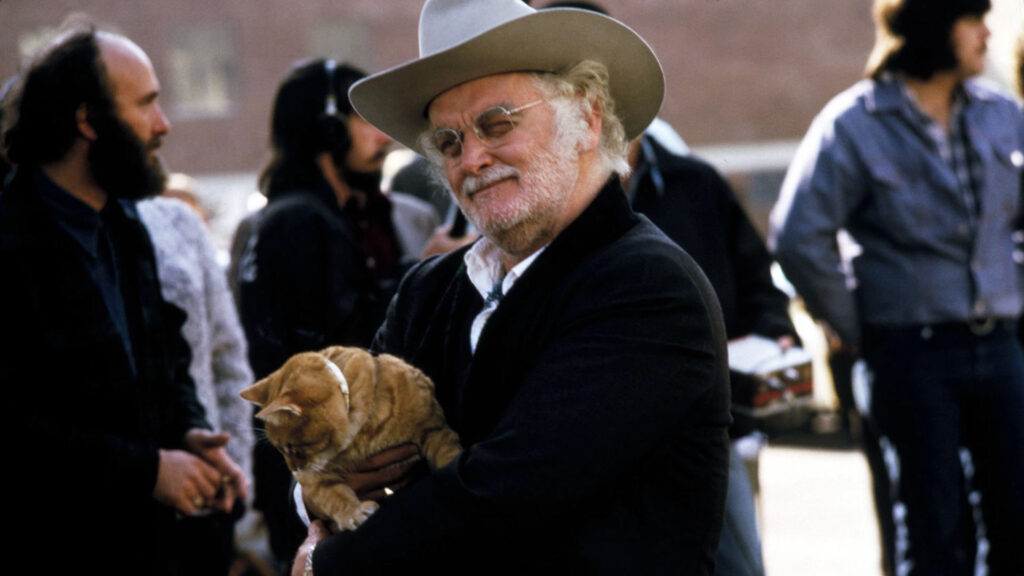
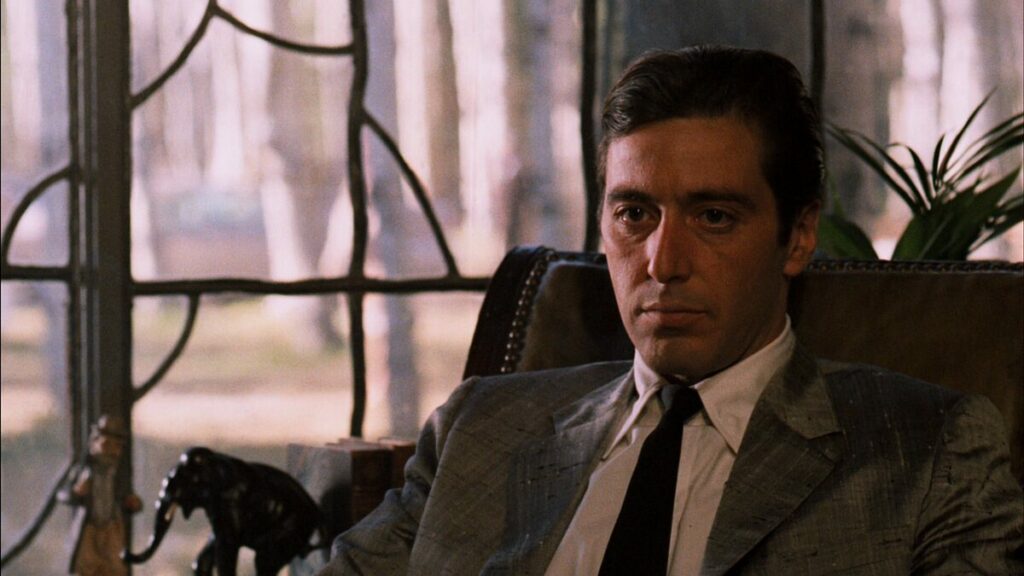
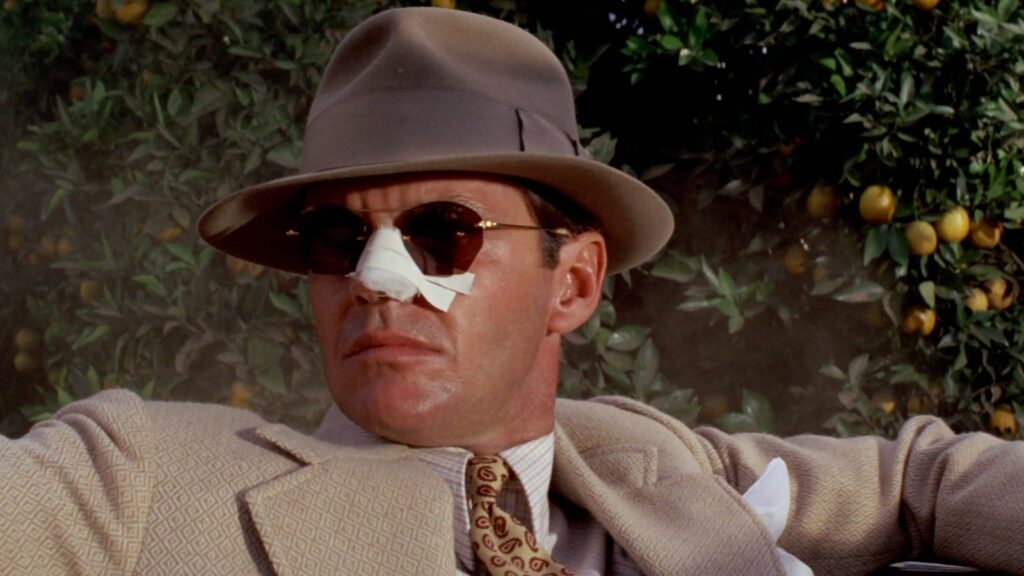
This is an example of what I call an “overdue Oscar.” It’s when the public opinion is that an actor is overdue for an Oscar win. Industry veteran Art Carney won the Academy Award for Best Actor in 1974 for his portrayal of an elderly widower on a cross-country road trip with his cat, Tonto, in Harry & Tonto. I have to come clean and say, I have never seen Harry & Tonto. Maybe my theory of an overdue Oscar is invalid and Carney deserved the Oscar? I don’t know. In my mind, this is the only logical conclusion I can jump to. I mean how the hell does Art Carney beat out both Al Pacino and Jack Nicholson for The Godfather Part II and Chinatown respectively? Those are two of the most iconic performances of 70s cinema, if not of all time. Thankfully, Nicholson would take home the prize the next year for his turn as rebellious inpatient McMurphy in One Flew Over the Cuckoo’s Nest. I am of the firm believe that Michael Corleone is the pinnacle of Al Pacino’s career. He was fantastic in The Godfather (and could easily have won too), but his portrayal of Michael as a ruthless and vindictive mafia don in the sequel, is some of the best acting I have ever seen. His character arc over the two films is the best marriage of writing and acting I have ever seen on screen. There’s nothing like it in the history of cinema.
While we’re talking about Pacino, here’s a piece of irony. How many Academy Awards, do you the reader, think Al Pacino has on his mantle? The answer is a resounding one! And in another case of the Academy awarding a veteran actor an “overdue Oscar,” they award Pacino for Scent of a Woman. That’s right. Out of nine nominations, his only win is for Scent of a Woman. I get it. Pacino plays a cranky, blind veteran who performs a selfless act by the film’s end. The Academy eats this shit up. Except, who thinks they would be able to make a case for this being Pacino’s greatest performance? He had chances to take home the gold with films like Serpico, Dog Day Afternoon, or Glengarry Glen Ross, but this is his consolation prize. I could extrapolate this overdue Oscar theory more by saying that Pacino won over Denzel Washington giving a career high playing Malcolm X. Despite having an Oscar in the supporting category for Glory, there is a theory that Washington’s consolation prize was Best Actor a decade later for his over the top performance in Training Day. That was the year Russell Crowe swept the awards circuit for A Beautiful Mind. With his win the previous year for Gladiator, he could have been the third actor to have back-to-back Best Actor Oscar wins. And so the cycle continues.
Michael Caine over Tom Berenger for Supporting Actor (1986)
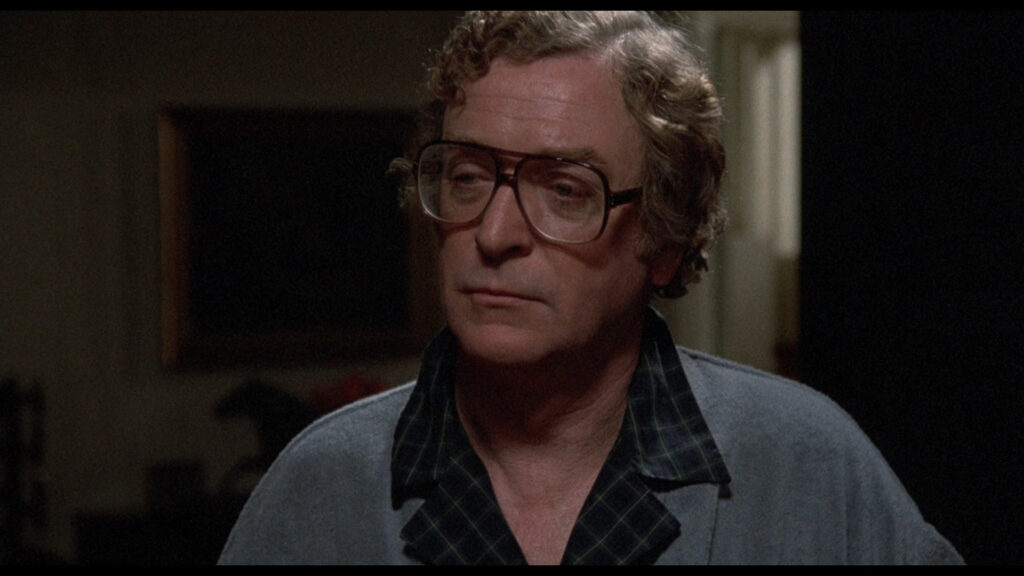


Think what you will of Woody Allen, but two of Hannah and Her Sister’s wins for his Original Screenplay and Supporting Actress for Dianne Weist were well deserved. Michael Caine for Supporting Actor, on the other hand, I don’t know about. Caine is fine as a man who falls for his sister-in-law, but I don’t think Caine’s performance was even the second-best nominated performance of the year. Tom Berenger won the Golden Globe in this category for his portrayal of the cynical and morally flexible Sgt. Barnes in Platoon. The film deservedly won Best Picture and Director, but Berenger should have taken the prize. My theory is that, as with many films with more than one nominee in the same category, the vote was split. Willem Dafoe was also nominated for his portrayal of the more compassionate Sgt. Elias. I believe that if Dafoe was not carrying half of the Platoon momentum in the category, Berenger would have carried it all and won. That’s just my theory.
Kevin Kline over River Phoenix for Supporting Actor (1988)


Kevin Kline’s win is kind of a head-scratcher for me. A Fish Called Wanda is a straight comedy (albeit a clever one), but the Academy tends to overlook comedies. I watched the film for the first time this past year and was expecting greatness, but I was disappointed. Maybe it is a testament to Kline’s performance, but his character annoyed the shit out of me. He just came across as a childish thief, whose anger and incompetence screwed up the heist at every turn. On the other hand, I thought River Phoenix’s performance in Running On Empty was emotional, real, and heartbreaking. You could make the case that Phoenix is the main character, and you wouldn’t be wrong. Whichever category he was placed in, I still admire his performance as the son of a fugitive family coming of age. Unfortunately, at eighteen years-old, this was the only Academy Award nomination of Phoenix’s short career. Thankfully, his brother Joaquin took up the mantle to become one of the best actors of his generation.
Shakespeare in Love over Saving Private Ryan for Best Picture (1998)
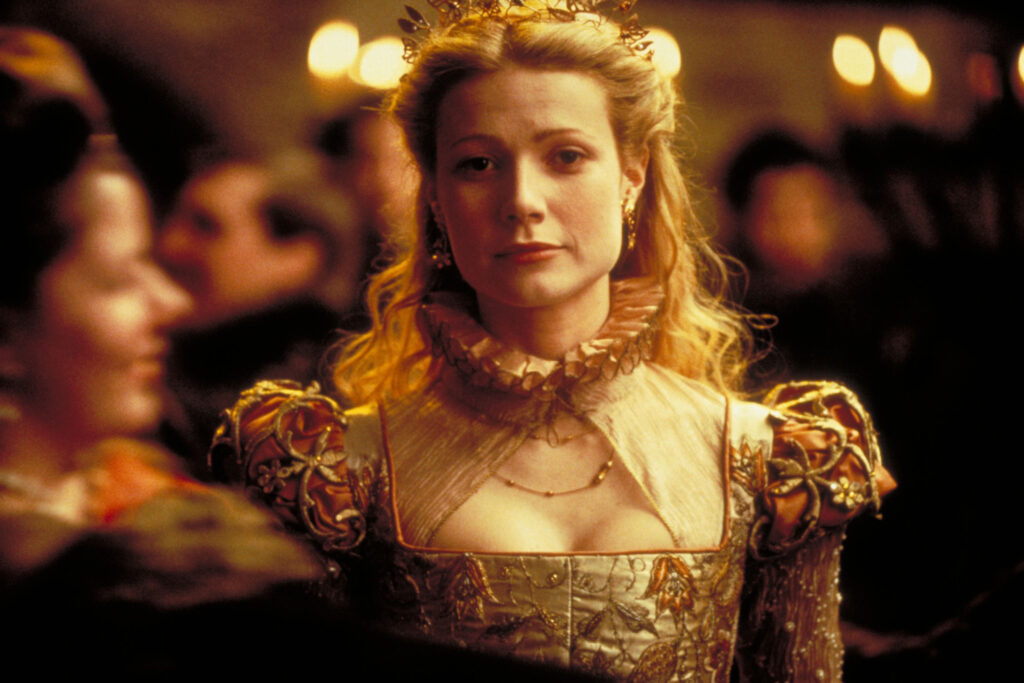
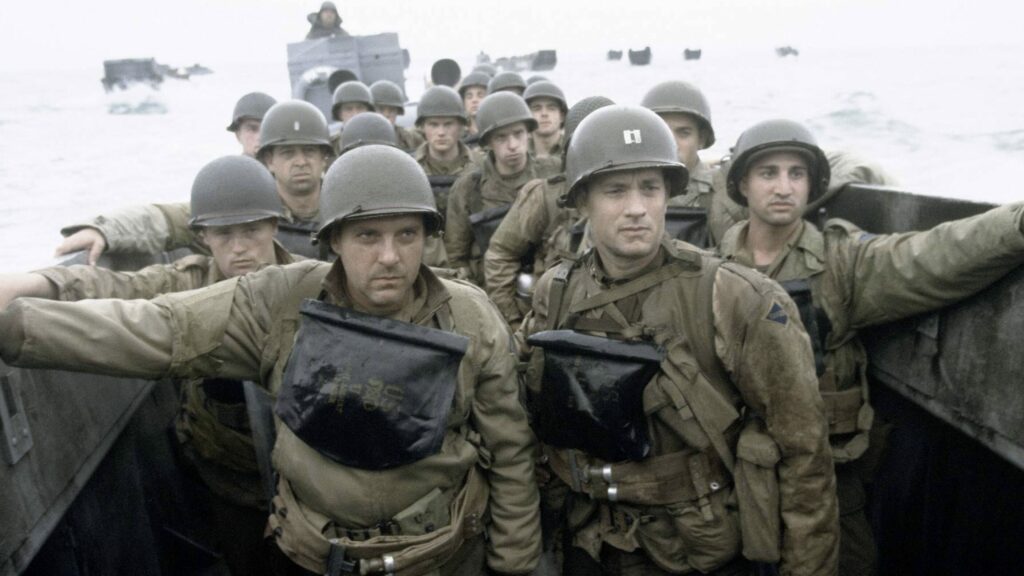
Steven Spielberg won the Oscar for directing his wartime masterpiece Saving Private Ryan, yet, the film did not win Best Picture. It’s no secret that Ryan was the frontrunner, but Harvey Weinstein used his aggressive, mudslinging campaign to ensure that Shakespeare took home the prize. 25 years later, the only reason people still talk about Shakespeare in Love is because of its unscrupulous Oscar victory. Meanwhile, Ryan is still talked about today, considered one of the greatest war movies of all time, and is a TV staple every Memorial Day. This was a clear fumble for the Academy.
Michael Caine over Tom Cruise for Supporting Actor (1999)


We come to Michael Caine again. His turn as a physician in The Cider House Rules is nothing extraordinary, especially when compared to the other nominated performances. You could make a case for the breakthrough performances of Jude Law, and Michael Clarke Duncan, but for my money, a different Hollywood veteran should have won. Tom Cruise is a revelation as a misogynistic motivational speaker and pick-up artist with daddy issues. Now, I’m not saying that Magnolia is my favorite film of his (I am partial to M:I Fallout), but I will not hesitate to say that this is the best performance of his entire career. He was heartbreaking as Ron Kovic in Born on the Fourth of July and okay in Jerry Maguire (his two other Oscar-nominated performances), but this is the performance Cruise should have finally won for. The catharsis scene where he confronts his dying father alone should have won him the award. Having won the Golden Globe, he seemed like a sure thing, but Michael Caine swoops in once again. Despite conquering the box office and being one of the last “movie stars,” Magnolia remains Cruise’s final Oscar-nominated performance (he did get a Best Picture nomination for producing Top Gun: Maverick), but hopefully not his last.
Marcia Gay Harden over Kate Hudson for Supporting Actress (2000)
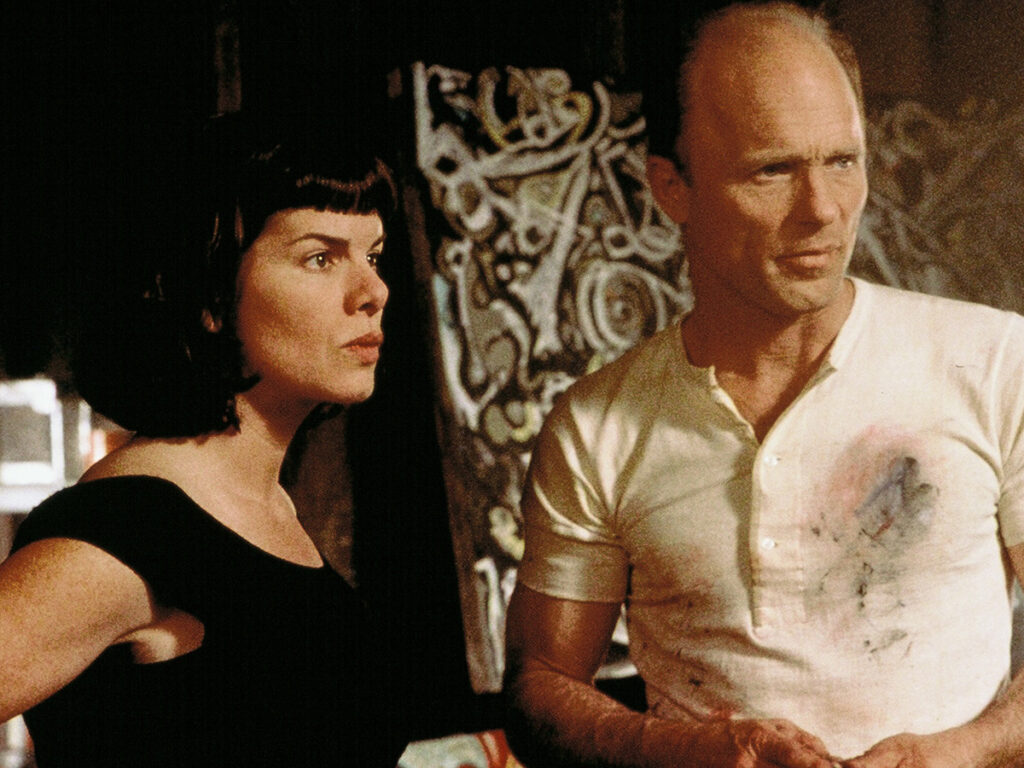

This win came out of left field, especially since this was the first major nomination for Harden’s performance. She was the proverbial dark horse if there ever was one. The frontrunner all season was Kate Hudson in Cameron Crowe’s semi-autobiographical film, Almost Famous. Her performance as Band-Aid Penny Lane was unforgettable. She was the heart of the film, in a film already full of heart (and good music). Like Berenger and Dafoe, I think what did Hudson in was a split vote. Frances McDormand was also nominated as the young protagonist’s overprotective mother in the same film. Hudson’s was the showier role, but McDormand (now a three-time Academy Award-winning actress) is as solid as ever. I ultimately think that the Academy didn’t want to have to decide between the two, hence Harden’s win. Nearly 25 years later, Penny Lane is still iconic. I don’t think the same could be said of Harden’s portrayal of artist Lee Krasner.
Crash over Brokeback Mountain for Best Picture (2005)
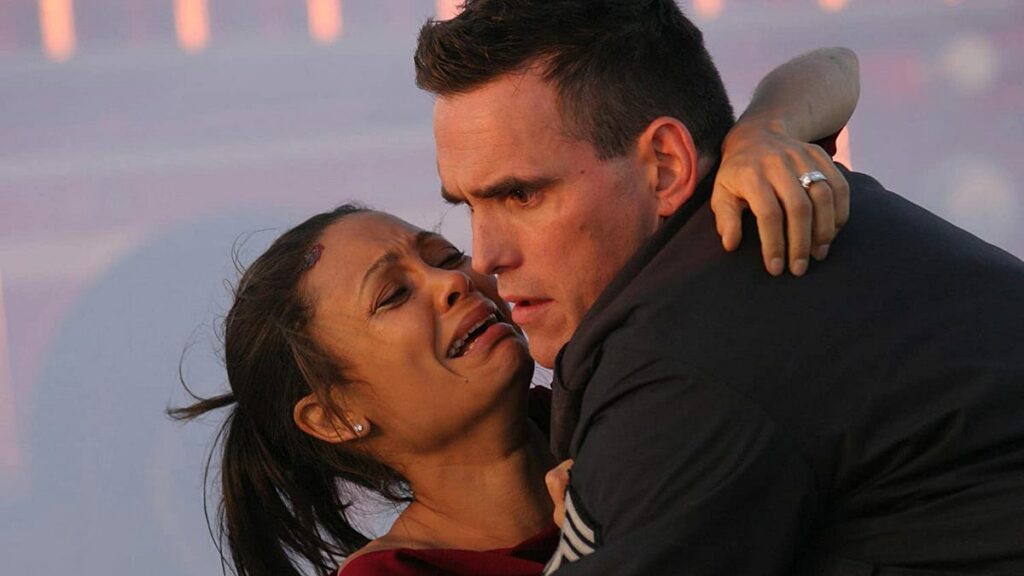

Like Shakespeare vs. Ryan, Crash’s win lives in motion picture infamy. Brokeback Mountain was the expected winner. Despite wins in the Adapted Screenplay, Direction, and Score categories, the film failed to lock in the Best Picture category. Despite all of the hype, I think the Academy as a whole, was not ready to accept a gay romance involving two cowboys as Best Picture. It should be noted that every Academy member votes for Best Picture, regardless of their craft, but for specific categories, only members in the branch can vote. For instance, the director’s branch voted for Ang Lee as Best Director, whereas the Academy in its entirety, voted for Best Picture. This moment was talked about for years. I can’t seem to find the poll online, but I am positive that I came across a poll that was released on the tenth anniversary of the Oscar ceremony, where a majority of Academy members admitted that they would have retroactively voted Brokeback as Best Picture over Crash. If Brokeback was released today, I don’t think anyone would have batted an eye over the subject matter. We’ve come so far as a society in the 18 years since the film was released and films are finally starting to reflect our diverse voices. Despite the loss, the popularity of the film was a watershed moment for LGBTQ+ representation in film.
Green Book over anything else for Best Picture (2019)


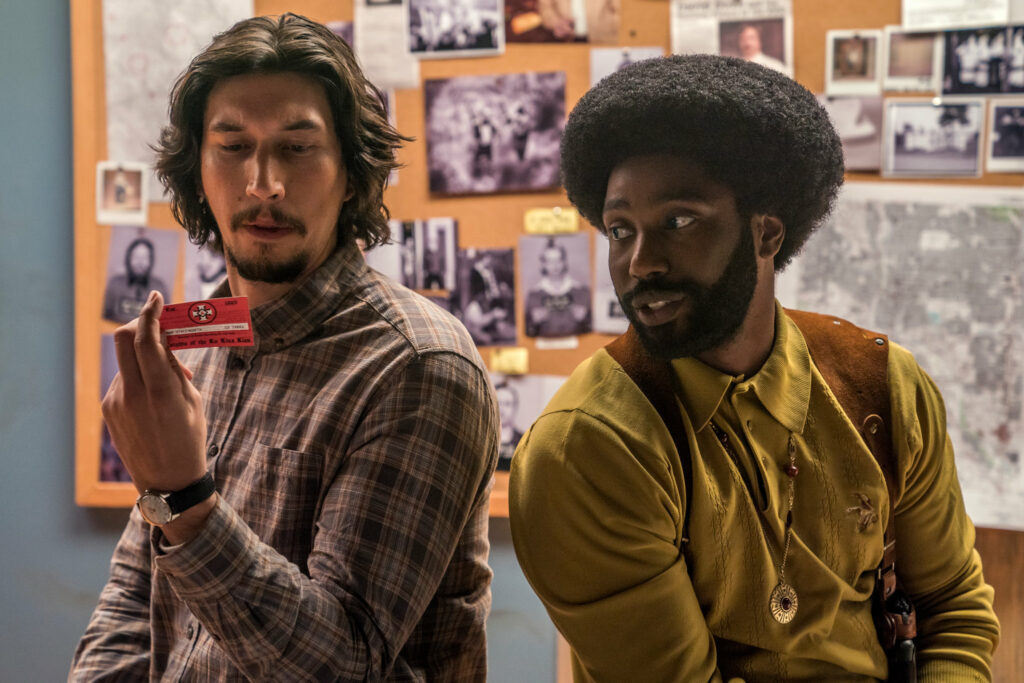
A lot has been said about Green Book’s Best Picture win. It was similar to Driving Miss Daisy’s win back in 1989, a comparison made by many, including fellow nominee Spike Lee. Enough has been said about how it’s the “feel-good movie about race relations,” so I’m not going to focus on that. Instead, I will focus on the quality (or lack thereof). Like every other Best Picture winner on the list, the film is fine. Not terrible but not great either. I believe most of the other nominees would have been better. Well, maybe not Vice or Bohemian Rhapsody. Both are examples of films where the lead performance is better than the actual film. Yorgos Lanthimos (The Favourite) is a little too weird for my taste, Black Panther is a superhero film, and A Star is Born is the third remake, but I think either would have been a better choice. The race was pretty much Green Book vs. Roma, with BlakkKlansman as a potential dark horse. Roma won Best International Feature, Best Direction, and Best Cinematography, but not Best Picture. I would have been okay too if the voters gave the trophy to BlakkKlansman, as Spike Lee’s film was at once thrilling, funny, and a call for social justice. I’ll admit, that I have a short attention span, so reading subtitles for an entire movie is not easy for me, but the film’s beauty resonated with me. Ultimately, I think the reason Roma did not take the cake was that the Academy was not ready to award Best Picture to a non-English language film, especially when the film was a lock for Best International Feature. You could also argue that Roma broke the mold, as the very next year Parasite became the first non-English language film to win Best Picture (as well as International Screenplay, Original Screenplay, and Directing).