This is a four-part series exploring the times I thought the Academy got it wrong. I broke the instances up into different categories based on the level of “severity” and listed each entry in chronological order. I’m curious to see if anyone agrees with me. What are some of the times you felt the Oscars got it wrong? Feel free to let me know in the comments.
If any of you are curious to know what goes on behind the scenes of the Oscars and why certain wins happened over others, check out The Awards Contender on YouTube. He has provided me with a wealth of entertainment and knowledge since I discovered his channel. He goes far more in-depth than I do. I just want to make clear that he is in no way associated with Metro Movie Buff. I just want to help promote his channel so he can keep making insightful content.
Personal Preferences
These are the films/performances that I would have preferred to win at the Academy Awards, but I am not upset that they lost.
The French Connection over The Last Picture Show for Best Picture, Directing and Adapted Screenplay (1971)
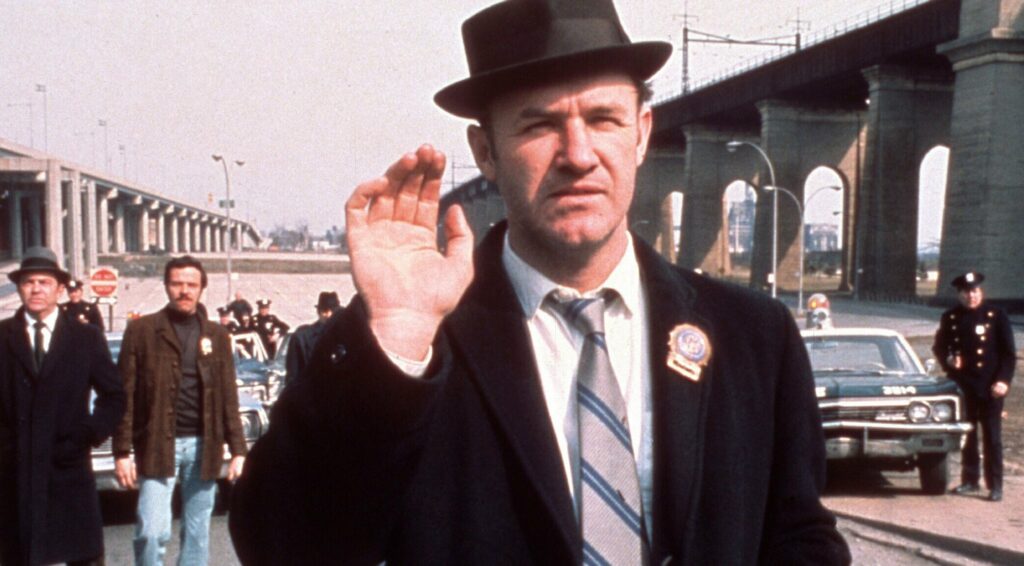
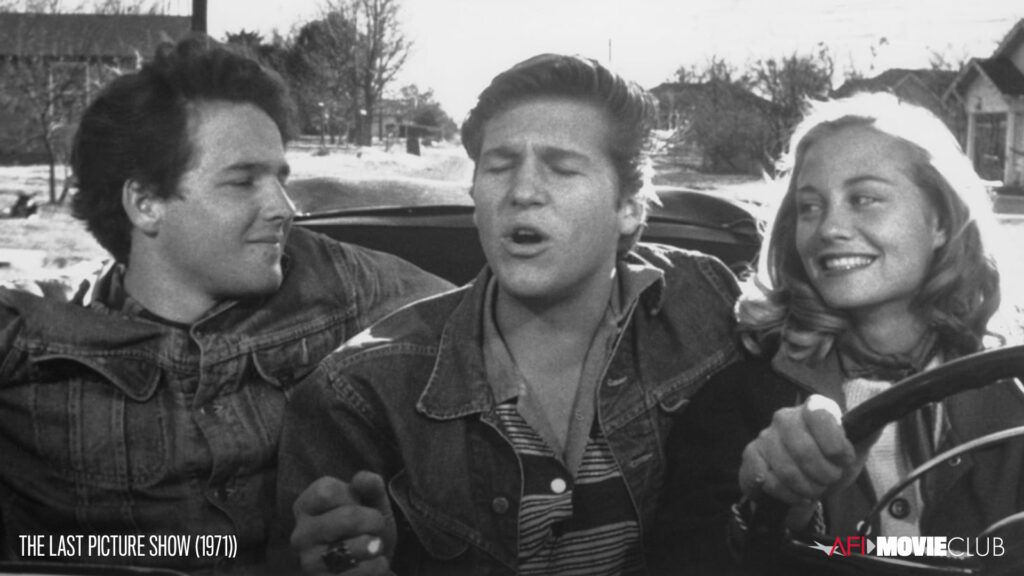
The French Connection isn’t a bad movie. It’s a gritty thriller shot like a documentary on the streets of 1960s New York, but my preference would be The Last Picture Show. Based on the novel by Larry McMurtry, the film follows the lives of three high school graduates as they come of age in a dying Texas town during the 1950s. McMurtry (who co-wrote the screenplay) and Peter Bogdonovich (who directed) were able to explore the interpersonal drama of these three friends as they come to terms with the changing times. On the surface, the film, with its black-and-white cinematography, seems dull, but Bogdonovich uses this to great advantage. He and cinematographer Robert Surtees can get sharp focus backgrounds that immerse you in the setting. As a director, Bogdonovich was able to get the best out of his actors. The breakthrough performances of Timothy Bottoms, Jeff Bridges, and Cybill Shepherd are just as impressive as the established adult actors Ben Johnson, Cloris Leachman, and Ellen Burstyn. The film walked away with only two Oscars; Best Supporting Actor for Johnson and Best Supporting Actress for Leachman. Additionally, Bridges (his first nomination) and Burstyn were nominated in the same respective categories.
Dances with Wolves over Goodfellas for Best Picture, Directing, Adapted Screenplay (1990)
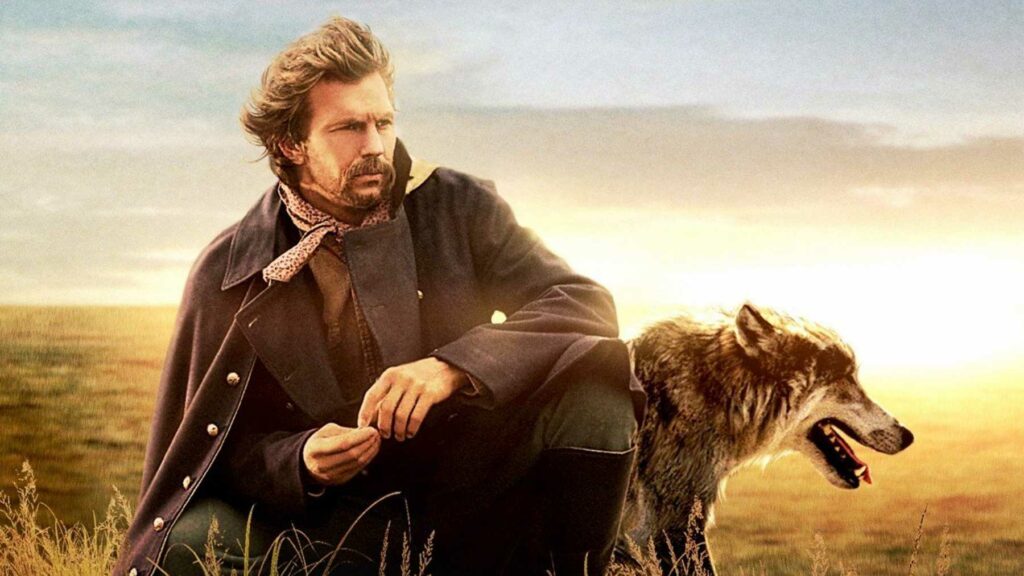
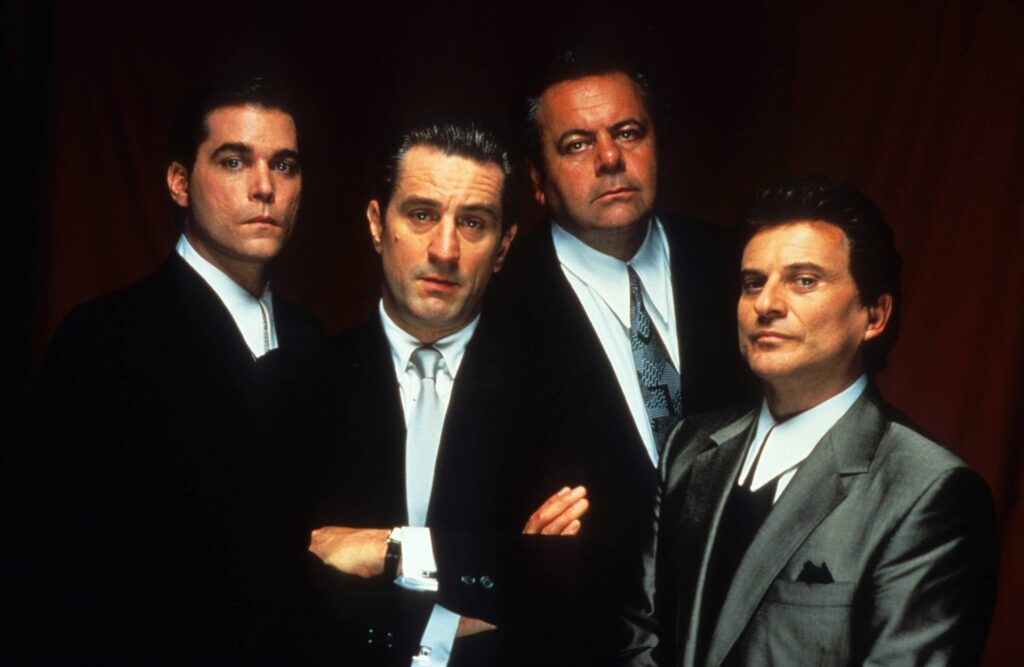
Dances with Wolves is a fine film. It’s ambitious and it has a heart. That’s great and all, but this is one of those wins that you look back on retroactively and scratch your head. How is it that Goodfellas, often considered one of the greatest movies of all time, only took home one Oscar (Joe Pesci for Supporting Actor)? Hindsight is 20/20, but I truly believe Goodfellas should have won in the three aforementioned categories that Wolves won. I will come to Wolves’ defense and say that its Cinematography win was well deserved.
Braveheart over Apollo 13 for Best Picture (1995)

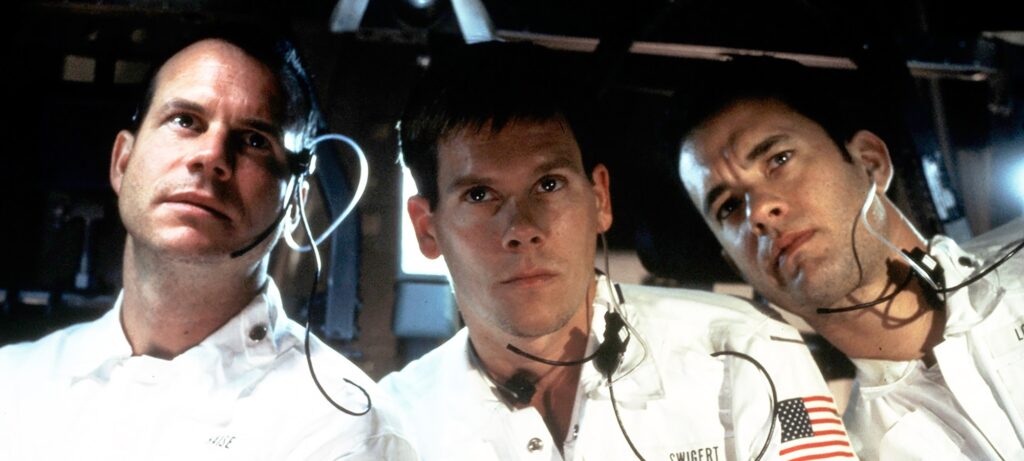
I can see why people like Braveheart. It’s an inspirational story about hope and rebellion, but I think Apollo 13 was the better movie. It may not be about rebellion, but it is an inspirational and exciting film about hope, ambitions, and the triumph of the human spirit. It did win for its kinetic energy. One of the film’s editors, the late Mike Hill, is also from Nebraska, so that is a plus in my book.
The King’s Speech over The Social Network for Best Picture and Directing (2010)
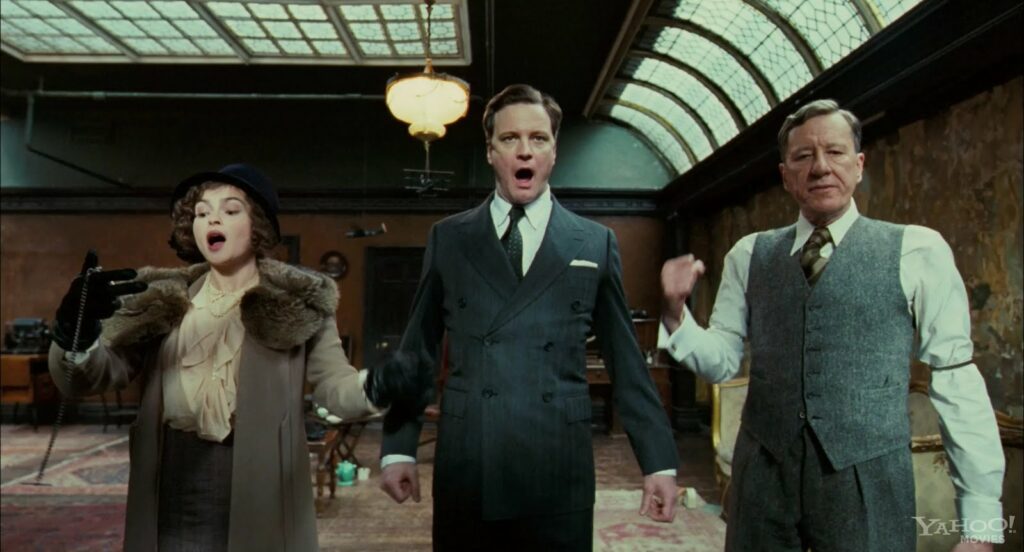
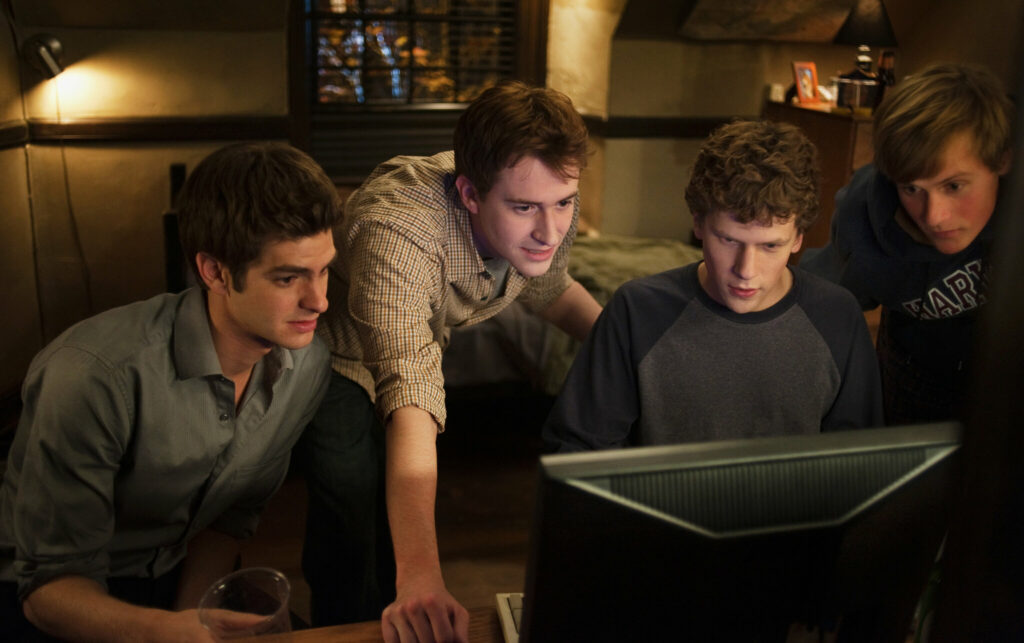
The King’s Speech is a good movie. If it was made ten years earlier, I don’t think anyone would have batted an eye if it won Best Picture. It just so happened that it came out in 2010, a year stacked with excellent nominees including The Fighter, Inception, Toy Story 3, and presumed frontrunner, The Social Network. I am team Social Network all the way. What seems like a film about the creation of Facebook on the surface, is actually a cutthroat story of friendship and betrayal, with themes going as far back as Shakespeare. The film also stands the test of time, becoming more relevant now than ever. I don’t hear anyone talking about The King’s Speech in 2024. I am thankful that Social won trophies for the powerful score, editing, and Aaron Sorkin’s superb, breakneck screenplay.
The Artist over The Descendants or Moneyball for Best Picture (2011)
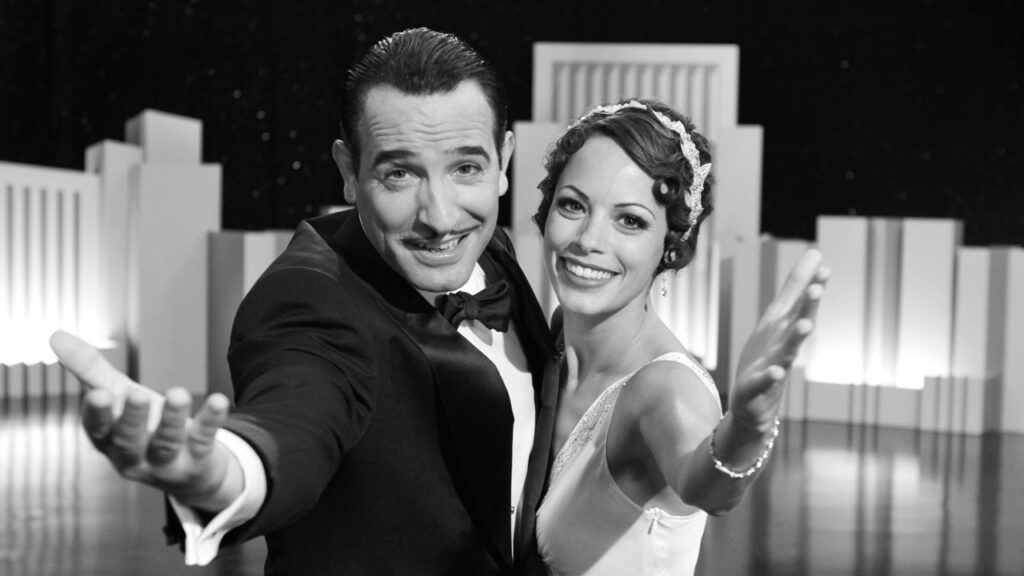
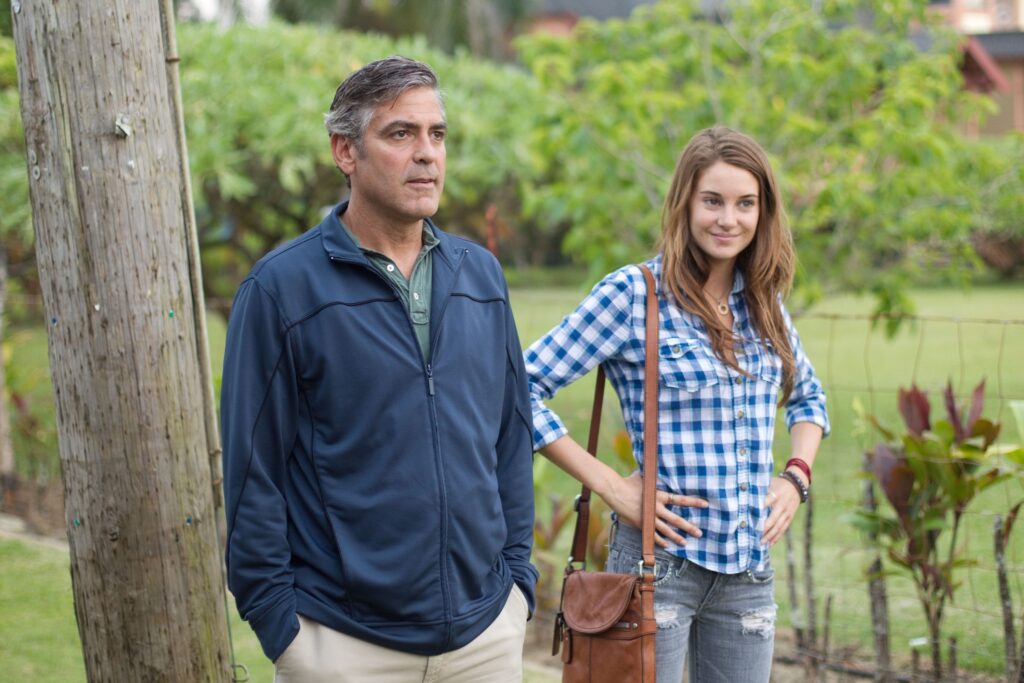

The Artist seems more like a fad than a lasting film to me. It made waves for being a black-and-white silent film made in 2011, nearly twenty years after the last major black-and-white film (Schindler’s List). I don’t think any of the Best Picture nominees of that year are that memorable. Examples include the forgettable War Horse, The Tree of Life, Hugo, Woody Allen’s Midnight in Paris, and the critically panned, Extremely Loud & Incredibly Close. I think The Help is the nominee most remembered today. I haven’t seen The Help, so I cannot comment further, but I think either Moneyball or The Descendants could have been worthy of the top prize.
The Shape of Water over Three Billboards for Best Picture (2017)
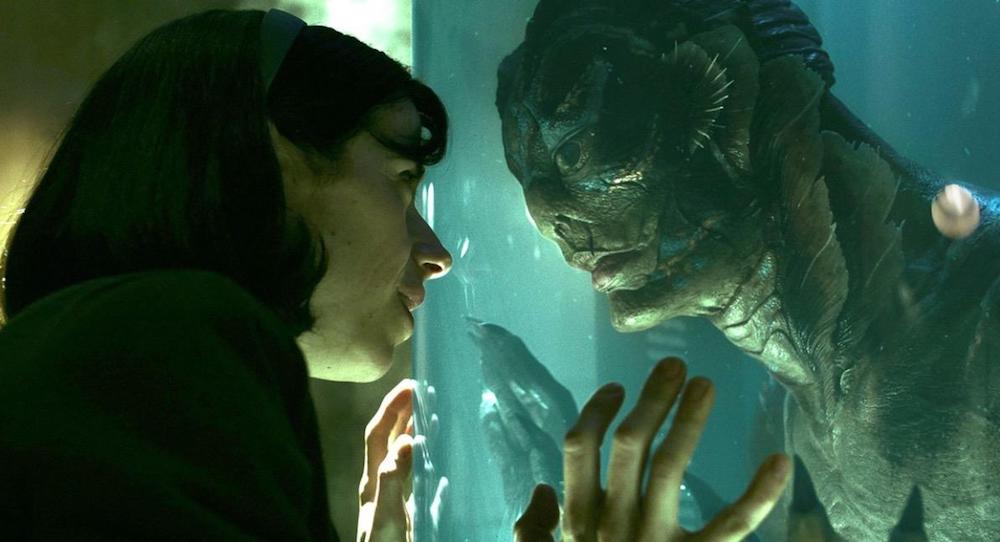
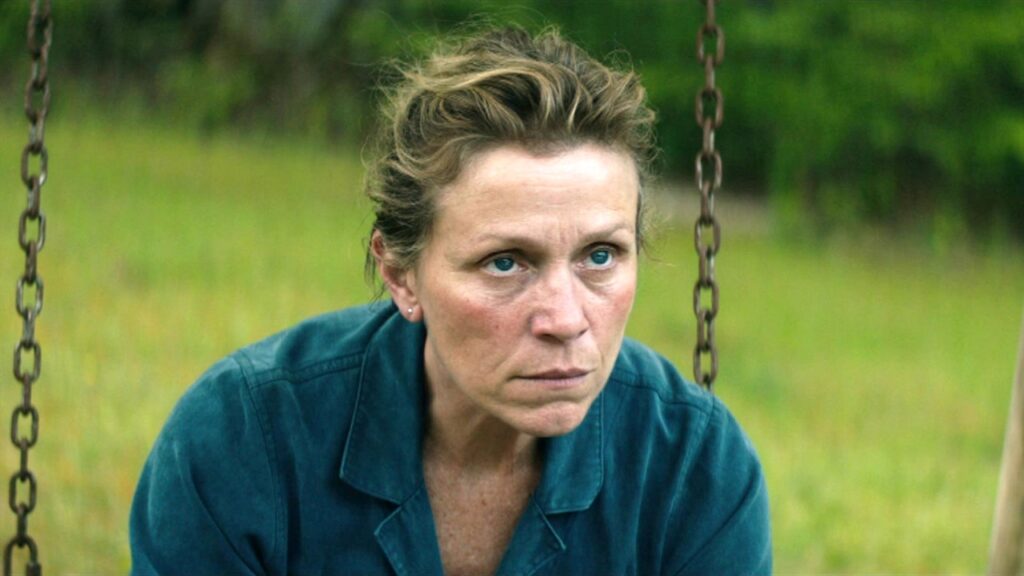
A movie about a woman falling in love with a fish creature won the Academy Award for Best Picture. Sounds crazy, but it did happen. There is a ton of heart and adventure in The Shape of Water. I’m not saying that I disliked Water I think it was deserving of its Oscars for Score, Production Design, and Guillermo Del Toro’s directing. My favorite film of 2017 was Three Billboards Outside of Ebbing, Missouri, and I would have loved to see it win Best Picture. I would love to have seen writer/director Martin McDonagh take home the prize for Original Screenplay, but I think Jordan Peele (Get Out) was also a deserving recipient. I am thankful that Frances McDormand and Sam Rockwell won Oscars for their powerful performances.
Nomadland over The Trial of the Chicago 7 for Best Picture (2020)

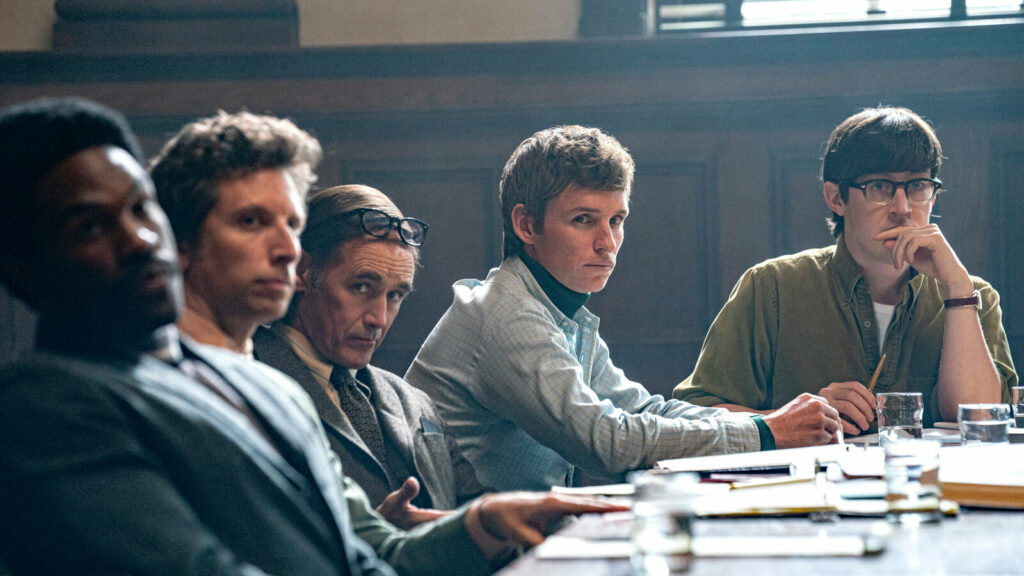
I am going to start by saying that I would never want to relive 2020. It was a horrible year of isolation. You all know that. This was the weird COVID year where release dates were constantly shifting, streaming services like Netflix and Prime were acquiring theatrical films for their platforms and Warner Bros. released films in theaters and HBO Max on the same day (much to Christopher Nolan’s chagrin). The year gave us powerful social dramas like Judas and the Black Messiah and Promising Young Woman, as well as more intimate dramas like Minari and Sound of Metal. One of those more intimate dramas was Nomadland. Again, I’m not saying Nomadland was a bad film, it just wasn’t my kind of film. It was slowly paced and did not hold my attention. My favorite that year was The Trial of the Chicago 7. There may be a bias involved since I was going to school in Chicago at the time of the movie’s filming and release, but it also felt timely. When I was writing my upcoming series on comedic actors who made successful dramatic turns, I remembered Sacha Baron Coen’s performance as Abbie Hoffman. When I went back to watch the film for the first time in three years, I was still as engaged and even infuriated (in the best way possible) by the film. I thought maybe with some time, my opinion would change. I was wrong. I stand by my initial thoughts.