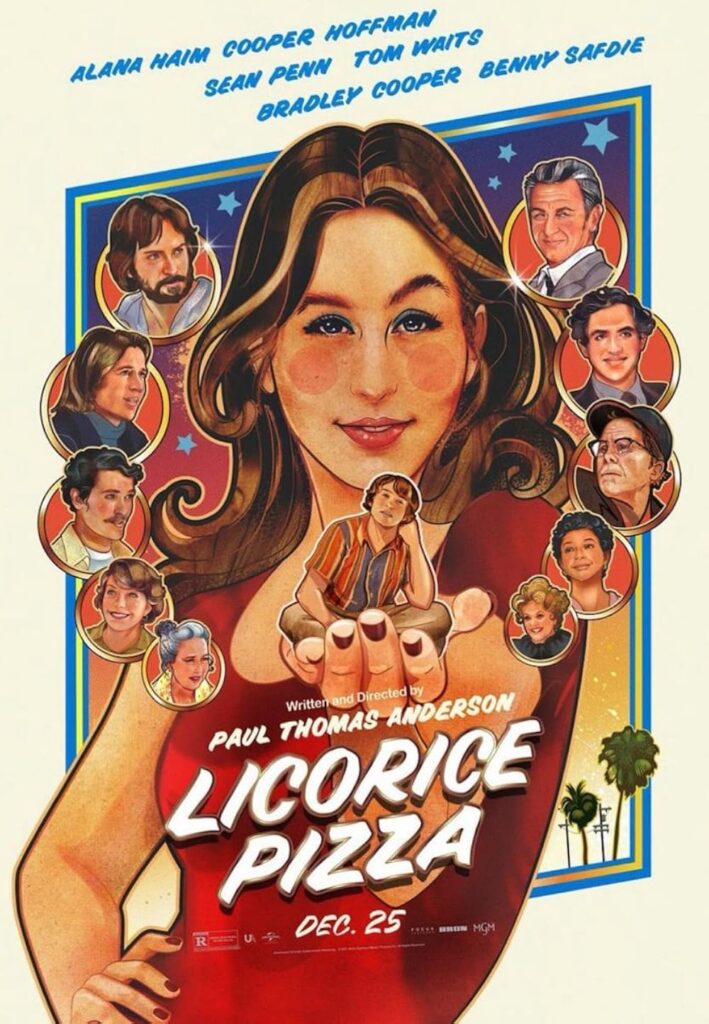
We’ve reached our second most recent Anderson film, 2021’s Licorice Pizza. The film stars Alana Haim and Cooper Hoffman (in their film debuts) alongside an ensemble cast that features Sean Penn, Tom Waits, Benny Safdie, and Bradley Cooper. Set in 1973, the film follows the relationship between a teen actor/entrepreneur and a directionless woman. Despite all the acclaim, this is perhaps the film I go back and forth on the most. As always, a spoiler alert is in effect.

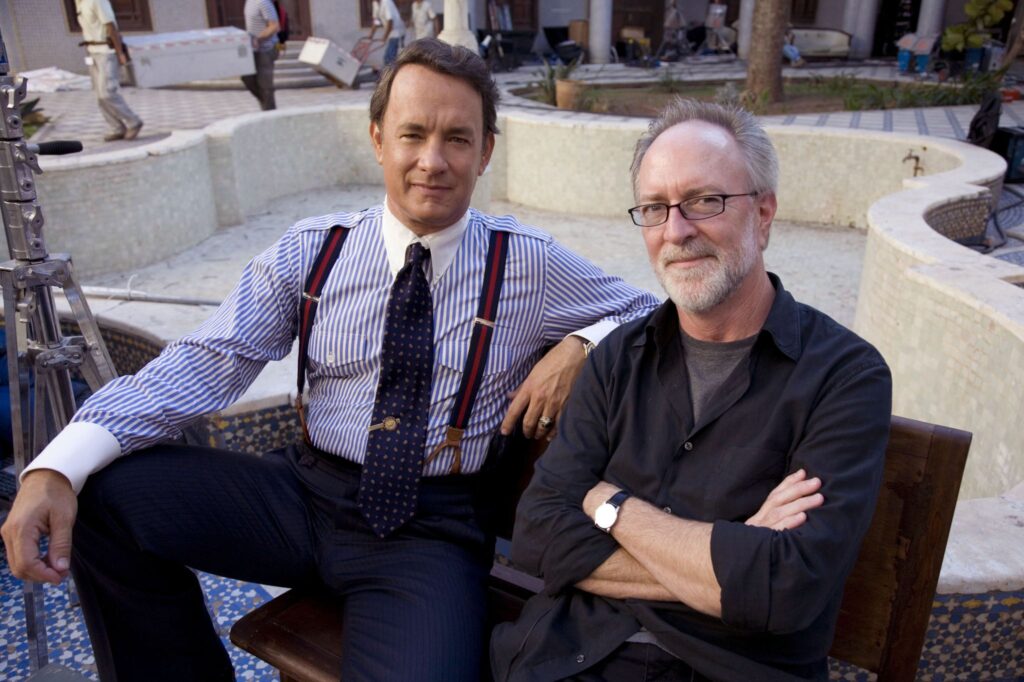
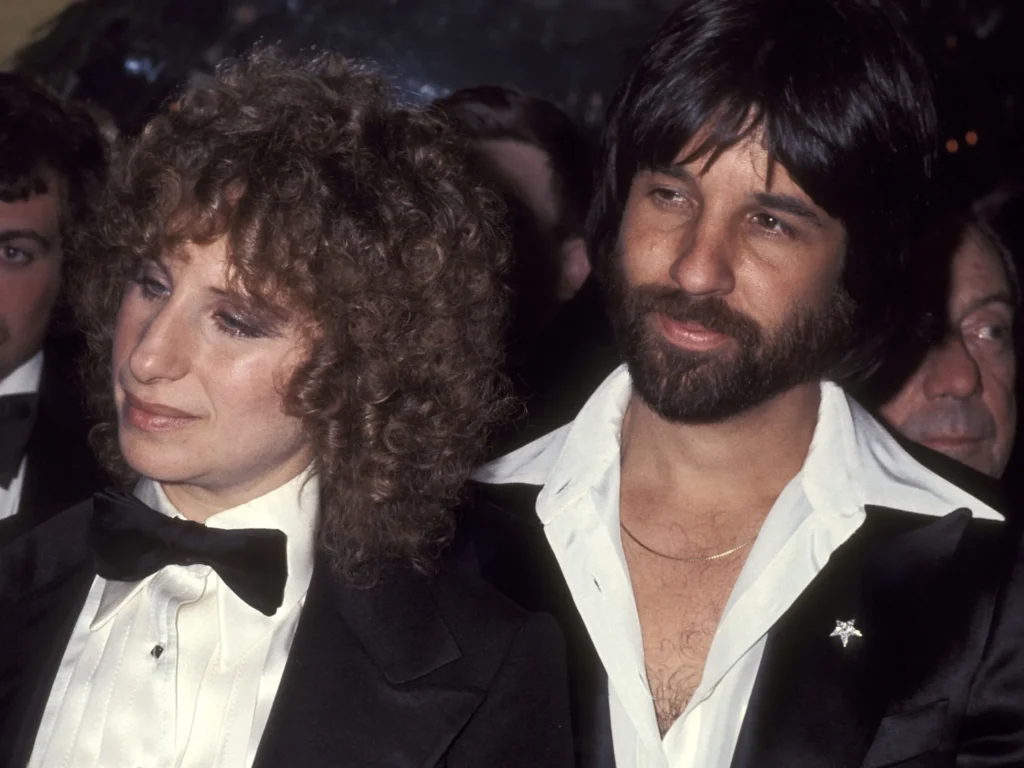
Like many of Anderson’s films, the origins come from different sources. The first seedling of an idea came in 2001 when Anderson walked past a Los Angeles middle school on picture day and saw one of the students attempting to flirt with the older, female photographer. He then wondered what would happen if a relationship formed? The bulk of the film seems to be inspired by the life of Gary Goetzman. A former child actor, he appeared with Lucille Ball in Yours, Mine, and Ours and on The Ed Sullivan Show. As a teen, he had started a waterbed company, delivered a bed to Jon Peters’s home, and started a pinball arcade. As an adult, Goetzman began producing and formed PlayTone Productions with partner Tom Hanks. Anderson got permission from Jon Peters to create a character based on him, so long as he used his favorite pick-up line. Peters, a hairstylist (later turned movie producer), was known for his aggression and love of pursuing women. “I get all the tail because I love it,” he tells Gary. The title comes from the name of a record store and the two items that brought Anderson back to childhood. He said it was a catch-all for the overall feeling of the film.
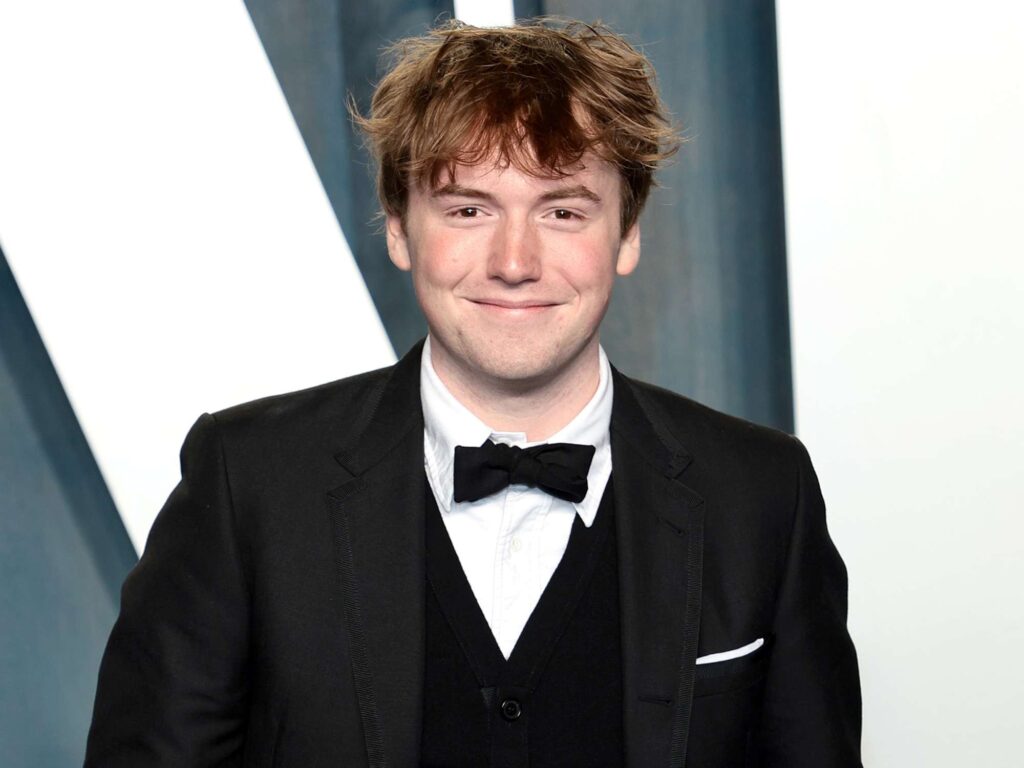
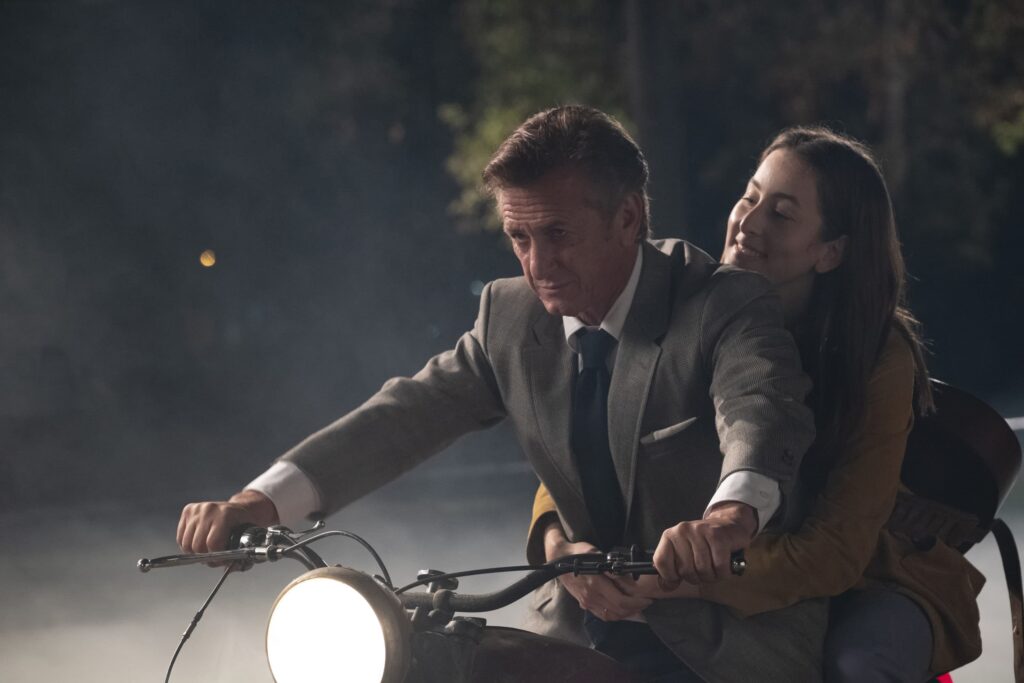
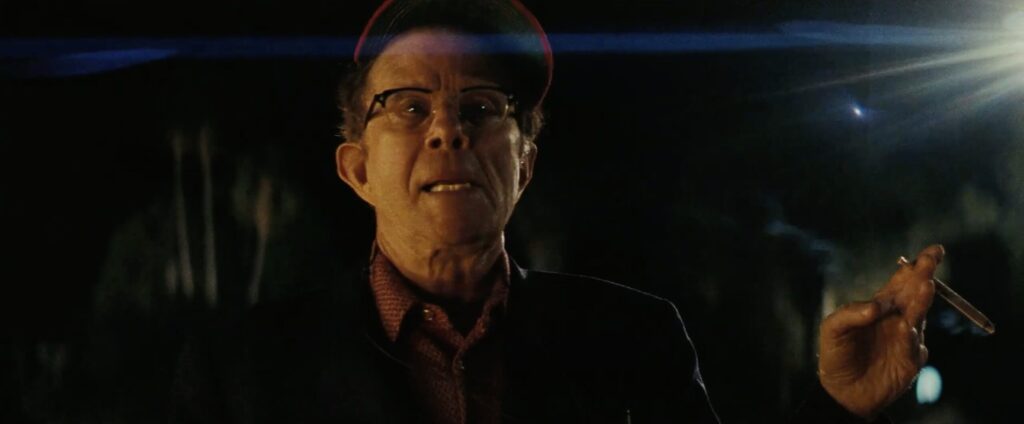
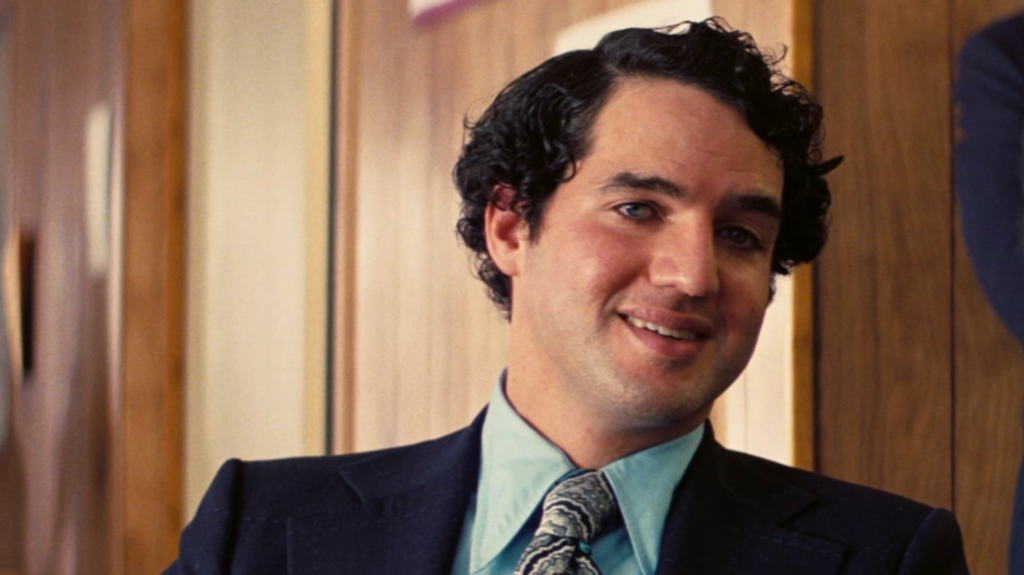
Having directed music videos for Haim, the band featuring a trio of the Haim sisters, Anderson wrote the lead role of Alana with Alana Haim in mind (in case you couldn’t tell by the character’s name). He offered her the role back in the summer of 2019, and despite her inexperience as an actor, she would call Anderson her biggest supporter. Cooper Hoffman was cast late in production after the actors auditioning were deemed too polished, not natural enough to match Haim’s naturalistic acting style. Though he had no plans to become an actor initially, Hoffman later took the role. Cooper Hoffman is the son of the late Philip Seymour Hoffman, a frequent collaborator of Anderson’s. Other cast members include Sean Penn as actor Jack Holden, Tom Waits as director Rex Blau, Bennie Safdie as congressman/mayoral candidate Joel Wachs, and Bradley Cooper as Jon Peters. Additionally, Anderson’s “wife,” Maya Rudolph, appears as a casting agent, and their four children each appear. Even two of Steven Spielberg’s daughters have cameos.
Filming began in August 2020 under the working title of Soggy Bottom (luckily for us all, they changed that). Focus Features, which had produced Anderson’s Phantom Thread, agreed to finance the film. However, before filming, Focus Features brought MGM on as a co-producer and distributor to minimize any financial loss brought on by the COVID-19 pandemic. Anderson reunited with Jonny Greenwood, of Radiohead, to compose the score. Like Phantom Thread, Anderson and Michael Bauman shared Director of Photography duties, though they were credited as such. This is the first film since Boogie Nights that longtime collaborator Joanne Sellar didn’t serve as producer. Sellar and her husband, Daniel Lupi, another Anderson collaborator, served as executive producers. Producing the film with Anderson was Sara Murphy, who started as assistant to Philip Seymour Hoffman, and Adam Somner, who served as first assistant director and executive producer on each of Anderson’s films since There Will Be Blood.
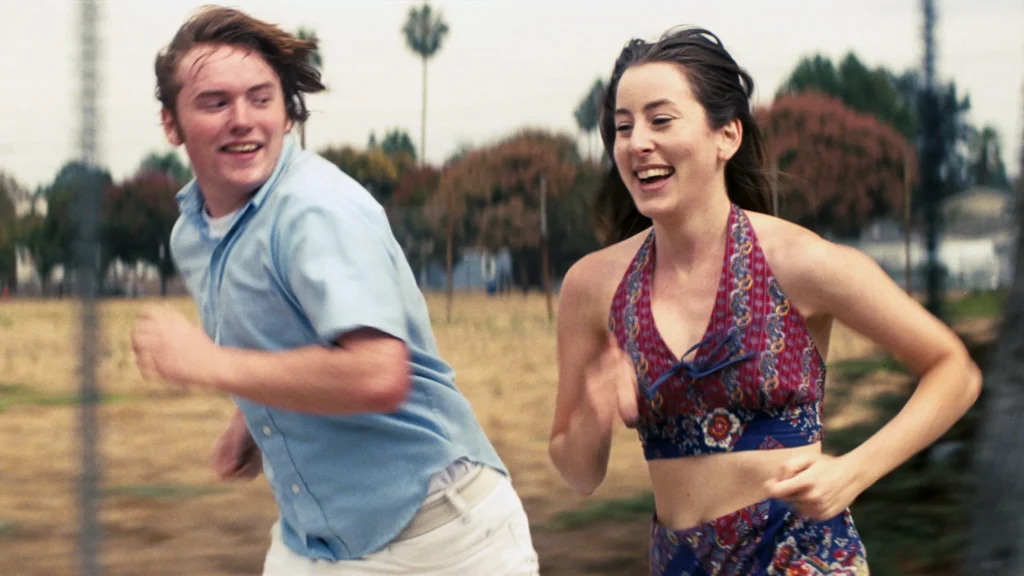
I said I go back and forth on this film at the beginning of the post, because I feel like I have a different reaction every time, and I’ve probably seen it four times. I saw the film in theaters and thought it was boring and meandering. When it started streaming, I probably watched it twice more and felt similarly. However, I did find something to like each time. The first re-watch was the intricate production design. The second re-watch was the soundtrack. I re-watched it again recently in preparation for this post, and all the elements came together. Don’t get me wrong, I still have a few (pretty big) issues, but I liked it more than I remembered. Overall, my favorite thing about the film is the vibe. Setting a film in 1970s Los Angeles isn’t new territory for Anderson. It’s all about perspective. Boogie Nights showcased 1970s Los Angeles through the eyes of adult film stars, and Inherent Vice, the world of stoners and cops. This is Anderson’s first actual coming-of-age film. The characters that occupy this world are as varied as a seasoned child actor, an eccentric hairdresser, a closeted congressman, and a young woman searching for direction in life. The world-class production design, paired with the popular music of the time, transported me to 1973 Los Angeles.
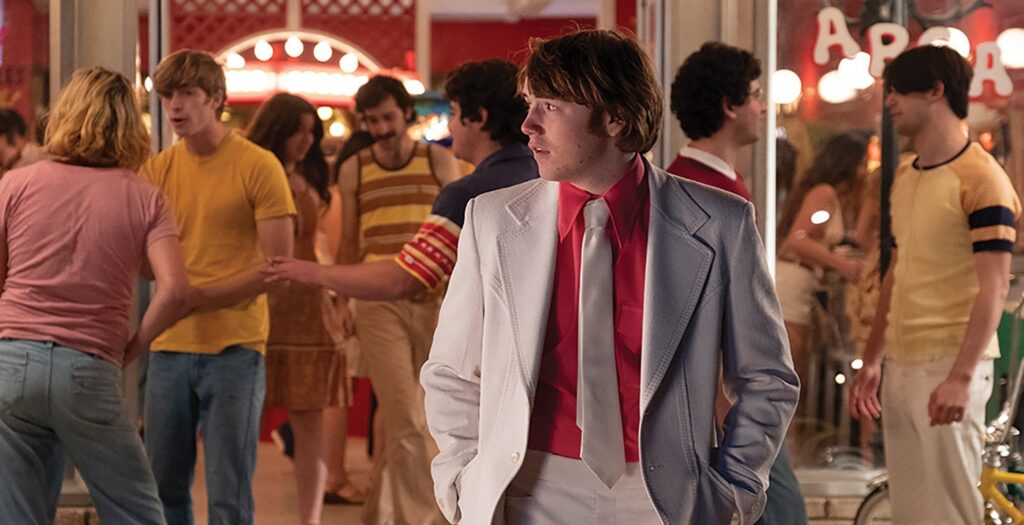
I stand by what I said. I think “meandering” is the perfect word to describe the plot. There’s not much of a beginning, middle, or end to the film. On my first viewing, I had an issue with that. It just felt slow with no ending in sight. After my subsequent viewing, I felt the same way, but then I thought, That’s the same structure of Boogie Nights and I love that film, as well as Magnolia and The Master, so why am I surprised by that? Once I surrendered to the idea that there wasn’t a typical story structure during viewing four, something inside me changed. I became more engaged when I realized that the film was meant to be viewed as a series of interconnected scenes designed to provoke a vibe or a feeling, rather than a straightforward linear narrative. I sat back and watched these character-based vignettes that Anderson presented to me. It didn’t matter that there was no definite start or end point. I finally understood the film’s purpose was to be immersed in the time period with those characters – essentially to be a fly on the wall.
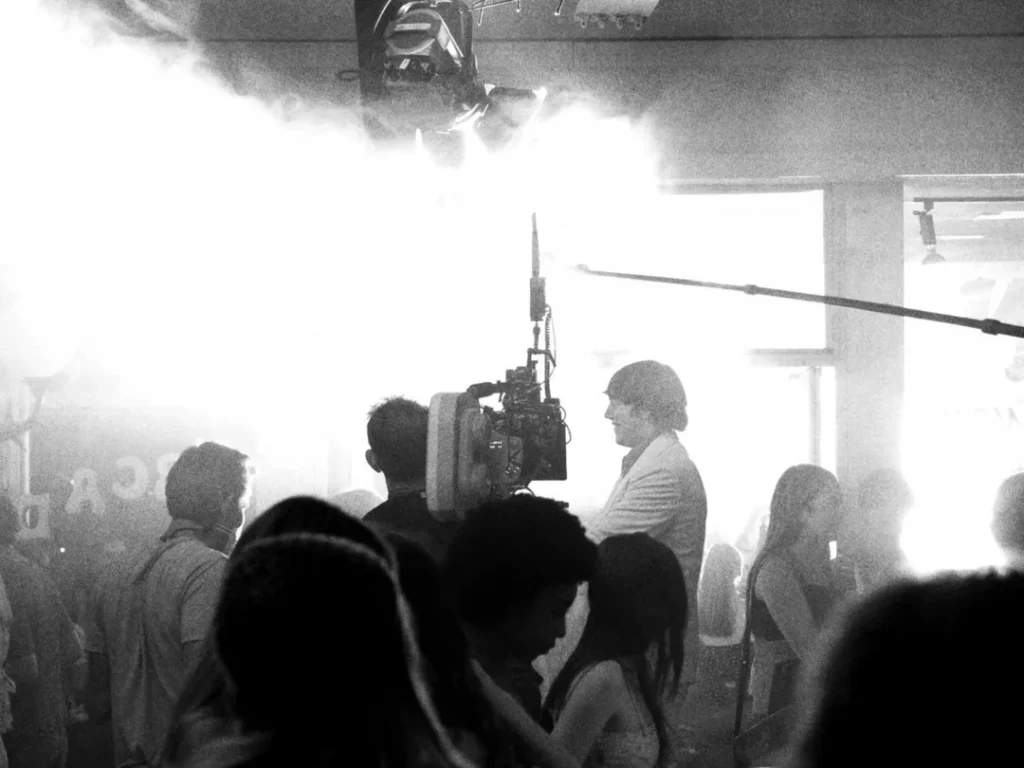
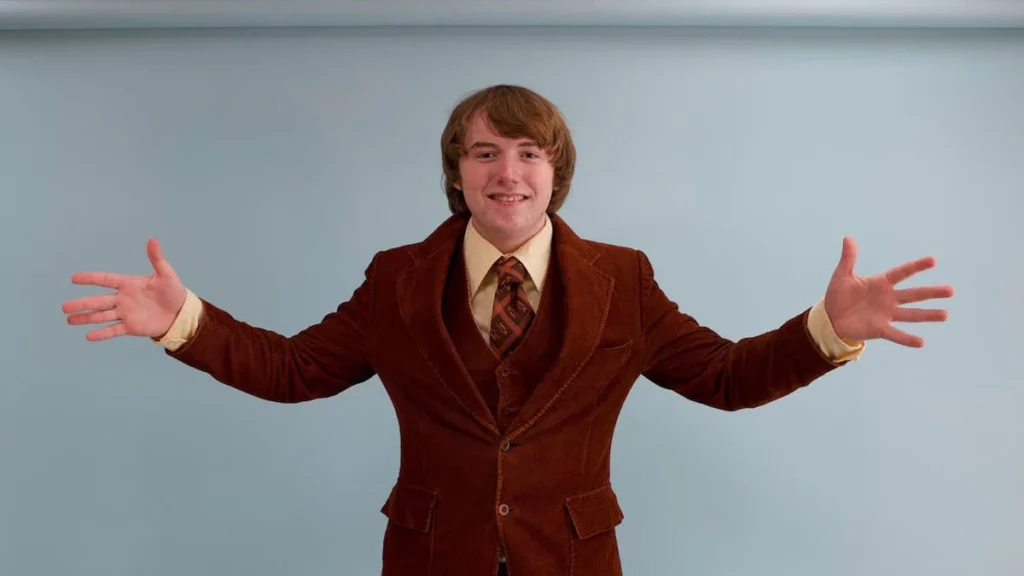
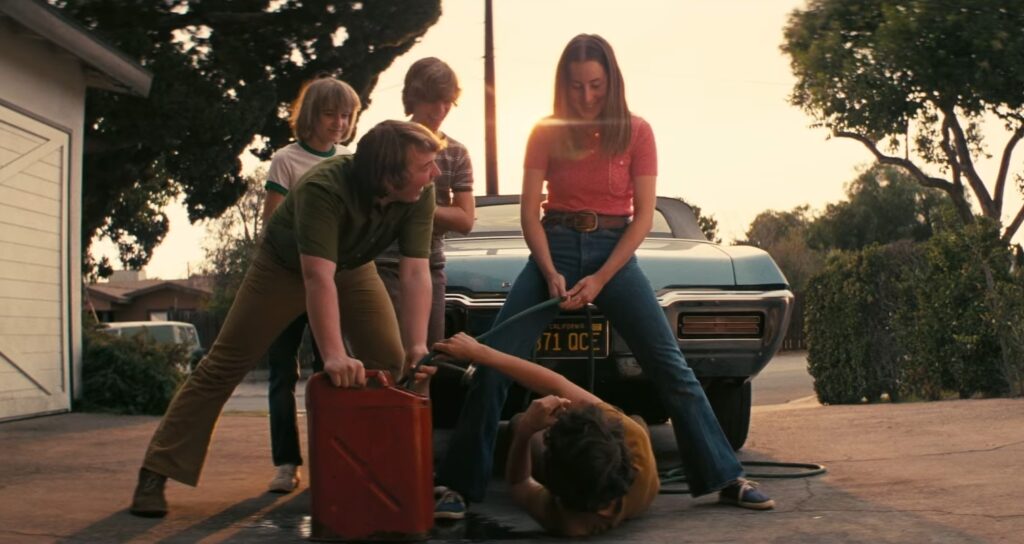
I must praise the performances of Hoffman, Cooper, and especially Haim. For their film debuts, Haim and Hoffman bring a rawness and spontaneity to their roles, as Hoffman is at once funny, charming, and ingenious. He’s a mini-entrepreneur, starting at different points, a waterbed company, and a pinball arcade. He tries to be suave by flirting with Alana and saying they’re meant to be together, which she does not reciprocate or appreciate. At other times, Gary’s immaturity shines through. At the water bed store launch, he ignores Alana and instead makes out with a classmate his age. He makes sexual thrusting gestures while filling up the moving truck with gas. He gets upset at Alana when she says during a meeting with Gary’s agent, that she’s open to nudity, yet won’t show him, her “best friend,” her boobs, but would show strangers. Similarly, he gets upset with her when she puts on a sexy, almost seductive tone to sell a customer a waterbed, despite him initially encouraging her to do so. His immaturity is on full display when he makes a crude, sexual innuendo on national television, much to the chagrin of the host.
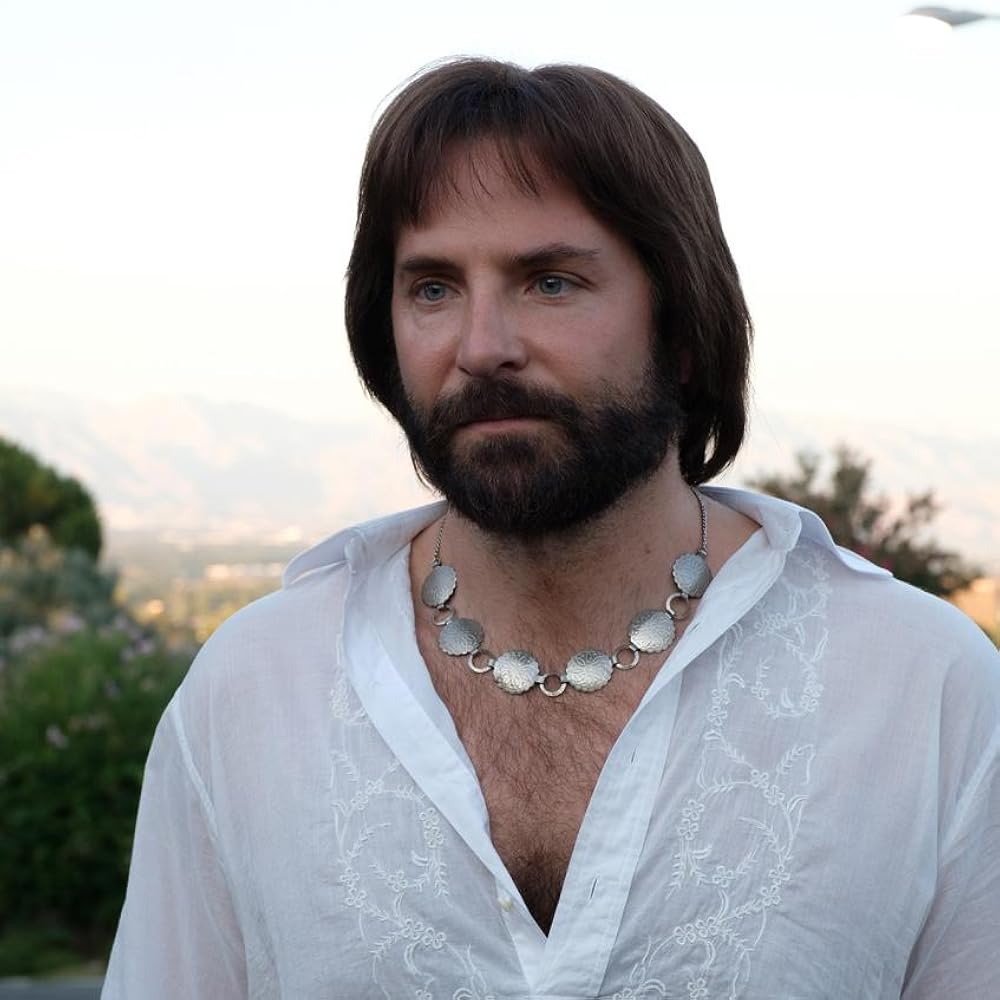
Cooper, who had wanted to work with Anderson for years, steals the show every time he is on screen as Peters. He’s clearly (at least to him), a big deal. He walks around in white satin, sporting a thick beard and pucka shells, and tells everyone about his girlfriend, Barbara Streisand. When they arrive to install the water bed, Peters runs late to pick up Streisand for a movie, reluctantly allowing Gary and the crew to install the bed while he is gone. He half jokingly threatens Gary if anything should happen to his house. This uncertainty leads Gary and Alana to leave the hose running in Peter’s house to get back at him for threatening them. As they prepare to leave, Peters storms up the hill into his house, criticizing his assistant for not getting gas. He has Gary and Alana drive him down to the Shell Station with a gas canister. Realizing that the line is too long, he commandeers a pump, holds out a lighter, and aims the nozzle right at it, threatening to set the place on fire unless the person he cut acquiesces. Of course, he does. Not happy with what they’ve seen, they drive past his abandoned car, allowing Gary to smash in the windshield with a baseball bat. Of course, the truck won’t start after that, forcing Gary and his crew to push the van down the hill to get the engine started. The group can make a getaway before Peters knows what happened.
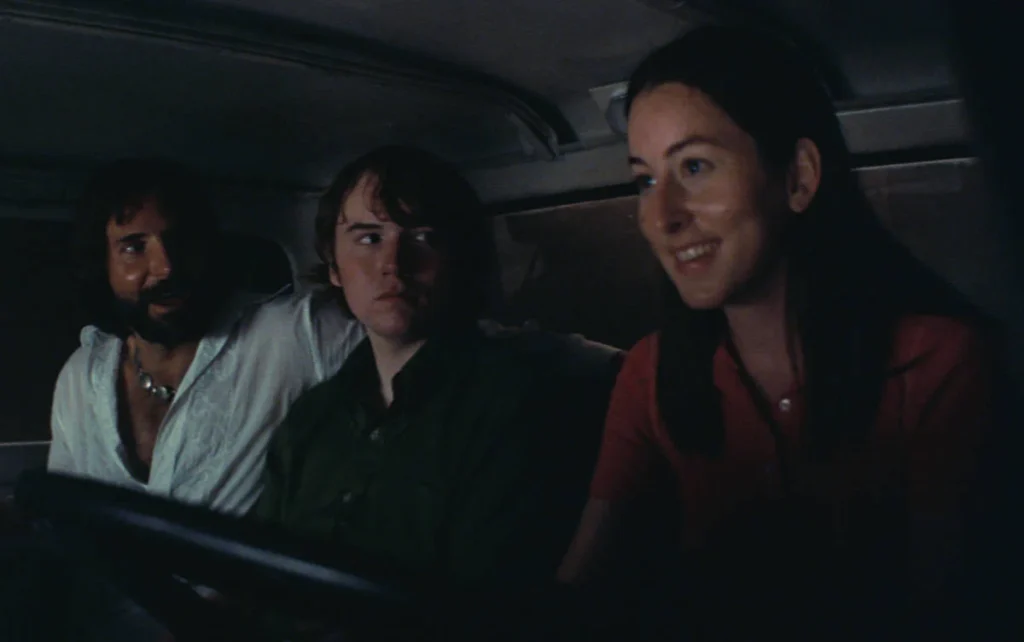
As Peters, Cooper is charming, angry, and frankly, mentally unstable. He yells at a child and threatens to blow up a gas station. In one scene, after realizing that his car was beat up, he walks down the street, past Alana sitting on the curb (whom he does not recognize). Walking down the street, he yells and throws a trash can. He walks out of frame, passing two beautiful young women going in the opposite direction. He does a double-take and, almost without thought, tracks backwards and begins flirting with a woman. When he hitches a ride from Gary and Alana in the truck, he tells Alana that she doesn’t want to be responsible for hitting his car. As the truck approaches the vehicle, Peters hovers over Alana, grabs the wheel, and looks into her eyes flirtatiously. Though he may have had only ten minutes of screentime (if that), there was speculation that Cooper might have earned a Best Supporting Actor Oscar nomination, though that never happened. Ironically enough, Peters was a producer (in name only) on Cooper’s 2018 directorial debut, A Star is Born. This is because he produced the Streisand-led remake and retained the rights. Cooper insisted that the producer stay away from the set, due to his documented history of unprofessional behavior. Just a little inside knowledge there.
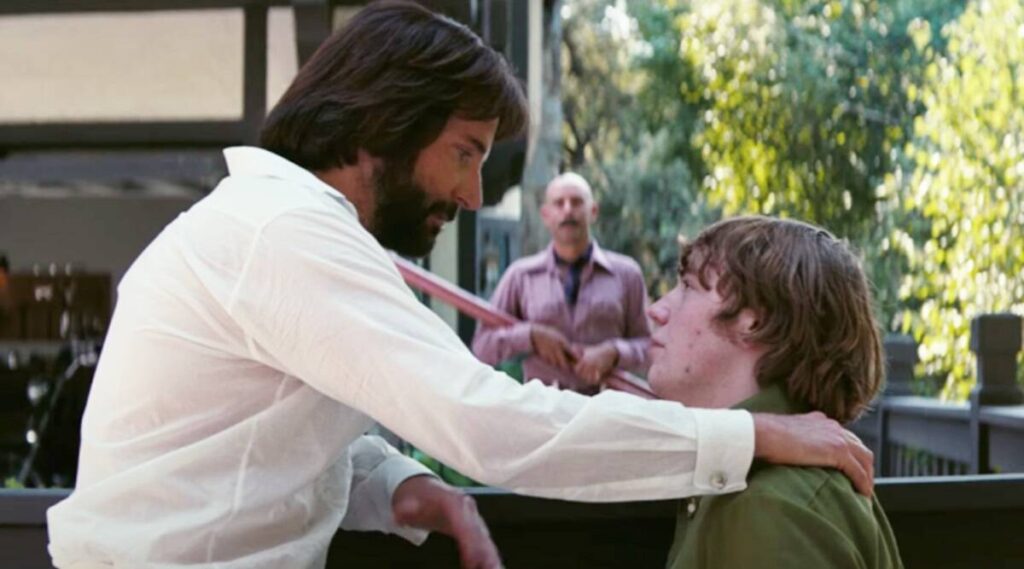
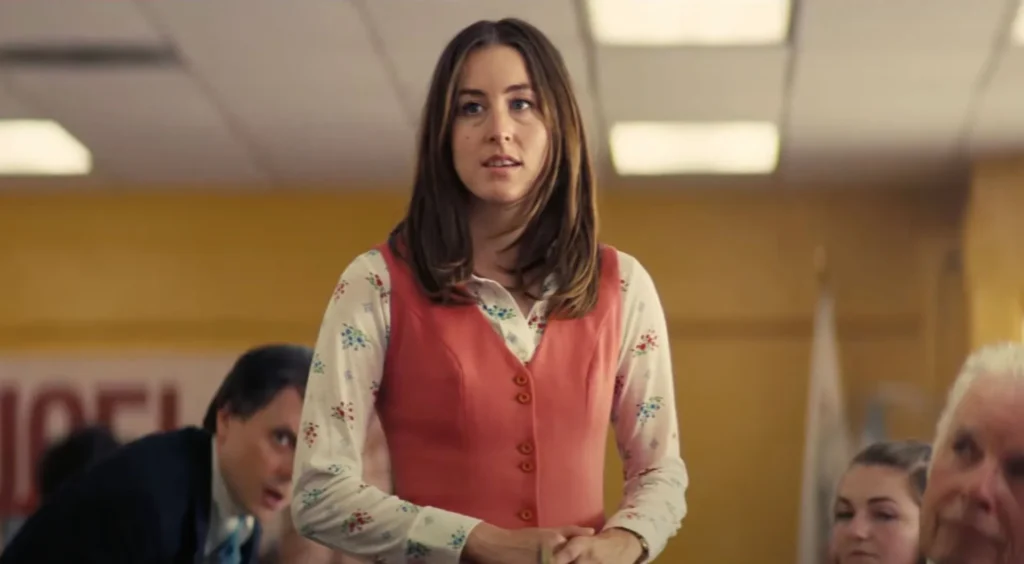
Haim, as Alana, is filled with mixed emotions. As the film starts, she works for Tiny Toes, a school photo company, and hates her job. She lives with her overbearing family, including father Moti, mother Donna, and sisters Este and Danielle (all real members of the Haim family). She’s annoyed with Gary during their first interaction at the school, but against her better judgment, agrees to meet him at a restaurant later that night. Despite initially being annoyed, she doesn’t stay away from him. If anything, she begins to spend more time with him, as she becomes intrigued by his personality. As her friend, Gary opens doors for her. At one point, he brings her along to New York as his chaperone to appear on a talk show. He also gets her a meeting with his manager. That gets her an audition with veteran actor Jack Holden, which leads to an awkward date, culminating in Holden performing a crazy motorcycle stunt. Most importantly, Gary brings her in as a business partner in Fat Bernie’s Water Beds. While the business thrives initially, it quickly goes under after the production of beds is impacted by the national oil embargo.
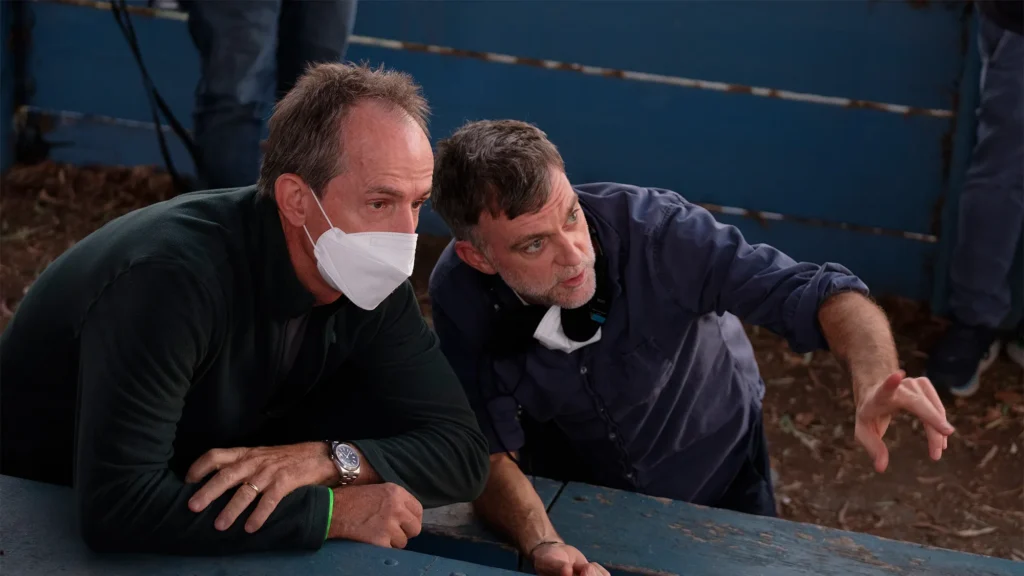
As charming and likable as Alana can be, she can be rude. She often speaks down to Gary, reminding him that he is a child. When she learns of the oil embargo, she chastises Gary for not paying attention to the news and calls him an idiot for not knowing that water beds are made with oil. In the character’s defense, I didn’t know that either. After the water bed business goes under, she decides she needs to do something serious with her life. She ends up volunteering for Joel Wachs’s mayoral campaign. Gary, of course, follows along and ends up taping commercials for him. When he overhears Wachs talk about how Los Angeles will legalize pinball for the first time in over thirty years, he quickly acts to open a ping pong arcade. When she hears this, she berates him for being around a great guy (Wachs), and his takeaway was that pinball would be legalized.
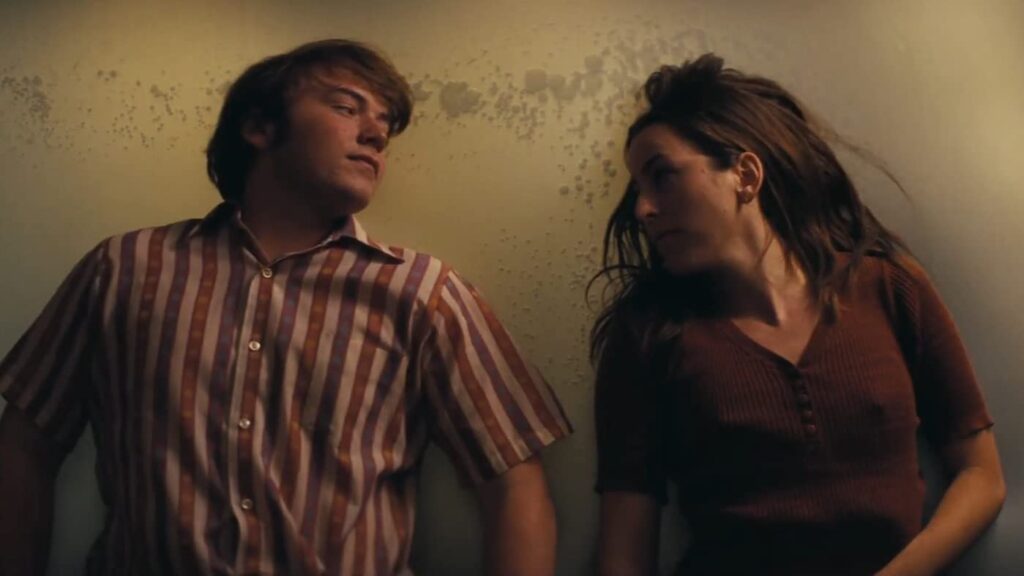
As cold as she can be, much of her anger comes from her deep insecurities in life and love. She seems to live in the shadows of her sisters, who have steady careers and are following in their parents’ footsteps. She appears to be the black sheep of the family. She falls for Gary’s 18-year-old co-star, Lance. Things seem to be going well until she invites Lance over for a Shabbat dinner, when he reveals that while he was raised Jewish, he is actually an atheist. Her sisters laugh at the fact that she brought an atheist to dinner, but her religious parents are not happy. Enraged at this fact, she breaks up with Lance. Later, when volunteering on Wach’s campaign, the congressman asks to spend time with her. She has grown affectionate towards him and thinks he feels the same way. She’s thrilled to be invited to an after-hours dinner with Wachs. However, we see her heart break when she discovers that not only is Wachs gay, but that she was brought along to walk Wachs’ boyfriend home, to avoid speculation about his sexuality in the press. After denying her feelings for Gary for most of the film, this experience with Wachs makes her realize how much she likes and misses him. She tracks him down to the pinball machine and they share a kiss, before the film ends.
That kiss is a nice segue into my biggest issue with the film. There were two slight pieces of controversy when the film was released. The first is when the character actor, John Michael Higgins, who owns a Japanese restaurant, talks to his Japanese wife in a thick Japanese accent. That’s certainly not cool, but that isn’t my biggest issue with the film. My biggest issue is the age difference between the two characters. There is an eleven-year difference in real life between Cooper and Haim. In the film, Alana is 25 and Gary is fifteen. Alana knows it’s illegal for them to be in a sexual relationship, as she tells Gary that at the start of the film. As the film progresses, she asks her sister, “Is it weird that I hang out with Gary and his friends all the time?” When her sister doesn’t respond, Alana answers her own question. “I think it’s weird that I always hang out with Gary and his fifteen-year-old friends.”
I know that the film doesn’t depict them doing anything outright illegal, although Alana flashing her breasts at him is probably unlawful and definitely questionable; ending the movie with a kiss feels wrong. It feels wrong on a character level. Instead of Alana growing up, it’s almost as if she regresses by giving in to her feelings for Gary. It also feels wrong watching it in today’s light. It would be one thing if the film had been released ten years earlier, but for a movie released in 2021 to not only feature a relationship between an adult and a minor, but to romanticize it, is surprising. Maybe the film would have flown in a pre-Me Too era, but this just feels like a head scratcher to me. Anderson defended the decision, stating it was more appropriate for the time period. I do not doubt it’s true, but it’s still odd. That age cap between the characters ultimately prevents me from immersing myself in the film. While the age gap and “comedic” scenes of racism proved controversial, it eventually didn’t hurt the film too badly.
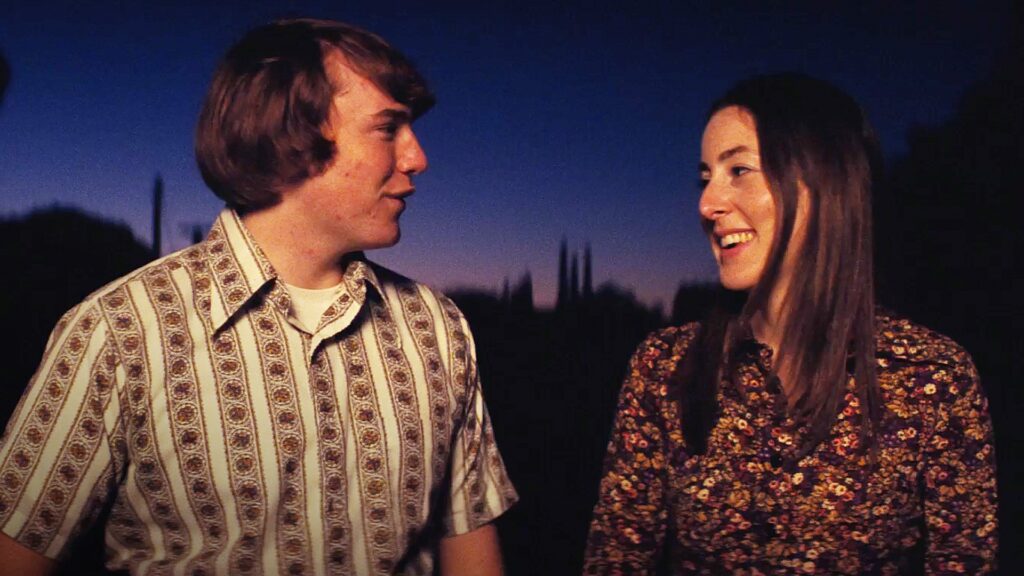
The film was released in December 2021 to glowing reviews. However, it lost money, grossing $33.3 million off a $40 million budget. Part of this loss can be attributed to the weak box office in the wake of the COVID-19 pandemic and the release of Spider-Man: No Way Home. The film earned three Academy Award nominations in early 2022, all for Anderson – Best Picture, Best Director, and Best Original Screenplay. It became the first film distributed by MGM to earn a Best Picture nomination since 1988’s winner, Rain Man. Cooper and Haim were nominated for Best Actor/Actress – Musical or Comedy at the Golden Globes for outstanding performances. Despite missing out at the Academy Awards, Haim was nominated for the Best Actress award at BAFTA (the British Oscars). Bradley Cooper was nominated for Best Male Actor in a Supporting Role at the Screen Actors Guild Awards.
The fact that I liked the film more on my re-watch makes me extra excited to view Anderson’s next film, One Battle After Another. I’m going to see this in theaters soon. So far, word of mouth has been overwhelmingly positive. I can’t wait to see it. Until then, thanks for reading.