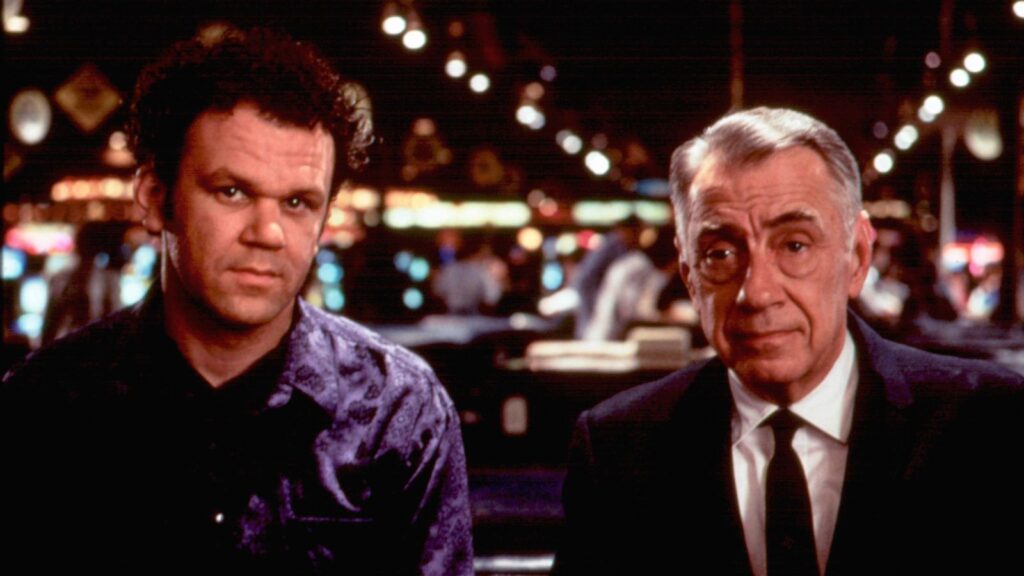
First, we have Anderson’s debut film, Hard Eight (aka Sydney). I will admit, writing about this is a bit odd. Odd in the sense that this was the last Anderson film (excluding One Battle After Another) I watched for this post, despite it being his first film. The reasoning is that it was not being shown in the theater and wasn’t on a streaming service, so I had to pay a couple of dollars to rent it on Amazon. With that little preamble out of the way, let’s get started. As always, spoiler alerts are possible.
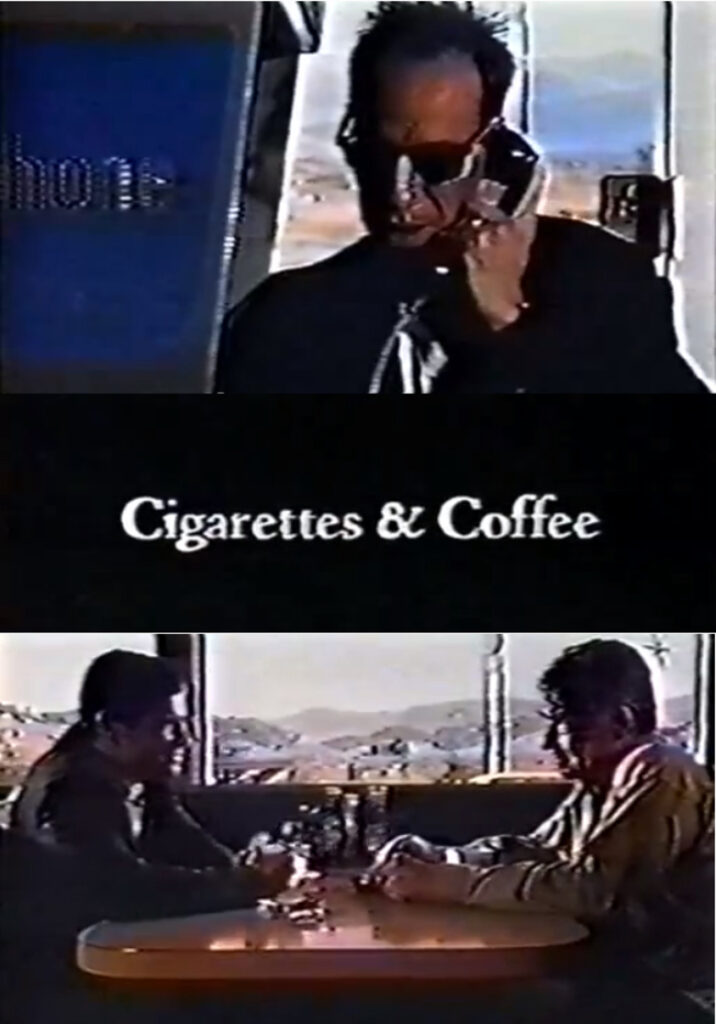
The film’s origin lies in a short film Anderson made in 1993 called Cigarettes and Coffee. The 24-minute-long short follows five people connected by a singular twenty-dollar bill. The scene in which an older man (Philip Baker Hall) sits across from a younger man (Kirk Baltz) in a diner, giving him gambling tips, appears in Hard Eight. Although the young man, John, is now played by John C. Reilly. The short film was shot on a budget of $20,000, $10,000 of which was donated by Anderson’s father, Ernie, from his son’s college fund. Anderson met Hall while serving as a production assistant, and Hall agreed to participate after being impressed by the writing. Using his connections, he could borrow a Panavision camera for free for a week, which was extended to six weeks. Since Anderson had a strong vision of what he wanted, it required fewer takes. The film was successful on the short film circuit and was accepted into the Sundance Film Festival Shorts. After it was screened, Anderson was invited to the 1994 Sundance Institute to develop it into a feature.
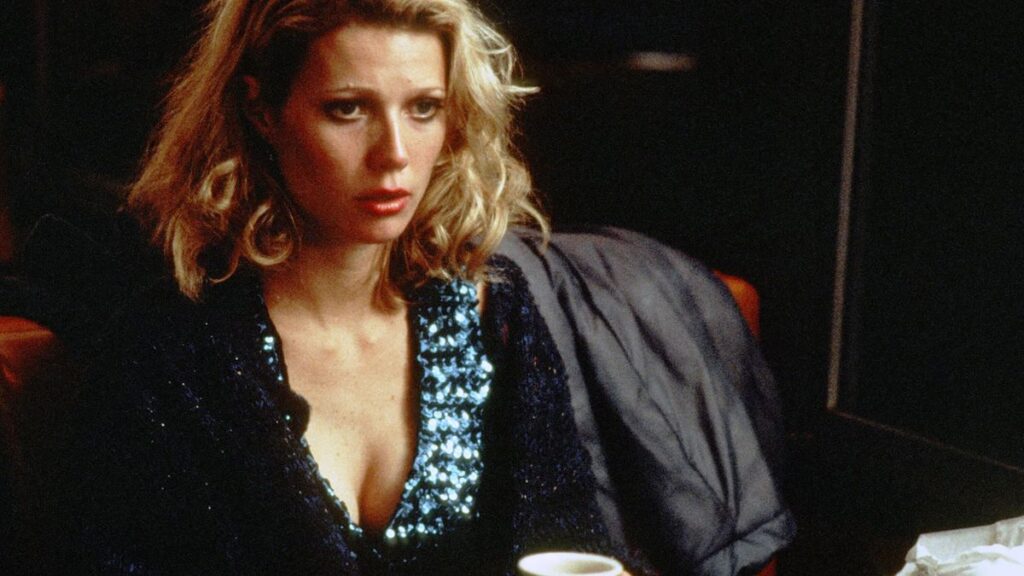
When developing the short into a feature, Anderson focused the film on the father-son relationship of veteran gambler Sydney and homeless drifter John. Sydney shows John how to “rig the system” in casinos. I use the phrase “rig the system” loosely. Sydney shows John how to make it seem like he’s spent more than he actually has and get his rate card to reflect that. For someone homeless, John has now spent enough time in the eyes of the casino to get comped free rooms. With the rise of digital play cards and the decline of actual coins and chips, at least at the casinos I’ve been to, this trick seems outdated by today’s standards, but for 1996, it was top-notch. Two years later, John is a pro on the Reno casino scene. Things become complicated for both men when a cocktail waitress named Clementine (Gwyneth Paltrow) enters their lives. Things take a turn for the worse when John, now a cocky hotshot, starts up a friendship with Jimmy, an untrustworthy security guard who knows a thing or two about Sydney’s past.

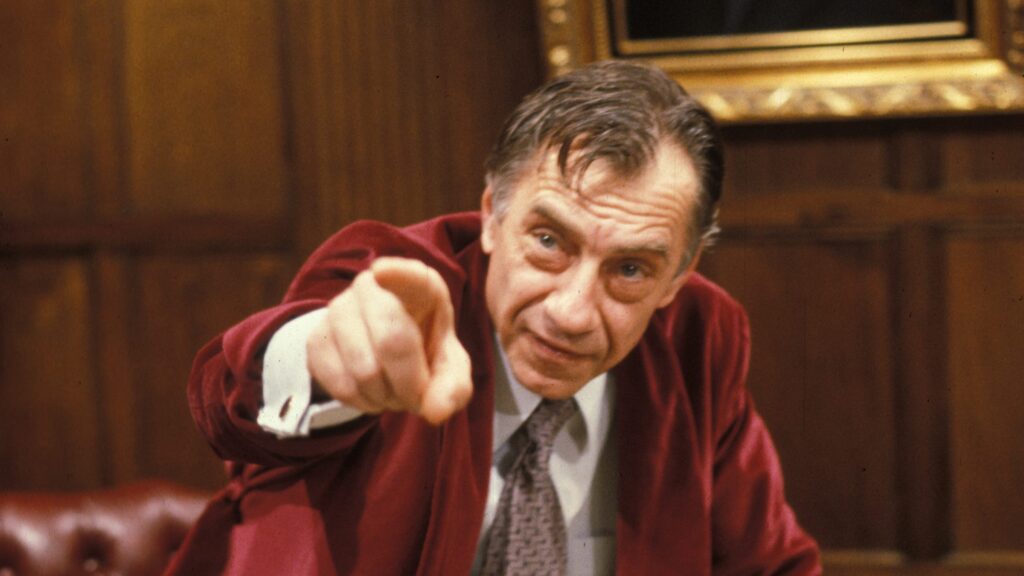
As mentioned, Anderson approached Hall while serving as a production assistant on a film. He wrote the role with Hall in mind for the lead role after seeing him in Robert Altman’s Secret Honor, a one-man movie in which he plays Richard Nixon. The character’s name, Sydney, comes from the character’s name in Midnight Run. Not much is known about the casting of the other three roles, so this is all speculation. Reilly gained a reputation as a strong character actor after appearing in films like Casualties of War, What’s Eating Gilbert Grape, and The River Wild. After a few small parts, Gwyneth Paltrow was coming off her most significant role as Brad Pitt’s wife, Tracy, in Se7en. Samuel L. Jackson was now a bona fide star after his Oscar-nominated breakthrough role of Jules in Quentin Tarantino’s Pulp Fiction.

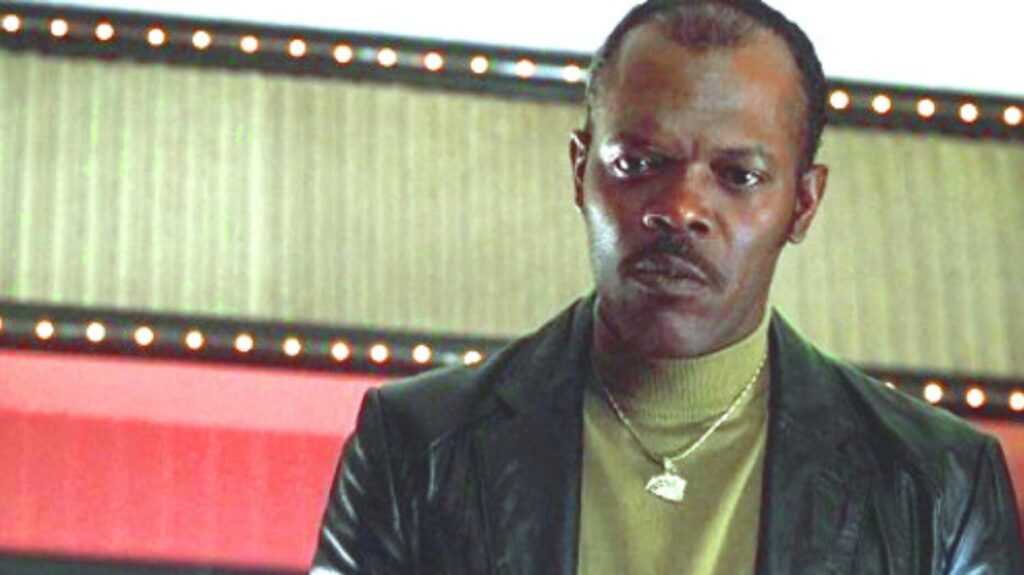
Anderson doesn’t often speak about the film, but it wasn’t pleasant when he did. For starters, the film’s release was held twice due to financial issues with the film’s distributor. When funding ran out, Anderson used funds advanced to him by New Line Cinema as a signing bonus for Boogie Nights to finish the movie. To add insult to injury, Anderson virtually had no control since it was his first film. Initially titled Sydney, the financier, Rysher Entertainment, was unhappy with the film’s first cut. As a result, they took it from Anderson, recut it, and retitled the film Hard Eight, against his wishes. After negotiations, Anderson agreed to recut the movie to his specifications on the condition that he kept the new title. This experience left Anderson with a chip on his shoulder that left him untrusting of studio executives and a stubbornness, almost unwilling to compromise at all. From then on, it was his way or the highway.
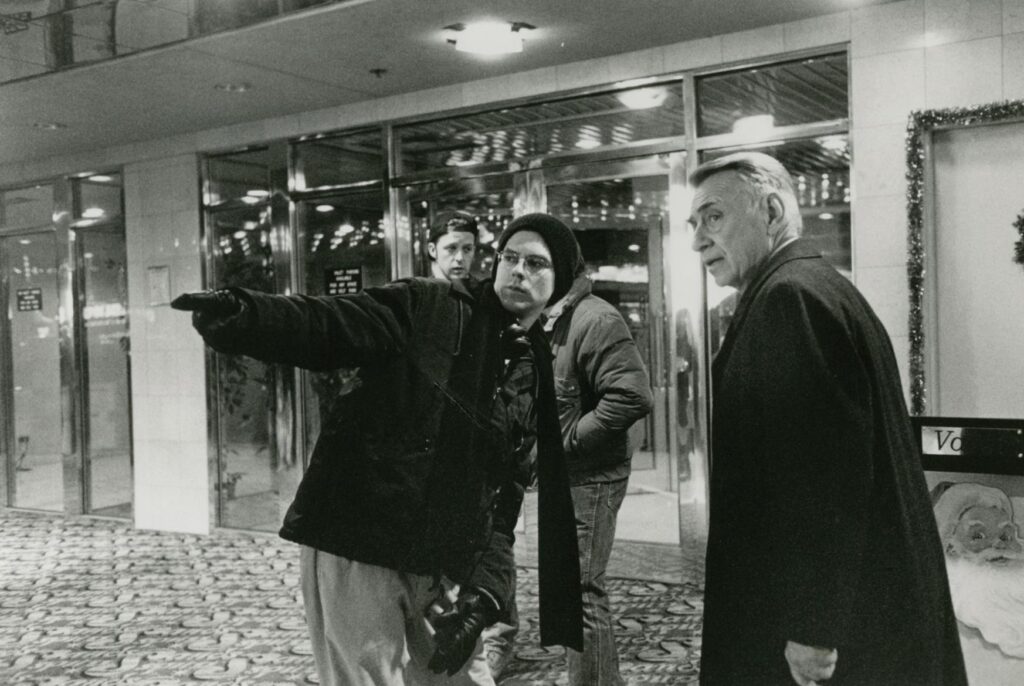
What is unique about this film is that there are elements that make it feel like a Paul Thomas Anderson film and moments that make it feel foreign. Let’s talk about the foreign aspects first. Right off the bat, the first thing I noticed were the opening credits. Most Anderson films only have a single studio card before the title, and that is it. They all have a lengthy end title sequence. Even Magnolia had the studio card, production company card, and the director’s possessory credit before the title had an end credit sequence. Allegedly, Anderson wanted to do the same thing here, but due to guild rules, every leading talent involved in making the film had to consent to have credits at the end. Producer Robert Jones didn’t agree to this, so the film has a complete opening credit sequence. I’m curious about the history of the rule. I know during the mid-1990s, opening credits were still the norm, but end titles were becoming more commonplace. I would think that rule has changed. Directors like Anderson and Christopher Nolan always have their credits at the end. The idea of getting everyone to sign off on it seems outdated. I’ll have to look into that sometime. The other thing I noticed was that the film had a lot of cuts to black before transitioning to a new scene. I imagine that comes from cutting down his two-and-a-half-hour director’s cut into a 101-minute final cut and budget restrictions. I feel like in later Anderson films, the transitions would be more creative and elaborate.
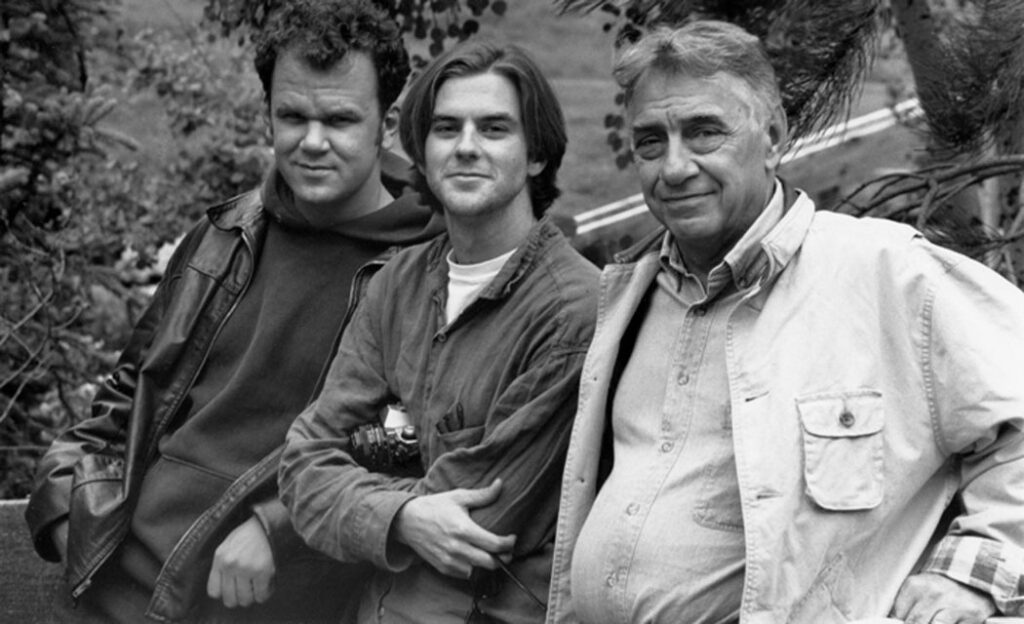
On the flipside of that coin, I did notice things that would become a staple of Anderson’s filmography. Most notable was the cast. In addition to lead actors Philip Baker Hall and John C. Reilly, the film featured future Anderson collaborators in minor roles. Robert Ridgely plays the manager of a casino, Melora Walters appears at the end of the film as Jimmy’s girlfriend, and most notably, Philip Seymour Hoffman plays the role of a young, annoying craps player. All five of these actors would go on to appear in both Boogie Nights and Magnolia (except Ridgley, who died while Boogie Nights was in post-production). Outside of the two films, Hoffman collaborates with Anderson in Punch-Drunk Love and The Master. Other things I noticed were the camera movements. Scenes with characters sitting and talking can be dull, unless done right. In these scenes with John and Sydney, Anderson moves the camera enough just for the scene to be lively, but the moves are subtle enough that they don’t distract either. The biggest thing I noticed was the tracking shot of Sydney walking from the bar, through the casino, and towards the exit. It’s probably 90 seconds long, but it foreshadows the three-minute opening tracking shot through the club in Boogie Nights and all of the dynamic camera movements throughout Magnolia. Because it made me laugh, I feel inclined to talk about a critical line of dialogue. In one scene, Jimmy tells Sydney they know many of the same people, including Floyd Gondoli and Jimmy Gator. I’m unsure if the foreshadowing was intentional, but those characters would appear in Boogie Nights and Magnolia, respectively, played by Philip Baker Hall.
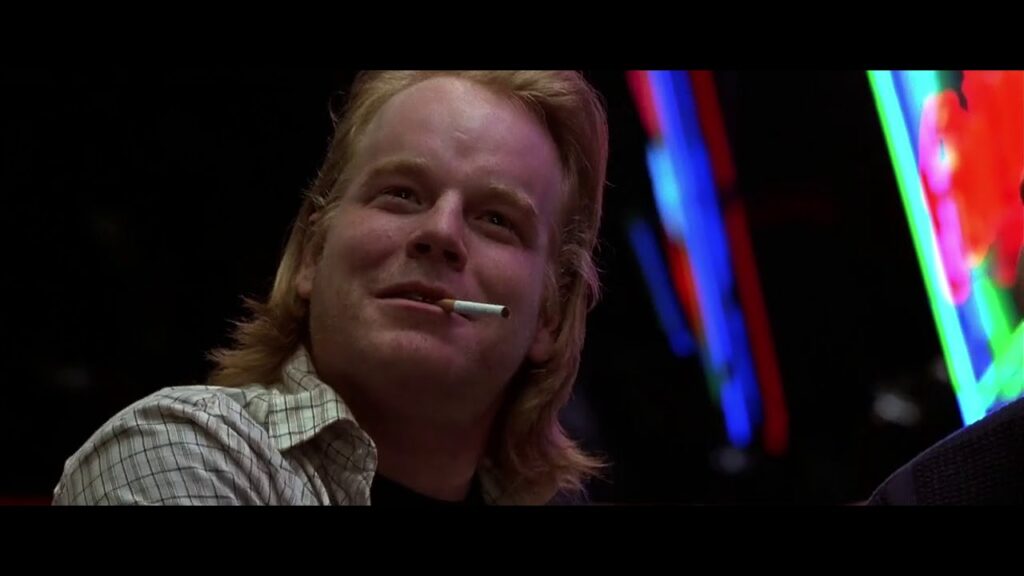
The film eventually premiered at the 1996 Sundance Film Festival and was screened at the Cannes Film Festival in the Un Certain Regard section. The film was a box office bomb, grossing less than $300,000 on a $3 million budget. I don’t know this for sure, but I imagine lack of marketing and the studio’s financial troubles were a significant factor in the film’s box office results. Despite this, the film earned mainly positive reviews, including an 82% on Rotten Tomatoes. Due to rights issues, the film is hard to acquire on physical media and isn’t streaming (as of this writing) on any subscription services. Luckily, it’s not entirely hidden. It can be purchased or rented on video services like Amazon Prime, Fandango at Home, or Apple TV. Luckily, Anderson had the deal to make Boogie Nights before this film’s release. If the film were to be judged at the box office alone, Boogie Nights likely would not have been made, and the career of Paul Thomas Anderson could have ended here. This is a good segue into my next post. Boogie Nights is one of my favorite films, and I’m excited to discuss it with you all. Until next time, thanks for reading.