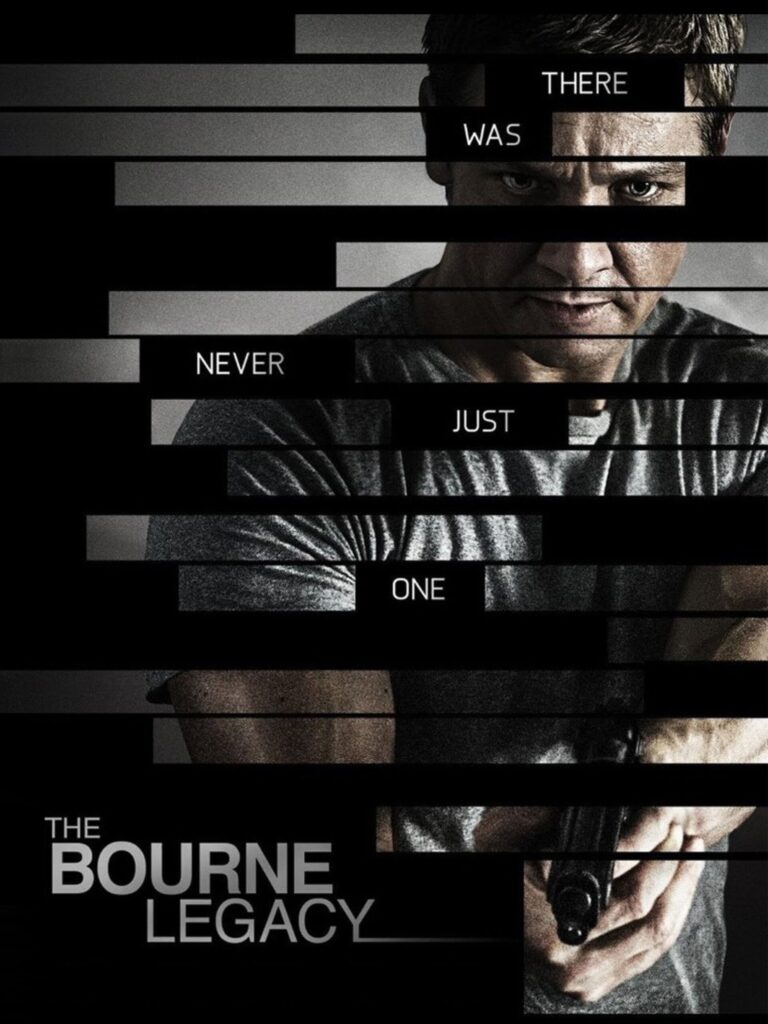
Following in the footsteps of a great action trilogy like the first three Bourne films is no easy task. Unfortunately, these next two films, one with Damon and one without, don’t quite live up to the previous three installments. However, it does still feel worth exploring. As always, a spoiler alert warning is in effect.
Following in the footsteps of a great action trilogy like the first three Bourne films is no easy task. Unfortunately, these next two films — one with Damon and one without — don’t quite live up to the previous three installments. However, they still feel worth exploring. As always, a spoiler alert warning is in effect.
The Bourne Legacy (2012)
Universal had initially intended for The Bourne Ultimatum to be the final film in the series, but by late 2008, they were exploring options. George Nolfi, one of the co-writers on Ultimatum, was hired to write a draft of the fourth film that would not be based on any of Ludlum’s prior novels. In August 2009, Joshua Zetumer was hired to write a parallel draft that could be combined with Nolfi’s if needed, as Nolfi departed the project to direct The Adjustment Bureau (also starring Damon). In late 2009, Damon told the press that he would only return to the franchise with Paul Greengrass directing. When Greengrass declined to return, Damon announced he would not return either.
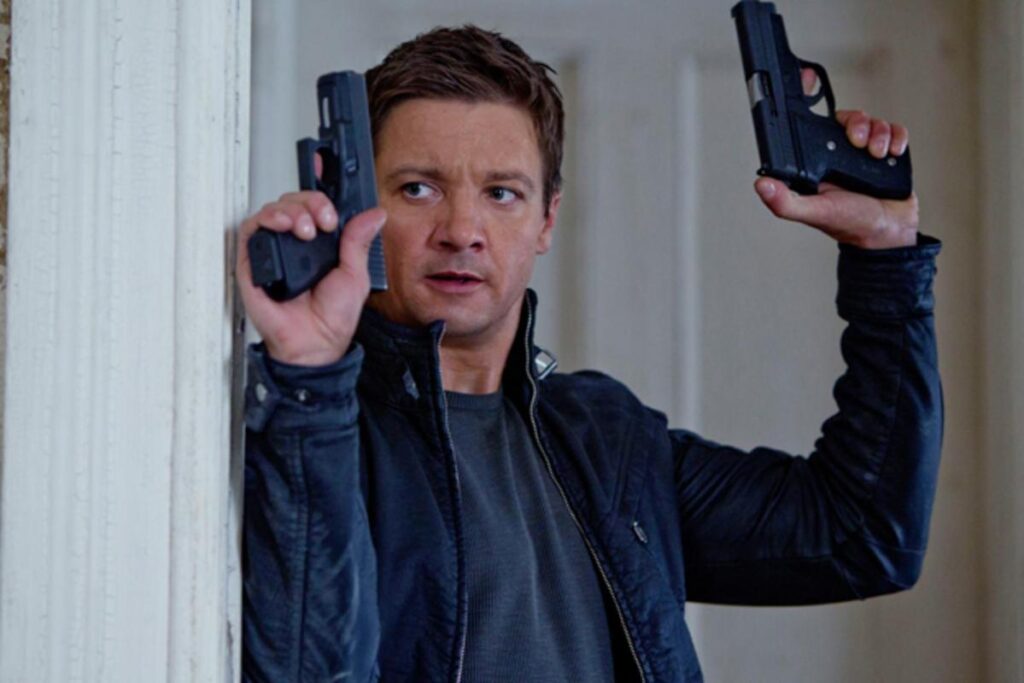
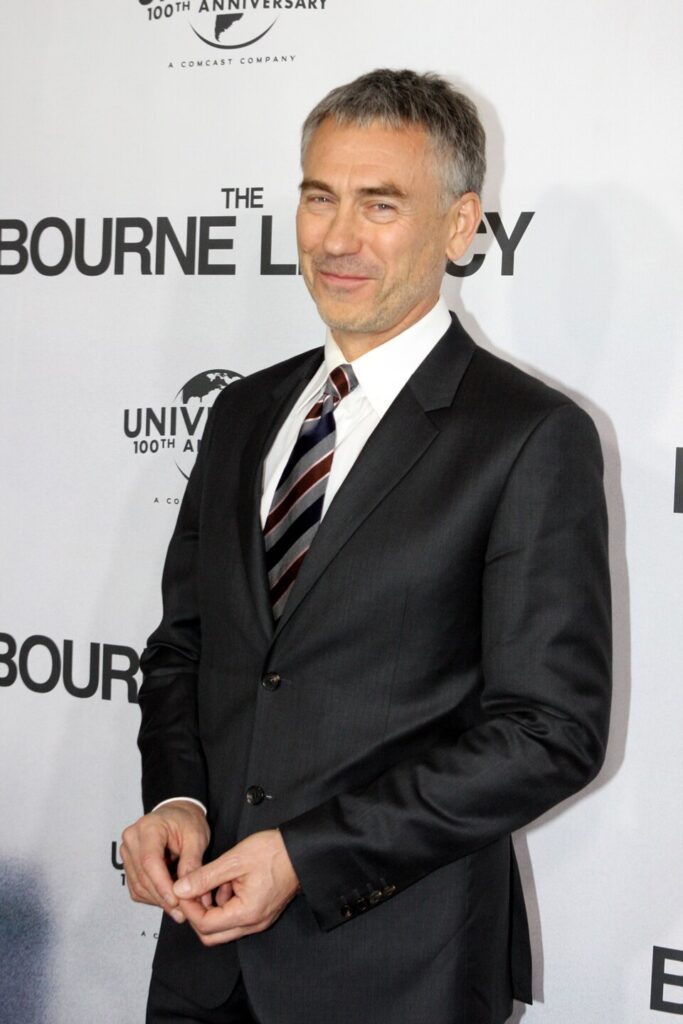
In June 2010, it was announced that series screenwriter Tony Gilroy would write a screenplay for a fourth film alongside his brother Dan. After proving his directorial abilities with Michael Clayton, which earned him Oscar nominations for Best Director and Best Original Screenplay, Gilroy was hired to direct, and a 2012 release date was set. Gilroy didn’t join the project until after Matt Damon was officially gone. There would be no Jason Bourne, but Gilroy wanted to preserve the world around Bourne and expand it. In an interview, Gilroy mentioned that he had no intention of returning to the franchise, but found the character they developed of Aaron Cross so compelling that he had no choice. Additionally, he and Dan wanted to pull back the curtain and expose a much bigger conspiracy at play. For the Gilroys, the film became a family affair. In addition to co-writing the screenplay with his brother Dan (a future Oscar nominee for Nightcrawler), the film was edited by their brother, John Gilroy.
The film follows Aaron Cross, a member of a black ops program called Operation Outcome whose subjects are genetically enhanced. He must run for his life once former CIA Treadstone agent Jason Bourne’s actions lead to the public exposure of Operation Treadstone and its successor, Operation Blackbriar. Rounding out the cast are Rachel Weisz as Dr. Shearing, a virologist who designs and maintains the enhancements done to Outcome agents, Stacy Keach as Admiral Mark Turso, and Edward Norton as the film’s antagonist, Colonel Eric Byer, who oversees the development and operation of all the super soldier programs. The first twenty minutes overlap with scenes from Ultimatum, so we see archival footage of Pam Landy, Noah Vosen, Ezra Kramer, and Albert Hirsch, as well as some newly shot material.
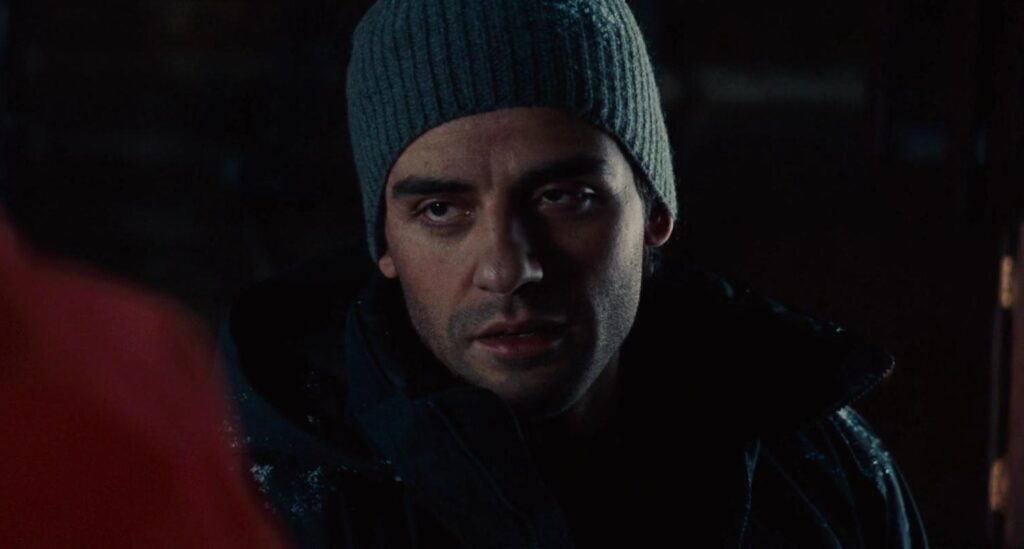

I’ll be honest: I had to watch the film twice in preparation for this blog. Actually, it would be more accurate to say I attempted to watch it twice. I fell asleep the first time, but that was on me — I picked a bad time to watch and should have paused it when I felt myself dozing. Though I wasn’t a fan the first time, I felt like I owed it to the filmmakers to give it another shot. Turns out, sleeping was a better use of my time. I wouldn’t use the word “hate,” but I strongly disliked this movie. In my opinion, it’s easily the worst of the franchise. Aaron Cross is no Jason Bourne (though I don’t blame Jeremy Renner). I just wasn’t invested in his character or his journey. Quite frankly, I didn’t like any of the characters. Rachel Weisz is a solid actress, but I didn’t connect with her character either, despite her being positioned as Renner’s love interest. Edward Norton and Stacy Keach are serviceable as the CIA villains, but they don’t match the menace of David Strathairn or Brian Cox.
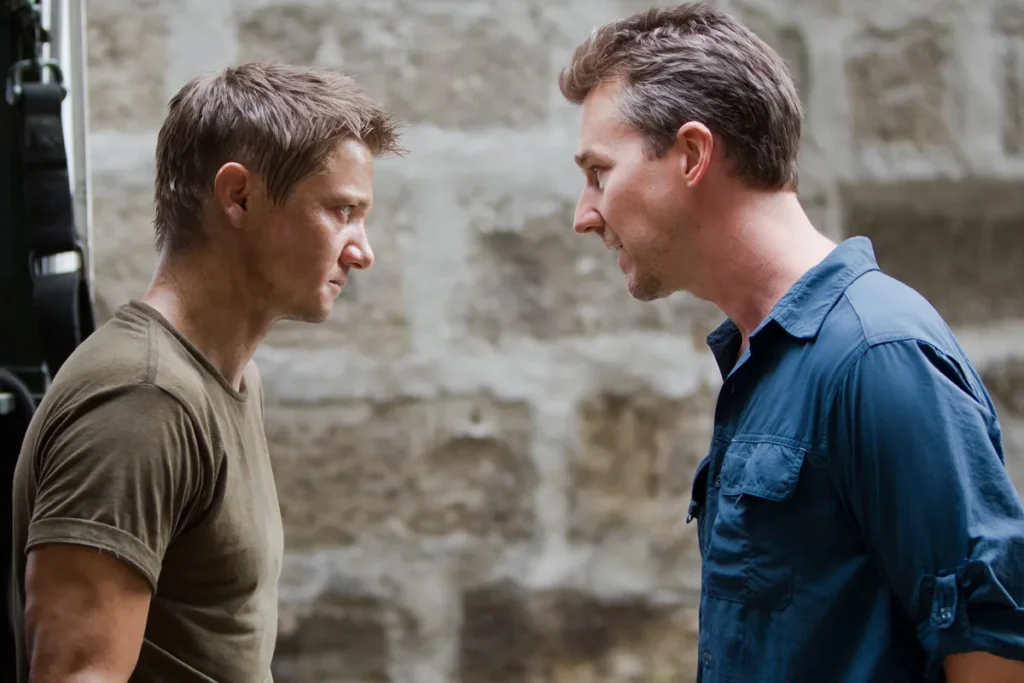
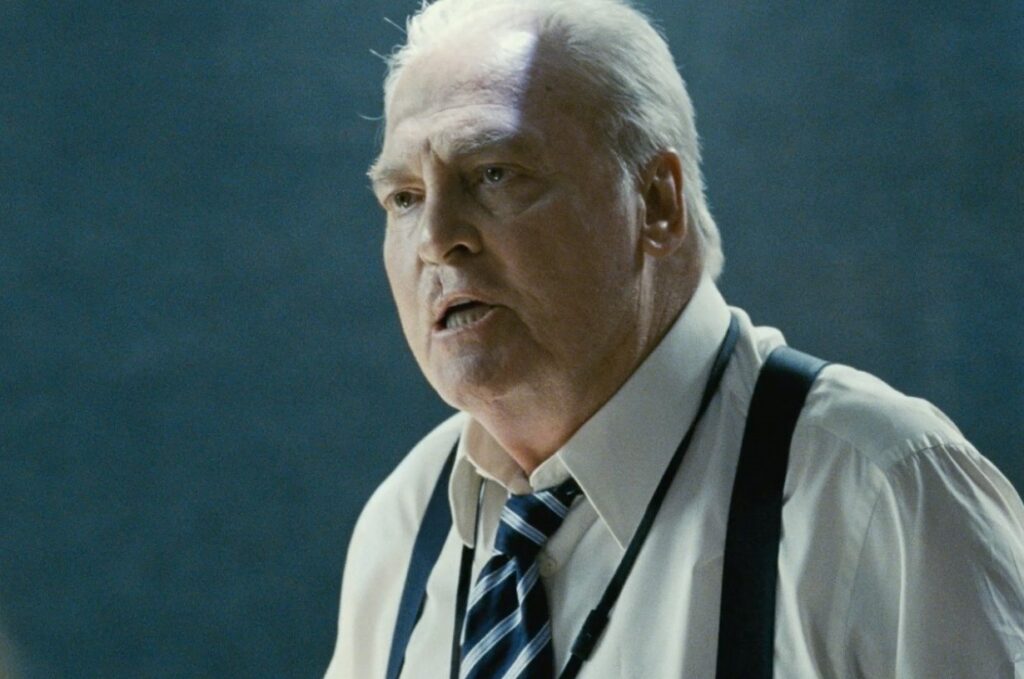
Every actor in the film is strong in their own right. Keach is a respected veteran actor. Renner has two Academy Award nominations. Norton has four, and Weisz has an Oscar win. The problem lies in the writing. The story is not compelling enough to hold my attention, and while the action sequences try, they can’t live up to the original trilogy. I know Gilroy wrote each film in the franchise, but Michael Clayton was a tight legal thriller with no action scenes. It doesn’t quite make him the best candidate to direct an action-heavy film, in my opinion. I understand Gilroy had the best intentions to continue the franchise, but it just didn’t work for me. The worst sin, though, is the ending. Having Landy publicly accused of treason undoes the satisfying conclusion of Ultimatum, where Landy helps expose Blackbriar and brings Vosen down. It cheapens her character’s arc and disrespects what Ultimatum achieved.
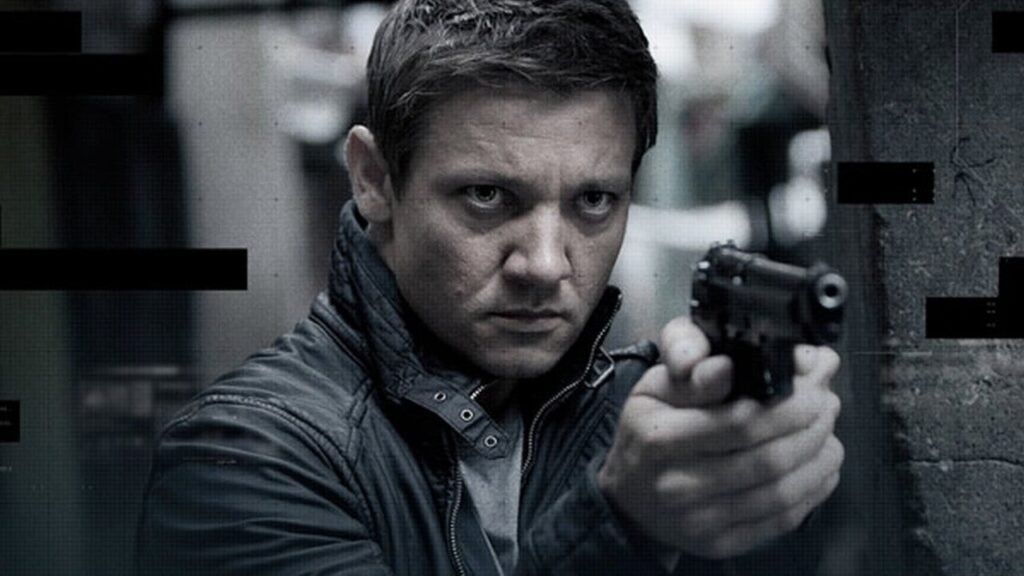
Despite the mixed reviews, Universal initially planned to continue the series with multiple new entries — some featuring Bourne, some featuring Cross. A direct sequel to Legacy was announced in February 2013 with Tony Gilroy and Anthony Peckham writing. In November 2013, Justin Lin (best known for several Fast & Furious films) was brought on to direct, and an August 2015 release was set. However, the film was later pushed back until July 2016. In November 2014, the film was put on indefinite hold to focus on Jason Bourne, the sequel that brought Damon and Greengrass back. Producer Frank Marshall later stated that it was unlikely the Cross film would be revived, though he did not explicitly rule it out.
This brings us to the final installment: Jason Bourne.
Jason Bourne (2016)
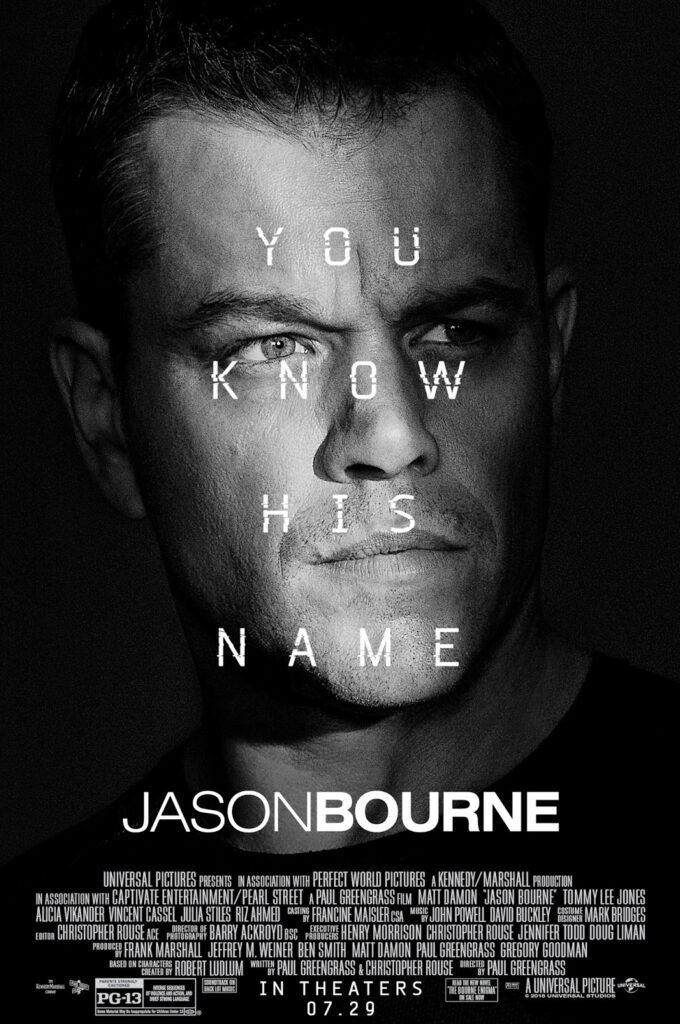
As mentioned, a Legacy sequel was initially moving forward alongside Damon and Greengrass’ planned return. The two projects were meant to coexist, but ultimately Legacy’s follow-up was shelved to prioritize the bigger star and the more successful creative team. I can’t blame Universal. Damon had led three hit Bourne films, two directed by Greengrass. Jason Bourne simply carried more weight than Aaron Cross.
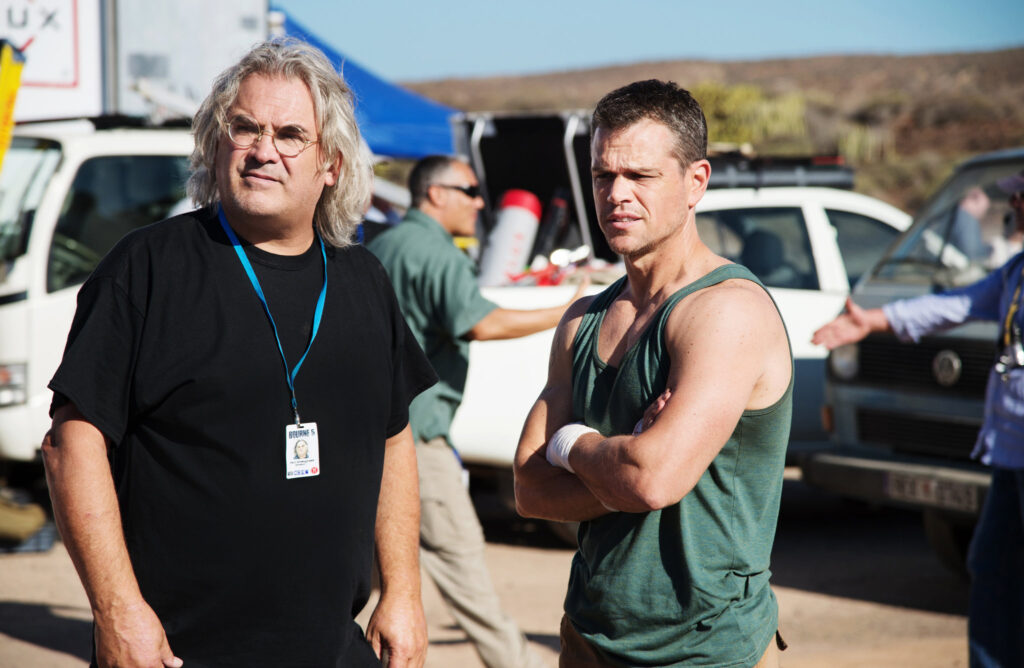
The film was officially announced in September 2014 for a summer 2016 release. In addition to directing, Greengrass produced the film alongside Damon and co-wrote the script with Christopher Rouse, who had served as editor on Supremacy and Ultimatum (and won an Oscar for the latter). Throughout 2015, the cast began to fill out. Alicia Vikander signed on as Heather Lee, Tommy Lee Jones as CIA Director Robert Dewey, Riz Ahmed as tech guru Aaron Kalloor, and Viggo Mortensen was initially cast as the main villain, The Asset. However, Mortensen ultimately passed, and Vincent Cassel replaced him. Julia Stiles also returned as Nicky Parsons.
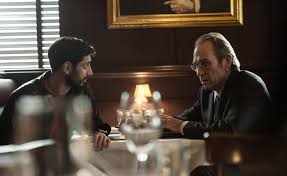
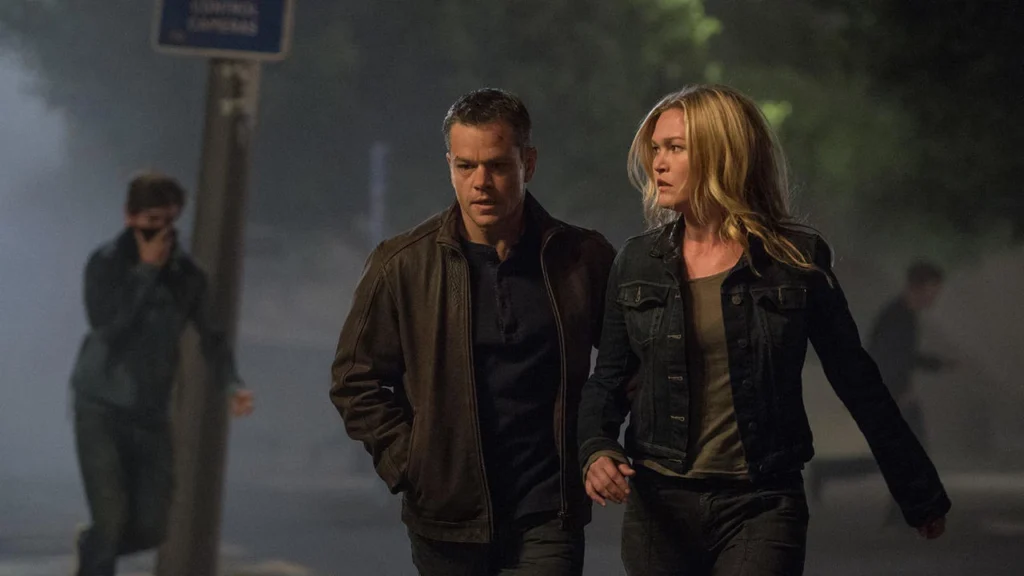
The film was released on July 29, 2016, to mixed reviews. Many felt it was an improvement over Legacy but inferior to the original trilogy. It currently holds a 54% on Rotten Tomatoes. Despite the lukewarm reception, it was a box office success, grossing over $415 million worldwide against a $120 million budget. Frank Marshall expressed optimism about a sequel, but Damon was less enthusiastic. In 2017, he stated that “people might be done with that character,” though he remained open to returning — possibly even alongside Jeremy Renner — if the right story came along. Producer Ben Smith later revealed in 2019 that a new Bourne film was in development, set within the same universe as the short-lived TV series Treadstone, but that project stalled after Treadstone was canceled. The last official update came in 2023 when it was announced that Edward Berger (All Quiet on the Western Front, Conclave) would direct a new Bourne film, but it remains in early development.
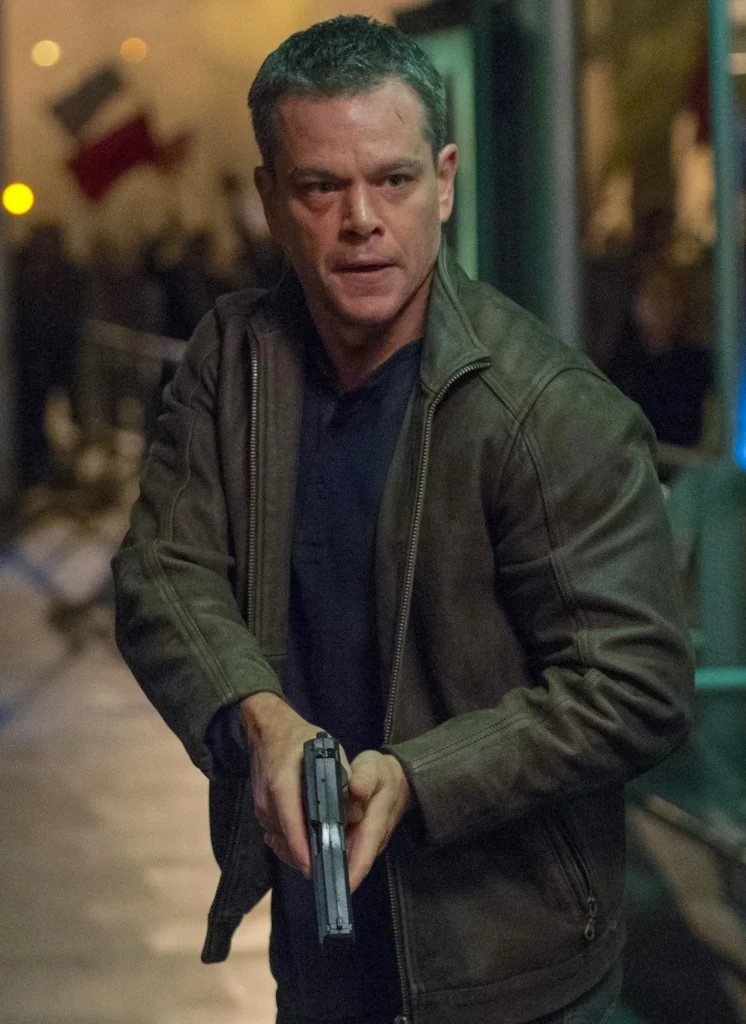
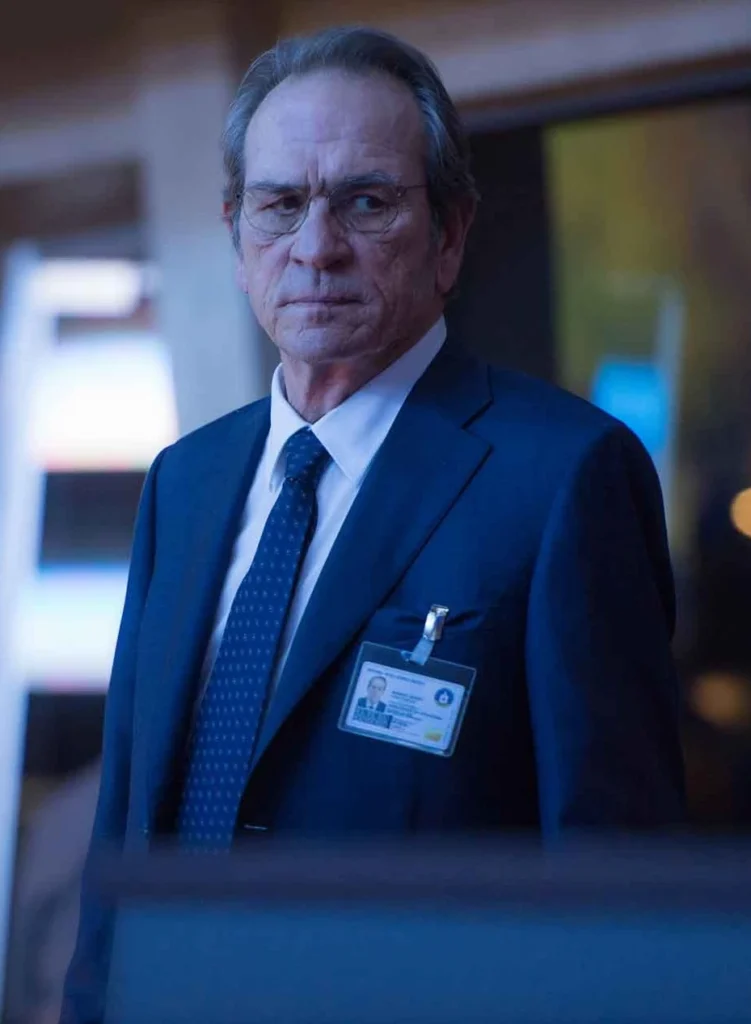
Much like the critics, my feelings about Jason Bourne are mixed. I remember seeing it in the theater and being disappointed. My initial thought was that Damon and Greengrass should have left the franchise alone after the high of Ultimatum. I still largely believe that, but my reassessment has been kinder over time. I rewatched the film for the first time since its release while preparing for this blog and liked it more than I remembered. The story isn’t as compelling as the original trilogy, but it’s not terrible. The performances are fine. Tommy Lee Jones is serviceable as the gruff CIA Director (grumpy old man roles suit him well). Riz Ahmed is an excellent actor, but he’s wasted here. The biggest letdown, though, is how they handled Julia Stiles’ return as Nicky Parsons. Her character’s role makes sense, but killing her off so early felt disrespectful to both the character and the fans who had followed her journey since Identity.
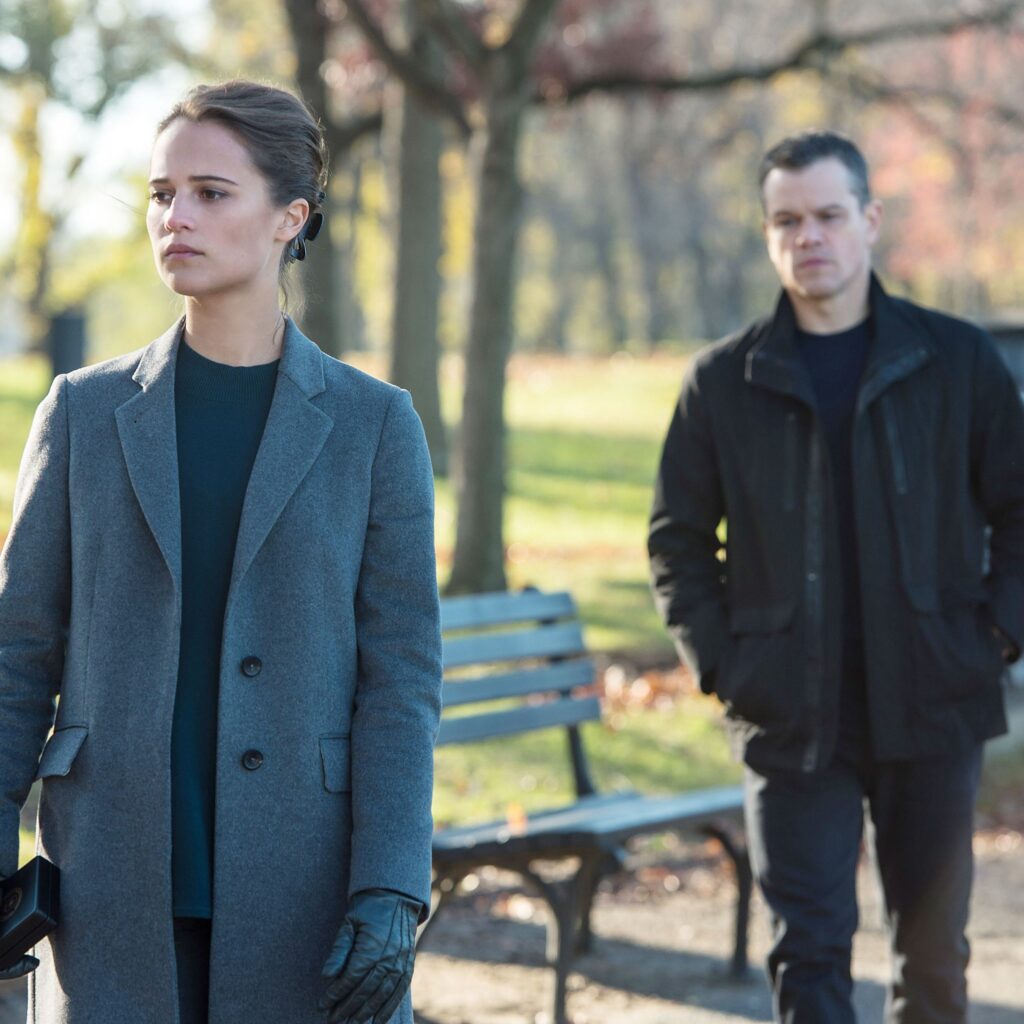
I have to praise the casting of Vikander and Cassel, though. Vikander shines as Heather Lee — sharp, ambitious, and morally ambiguous. You’re never quite sure where her loyalties lie, and that makes her character compelling. Vincent Cassel also brings something fresh to the “Asset” archetype. Unlike previous operatives like Clive Owen’s or Edgar Ramírez’s characters, Cassel’s Asset is fueled by personal vengeance against Bourne after being captured and tortured because of Bourne’s actions. His hatred adds a brutal edge to their final confrontation.
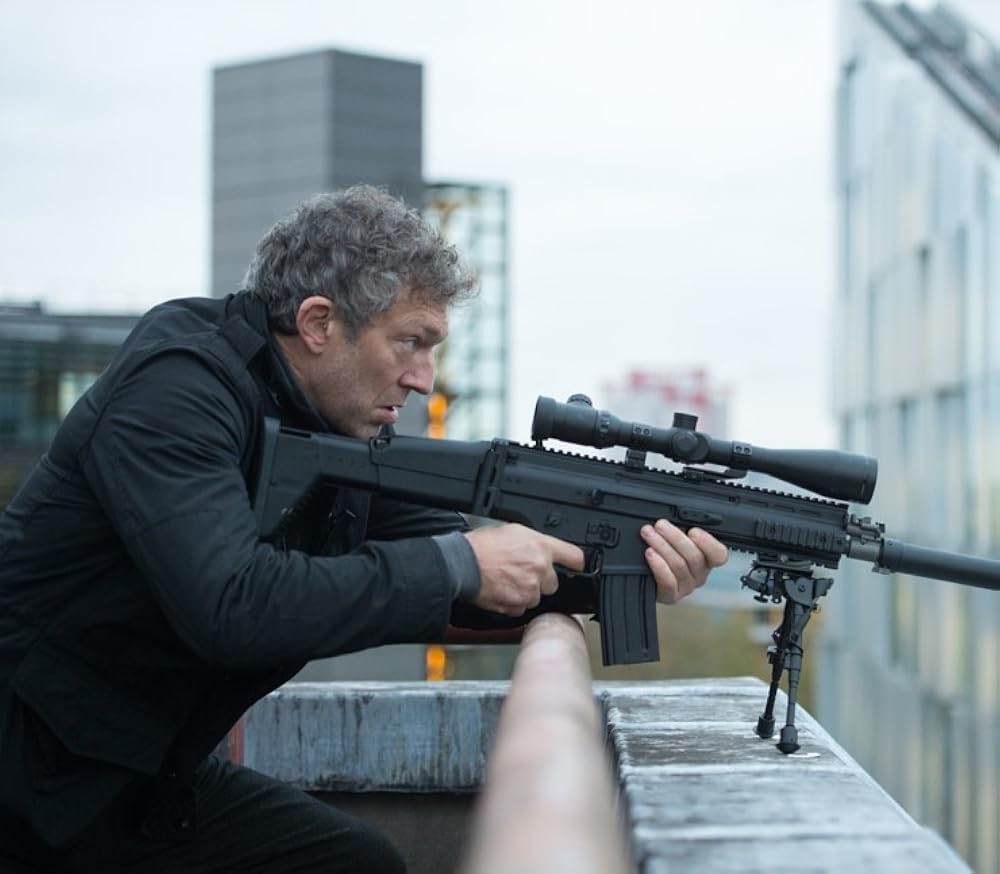
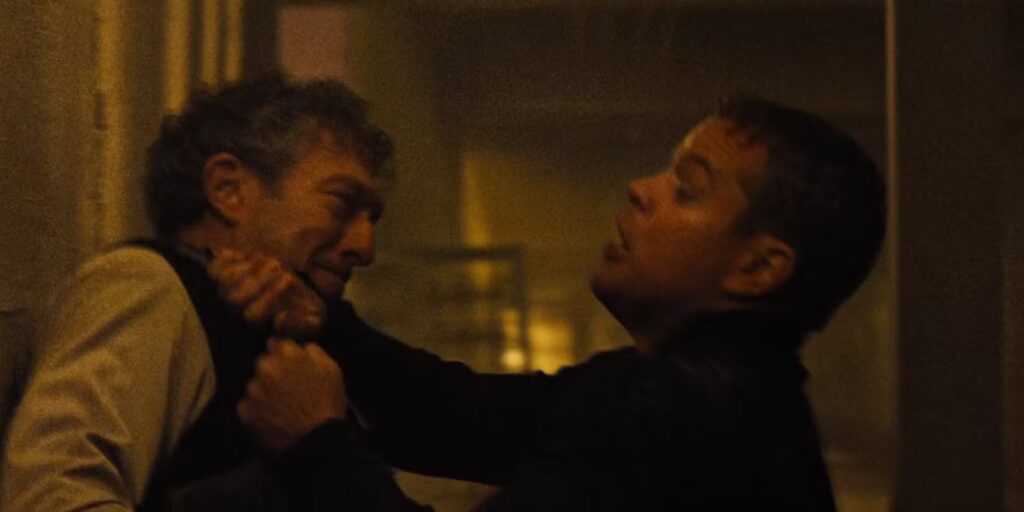
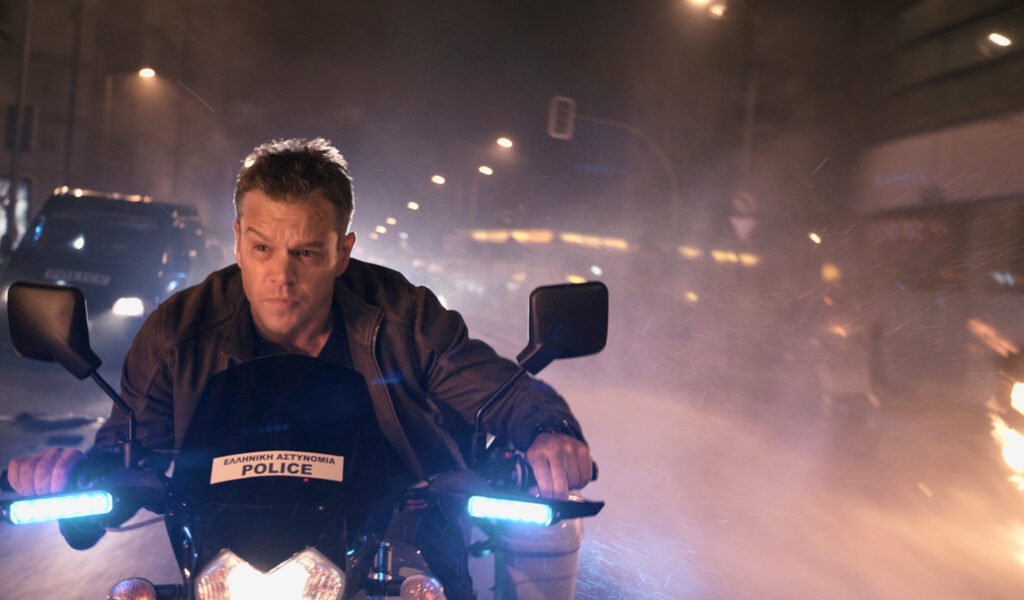
The highlight of the film, without a doubt, is the final showdown between Bourne and The Asset. The high-speed chase through the Las Vegas Strip, ending in a spectacular crash into the Riviera Casino, is one of the franchise’s biggest set pieces. The brutal fight that follows is arguably the darkest in the series, culminating with Bourne strangling The Asset to death — a moment that feels grittier and heavier than any previous Bourne fight.
As we wrap up, I can’t help but think about the future. I have mixed feelings about continuing the franchise. I made it clear that Ultimatum would have been a perfect ending. However, they can’t do much more damage at this point. I like Edward Berger. Conclave was my favorite film of 2024. Maybe it will take a visionary director with a fresh take to rejuvenate the series. Or maybe they’ll explore new corners of the Bourne universe, as Tony Gilroy attempted with Legacy — hopefully with more success. Universal should look at what Ryan Coogler accomplished with the Creed films for inspiration. My hunch is that it’s only a matter of time before Bourne returns, whether on film or television. If there’s one thing I’ve learned, it’s that when a studio has a franchise, it never truly dies.
No matter what the future holds for Jason Bourne, there’s no denying the impact these films had on action cinema. The original trilogy raised the bar, blending real-world grit with smart, character-driven storytelling. Even the weaker entries have their moments. Whether Bourne stays retired or gears up for another mission, I am excited and curious to see what comes next.