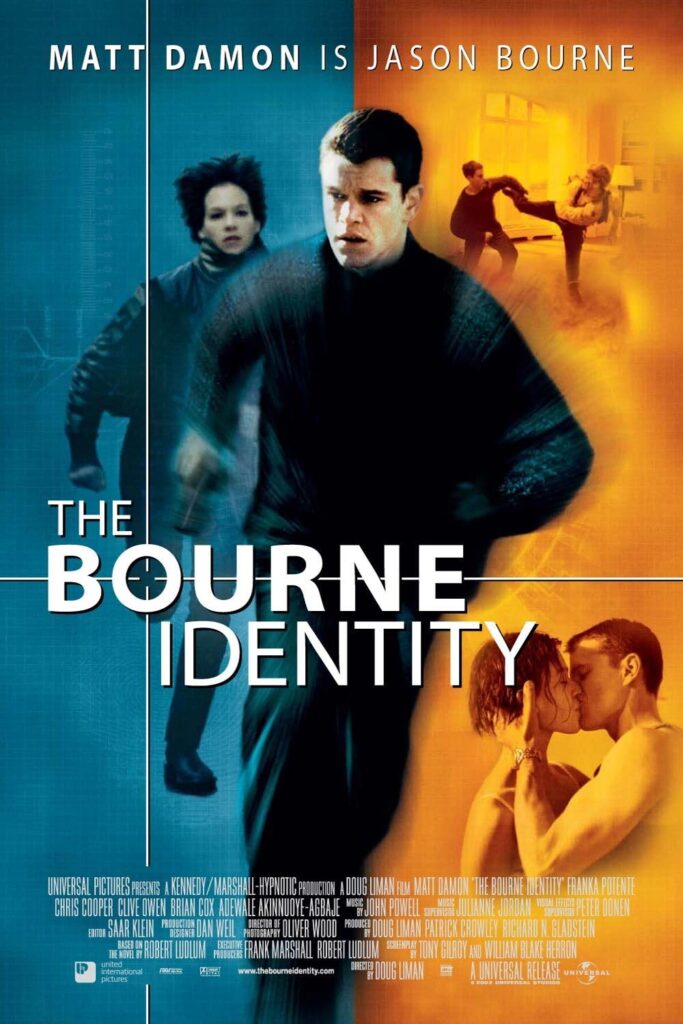
Today, I am going to talk about one of the best spy series of the 21st century, the Bourne franchise. In this first post, I’ll cover the original trilogy consisting of The Bourne Identity, The Bourne Supremacy, and The Bourne Ultimatum. In the next post, I’ll focus on what I consider the lesser sequels, The Bourne Legacy and Jason Bourne. As always, spoiler alerts are possible. Let’s begin.
The Bourne Identity (2002)
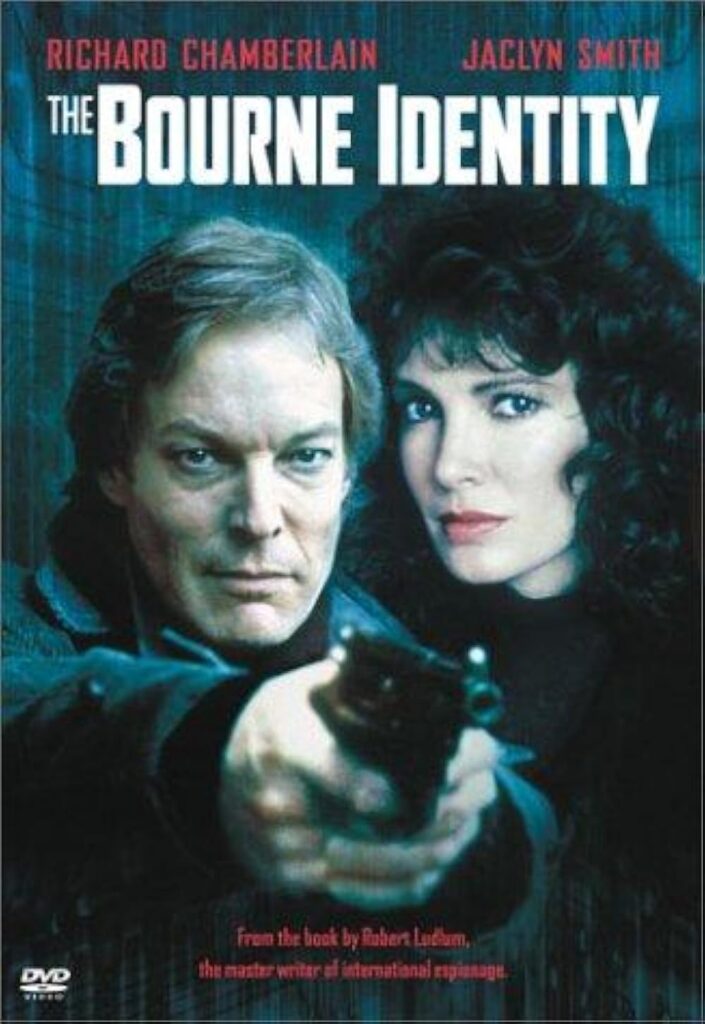
As always, I like to start with the production history of each film. This movie is based on the 1980 novel by Robert Ludlum. A film version had been in development as early as 1981 but failed to garner any traction. The option initially ended up at Orion before being acquired by Warner Bros. Warner Bros. wanted Burt Reynolds to star with Jack Clayton directing, but Reynolds turned down the role. Eventually, Warner Bros. produced a two-part, four-hour TV movie starring Richard Chamberlain that aired on ABC in 1988. After failing to utilize the option beyond the TV movie, the rights reverted to the Ludlum estate in 1999.
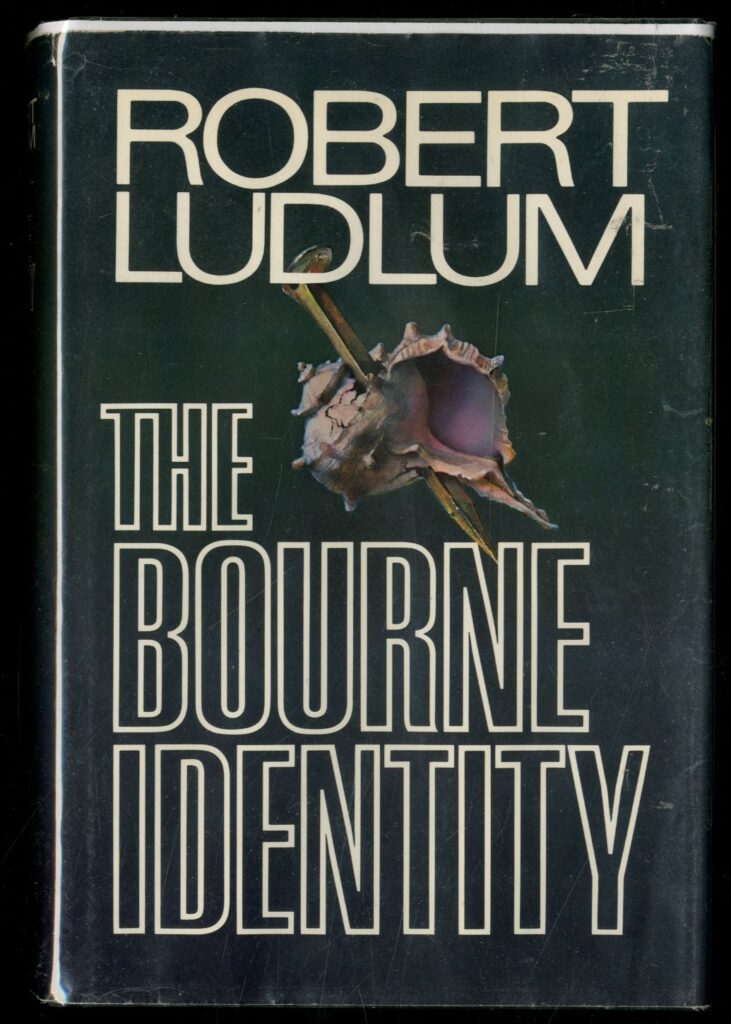
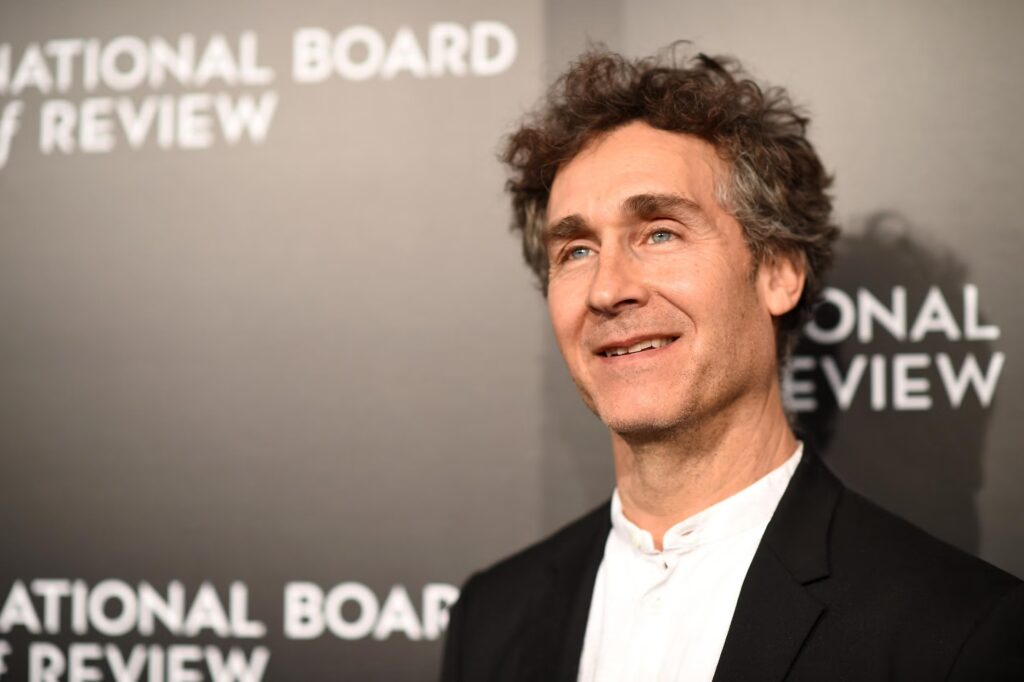
Plans for another adaptation heated up in 1996 when Doug Liman, fresh off his indie hit Swingers, decided to pursue the source material. Because Warner Bros. still technically owned the rights, it took two years of negotiations with the Ludlum estate before work could officially begin. Liman brought on screenwriter Tony Gilroy to adapt the screenplay, and the two spent another year fine-tuning it. Universal Pictures acquired the rights, not only in an attempt to gain a franchise but because they were intrigued by the idea of an independent-minded director working within a major studio genre.
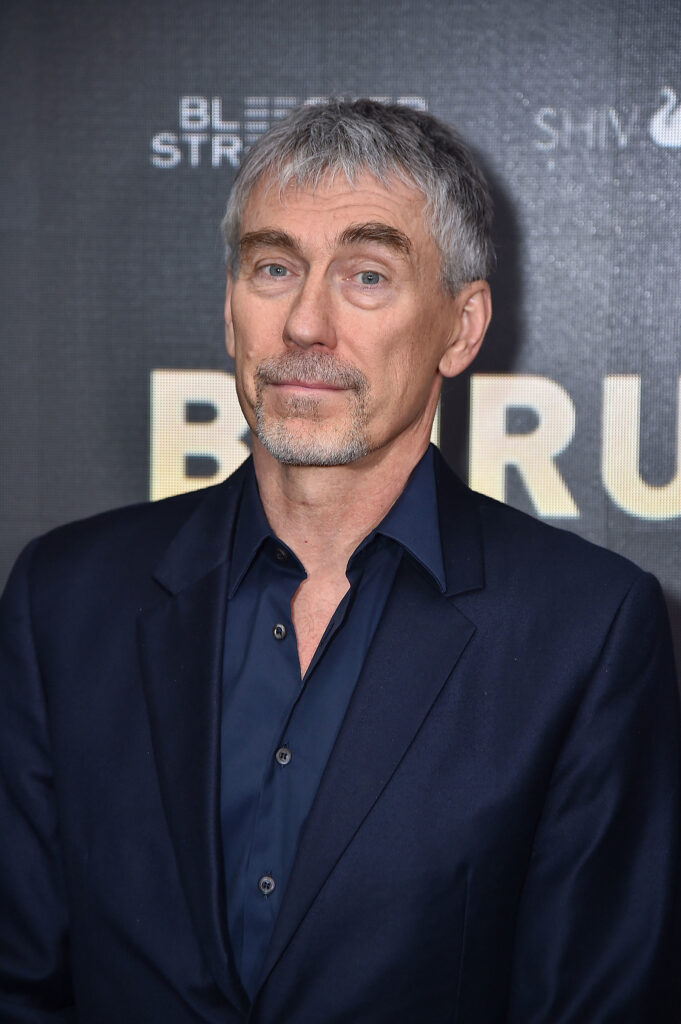
David Self was initially brought in to write the script after Gilroy rejected the first offer. Gilroy disliked Ludlum’s novels and Self’s subsequent script for being too faithful. Gilroy told Liman the only way he would work on the film was if he could throw everything out and keep only the main idea of “a man who finds out all he knows how to do is kill people.” Both the book and Self’s script had Bourne going after the terrorist Carlos the Jackal — who, unbeknownst to me, was a real person. However, since Carlos had been captured and imprisoned in 1994, the film needed a new antagonist. The role was shifted to Alexander Conklin, and much of Bourne’s literary backstory was removed. Gilroy rewrote the script, but William Blake Herron was brought in to add more action sequences. Damon protested Herron’s involvement, threatening to quit if Herron’s script was used. Despite the protests, both Gilroy and Herron ultimately received shared screenplay credit.
Before Damon was cast, Liman approached many actors, including Brad Pitt (who turned it down for Spy Game), Russell Crowe, Arnold Schwarzenegger, and Tom Cruise, before settling on Damon. Liman appreciated that Damon recognized that despite the action, the story itself was a character study. Damon, who had never played such a physically demanding role before, insisted on performing many of the stunts himself. He trained for three months in stunt work, weapons use, boxing, and Filipino martial arts (eskrima) under stunt coordinator Nick Powell. He performed a significant number of the film’s stunts himself, including hand-to-hand combat and climbing the safe house walls near the climax.
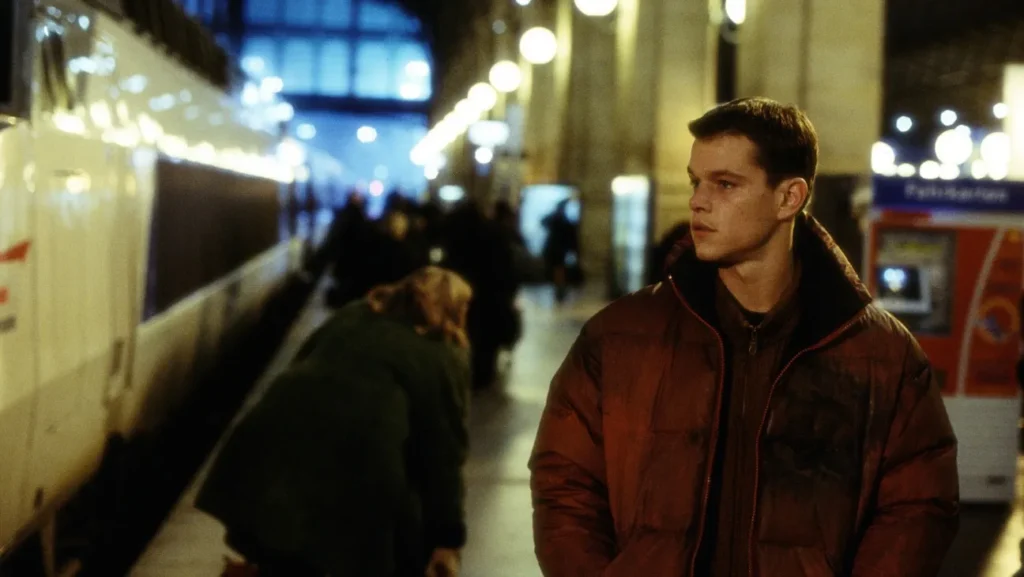
Filming began in October 2000 and was almost immediately beset with problems. Difficulties with the studio slowed filming and caused a rift between Liman, Gilroy, and Universal Pictures. The first major rift occurred when Liman and Damon insisted on abandoning Herron’s draft despite pre-production already underway. Liman insisted on filming in Paris instead of the cheaper option of Montreal, leading to communication issues between the American and French crews. As filming progressed, the studio grew unhappy with the pacing and the film’s focus on small-scale action sequences. Tensions worsened because Liman already distrusted studio involvement. Things deteriorated further when Liman insisted on last-minute reshoots and rewrites; Tony Gilroy admitted to faxing script changes throughout production.
The reshoots and rewrites put the film $8 million over budget and delayed the release from September 2001 to June 2002. The farmhouse sequence was a major point of contention. Gilroy was ordered to remove it, but Liman and Damon fought for its inclusion, arguing it deepened Bourne’s humanity. Additionally, the Paris ending originally featured a bombing, but this was scrapped after 9/11. Aside from Paris, filming also took place in Prague, Imperia, Rome, Mykonos, and Zürich. Liman often operated the camera himself to create a more intimate feel.
When the film was finally released in 2002, it became a critical and commercial hit. It earned an 84% score on Rotten Tomatoes and grossed $214 million worldwide on a $60 million budget. When it was released on DVD in January 2003, it became the highest-selling DVD, surpassing Harry Potter and the Sorcerer’s Stone until it was later overtaken by The Lord of the Rings: The Two Towers.
That’s all dandy, Nick, but what are your thoughts? Well, in the original trilogy, this is my least favorite installment, but there’s still plenty to like. While it slowed down production considerably, I liked the smaller-scale fights — they balance action and character well. I especially liked the farmhouse fight between Bourne and The Professor. It’s only before killing him that Bourne realizes how alike they are, punctuated by The Professor’s dying words: “Look what they make you give.” Words that will come full circle later in the trilogy. My favorite action sequence, however, comes in Bourne’s apartment building. Bourne grabs an assassin, jumps off the top level, shoots another assailant during the fall, and uses the assassin’s body to break his landing. Badass.
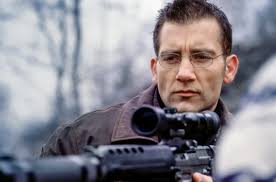
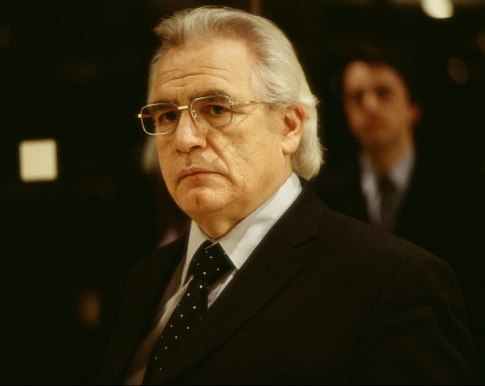
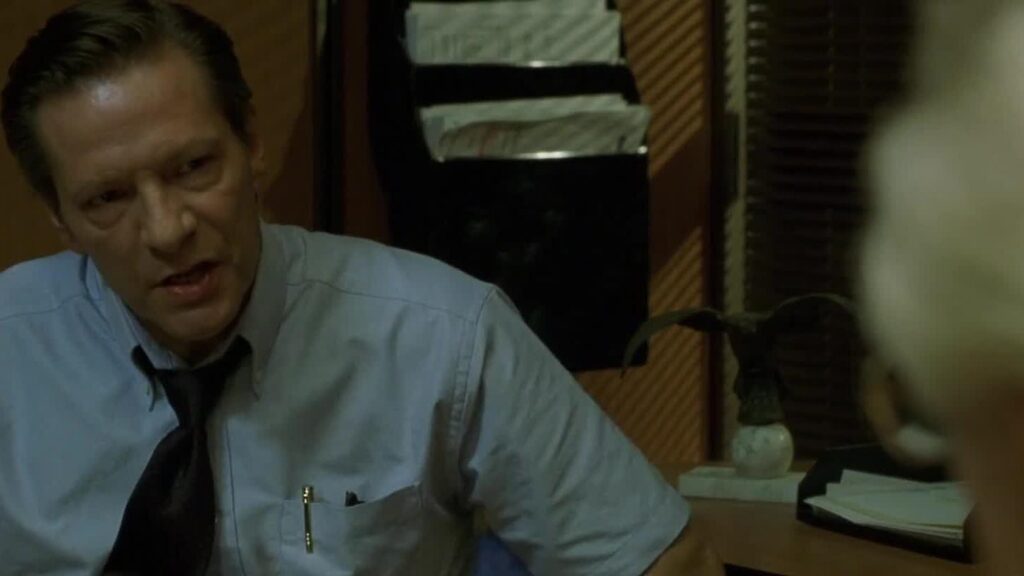
Watching it over twenty years later feels different. I always find it funny to see technology that was state-of-the-art then but now feels primitive. I also thought it was cool to spot a young Walton Goggins pre-The Shield and Justified as a CIA tech. Chris Cooper and Brian Cox are reliably excellent. I wasn’t familiar with Franka Potente before, but I liked her chemistry with Damon — Marie feels like a fully fleshed-out character. Damon deserves huge props for pulling off an action film that also feels like a character study. The one thing that threw me off was Julia Stiles’ billing. She wasn’t credited in the main end titles despite already being a recognizable actress after 10 Things I Hate About You and Save the Last Dance. Instead, she appears in the end scroll — odd, but ultimately a minor oddity. Overall, I still enjoyed the film.
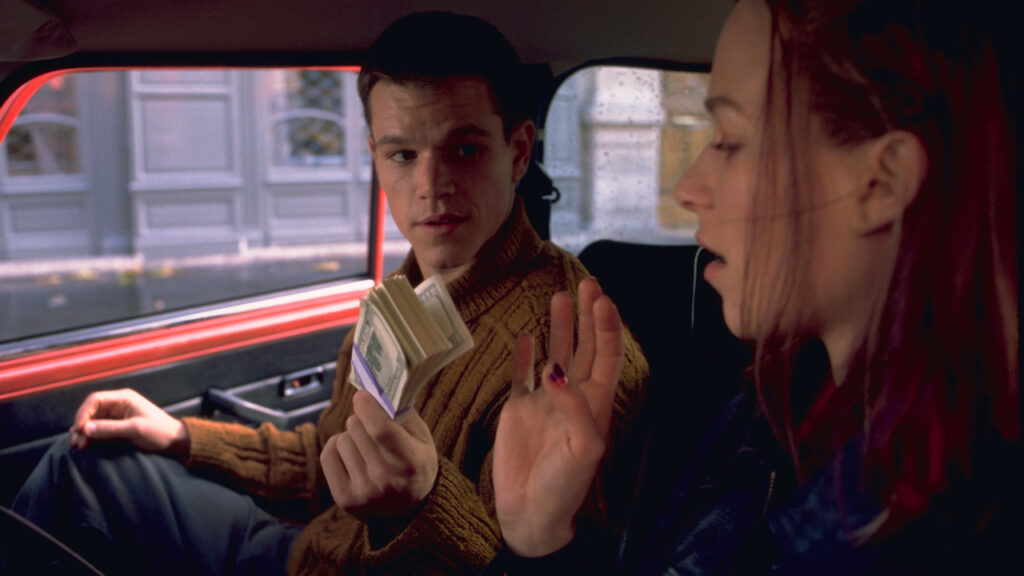
The Bourne Supremacy (2004)
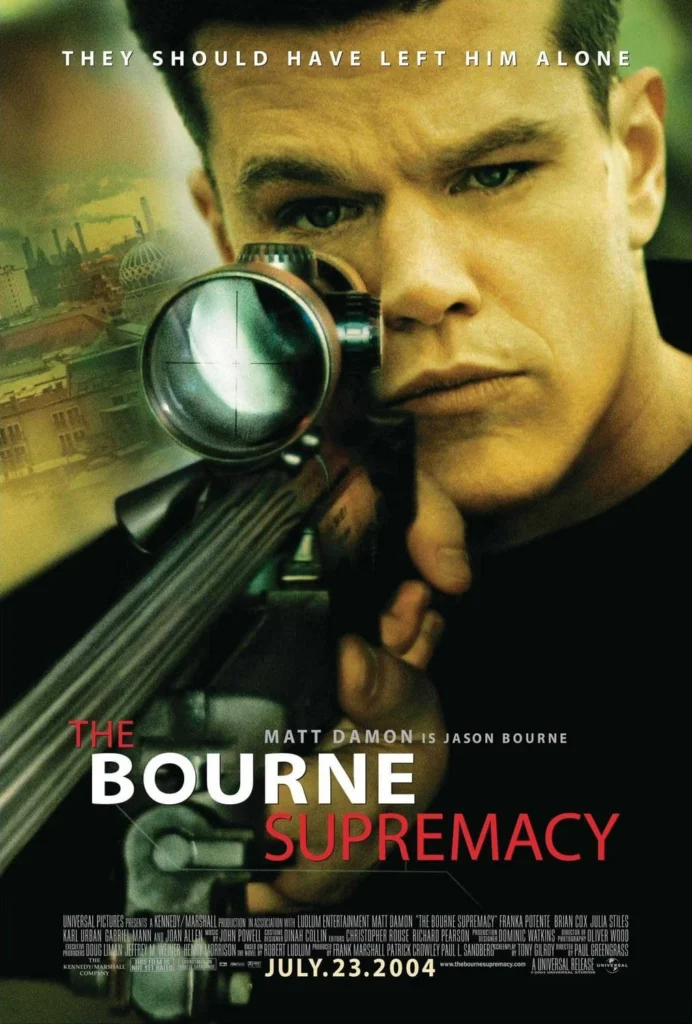
While I liked The Bourne Identity, I enjoy The Bourne Supremacy even more. Identity wrapped itself up nicely but left the door open for a sequel. After the tension between Liman and the studio during the first film, Liman was replaced by Paul Greengrass, though Liman stayed on as executive producer.
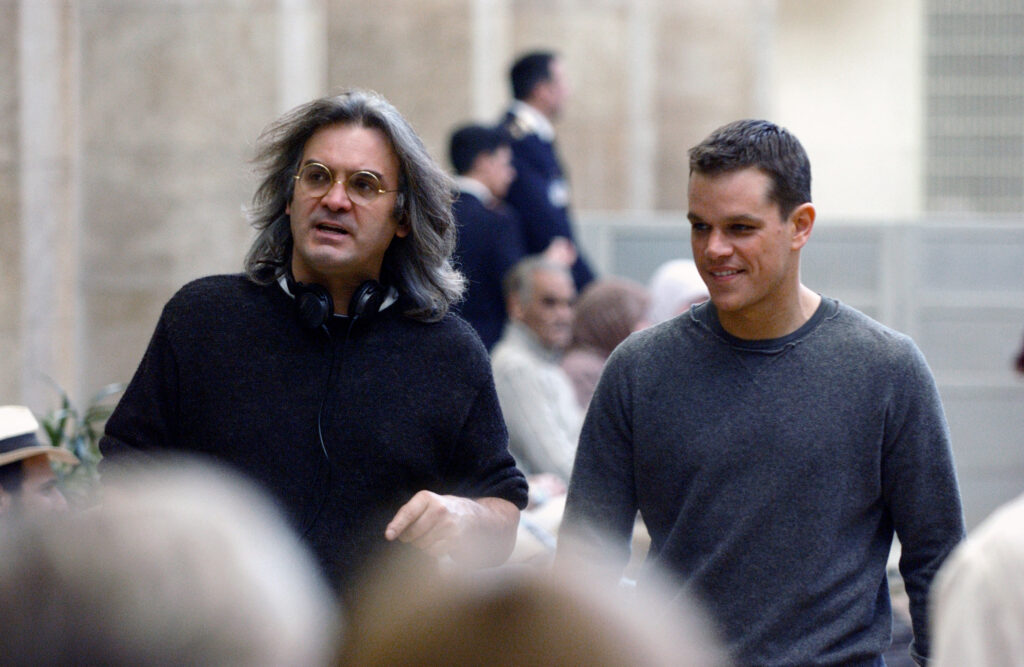
Greengrass was hired after producers saw his film Bloody Sunday, impressed by his participatory, handheld camera style. The original ending involved Bourne visiting the daughter of the Neski couple (whom he killed) to make amends, but test audiences didn’t love it. Two weeks before release, Greengrass and Damon came up with the new ending — a satisfying conversation between Bourne and Landy — costing $200,000 and pulling Damon from Ocean’s Twelve for a reshoot. It tested much higher.
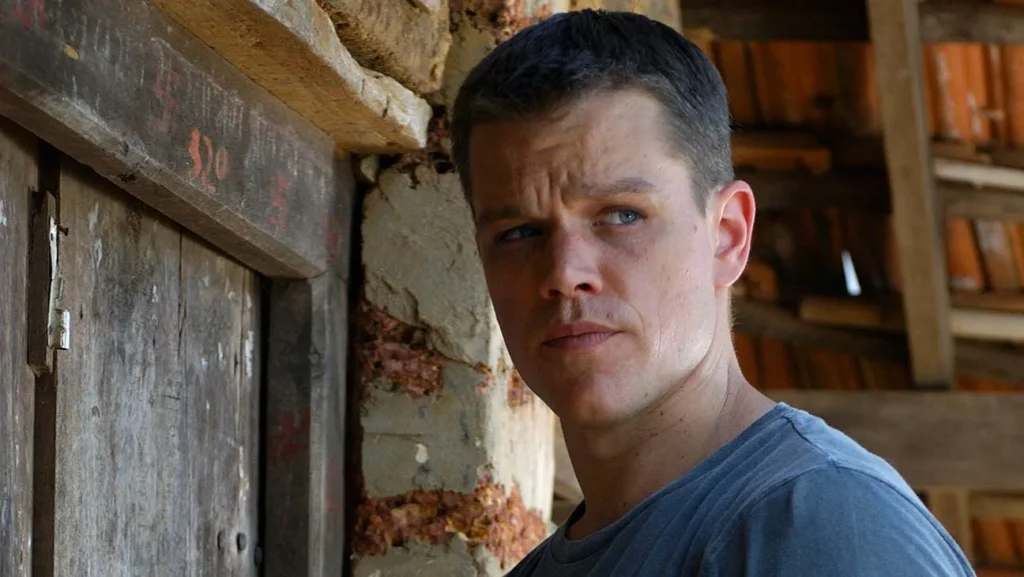
Compared to Identity, there’s less production drama to discuss. So, let’s talk about the film itself. At first, it took me time to adjust to Greengrass’ camera style. Liman’s camerawork was steadier; Greengrass employs a jittery, documentary-like handheld approach. It’s effective and intimate, but it was jarring at first. Once I acclimated, I appreciated how it enhanced the urgency.
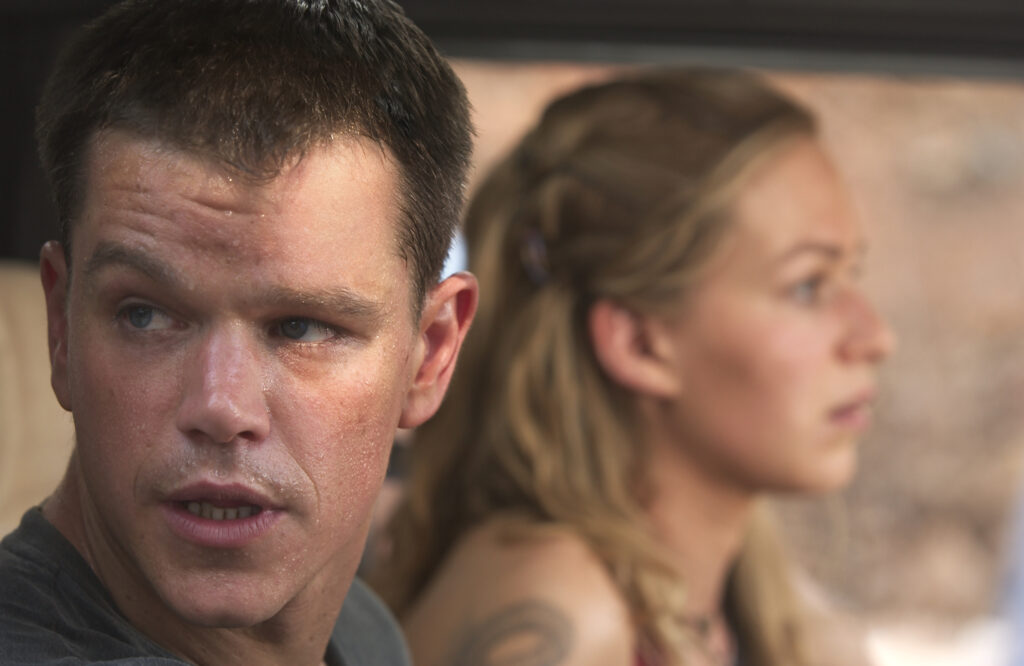
I preferred this story to the first. Tony Gilroy again took creative liberties with the novel. The casting remains on point: Joan Allen is fantastic as Pamela Landy, while Julia Stiles and Brian Cox get expanded roles. I love how this film flips the premise of the first — in Identity, Bourne is reactive, on the run. In Supremacy, he’s proactive, seeking those who wronged him. The catalyst of Marie’s death adds emotional weight without feeling cheap. I also liked digging deeper into Treadstone and the web of corruption.
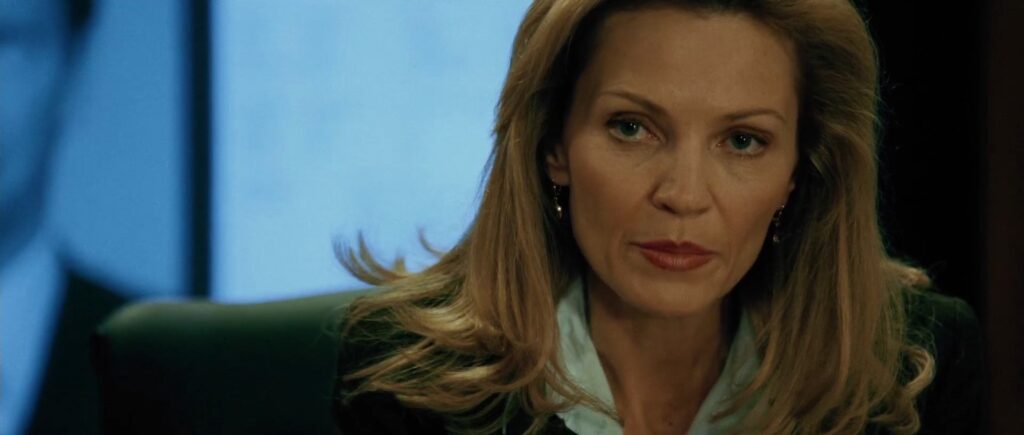
The new ending was the right call. It shows Landy as not just a bureaucrat but a genuinely decent person, which becomes important later. Where Identity felt more closed-ended, Supremacy clearly sets up a third film. As much as I enjoy Supremacy, there’s no doubt in my mind that the next film tops them both.
The Bourne Ultimatum (2007)
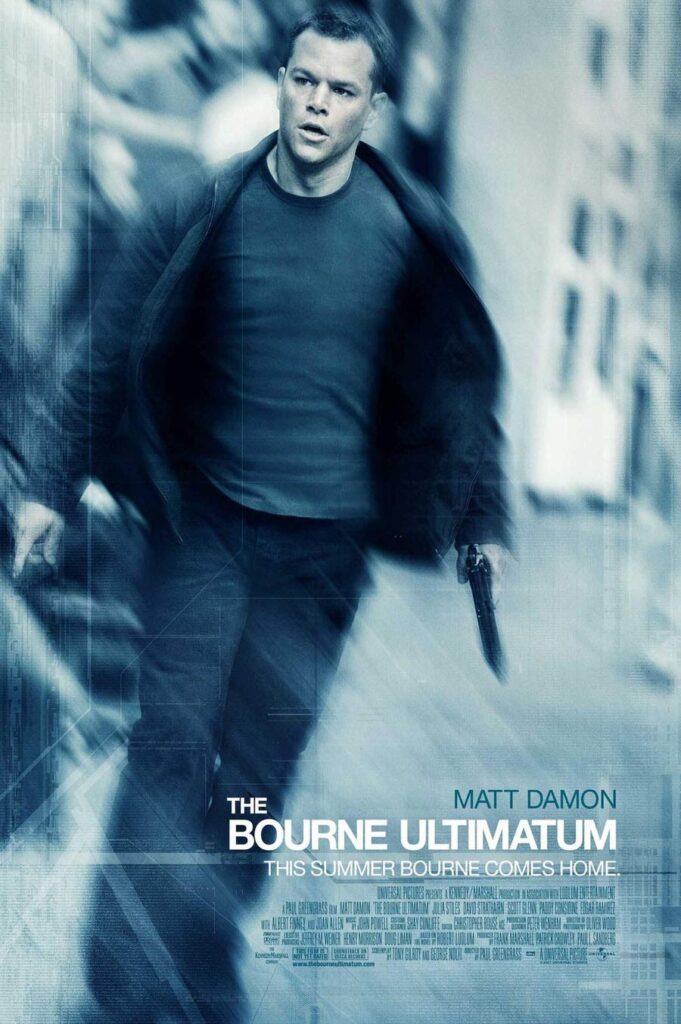
This, hands down, is considered the best entry in the series — not just by me, but by critics as well.
After the success of Supremacy, the producers brought back Paul Greengrass to direct. Tony Gilroy initially returned to write a draft of the script, focusing heavily on Bourne’s repentance for his past deeds — a concept that was ultimately discarded. In an ironic twist, Damon, who had championed Gilroy during Identity, publicly criticized Gilroy’s draft. Gilroy departed the project but still received a solo story credit and shared screenplay credit with Scott Z. Burns and George Nolfi.
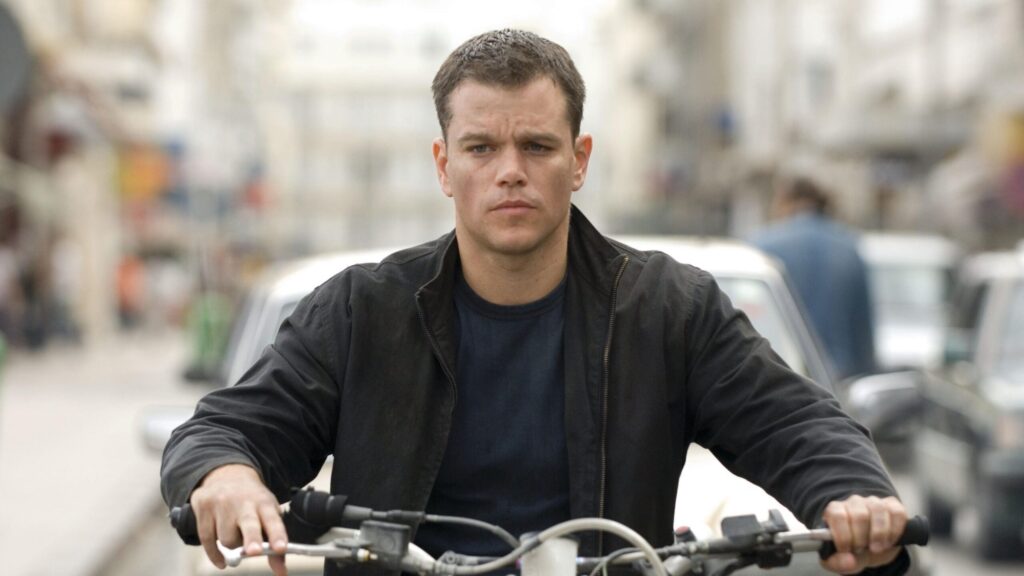
Though Bourne doesn’t show much repentance in the final film, the script is still highly engaging. The fight sequences are some of the best ever filmed, particularly the brutal showdown with Desh in Tangier and the final rooftop confrontation with Paz in New York. The car chase through Manhattan, culminating in Bourne’s escape from the CIA headquarters, is exhilarating and remains a highlight of the franchise.
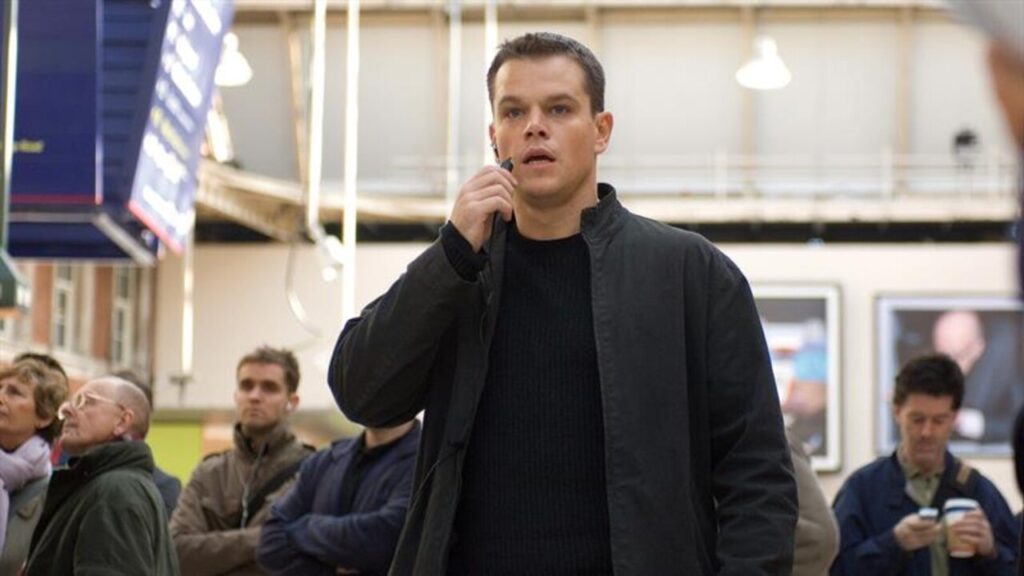
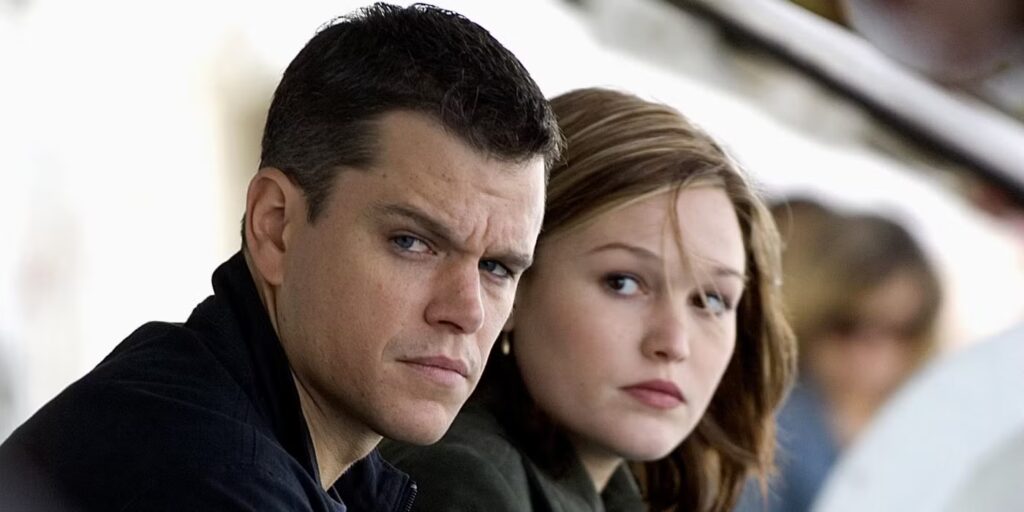
I have to admit, sometimes spy movies lose me with overly complicated plots. Whether that’s because they’re poorly written or my brain just doesn’t process them quickly enough, I’m not sure. But one of the greatest strengths of the Bourne trilogy is that it remains easy to follow without dumbing things down. It’s probably because the films diverge so much from Robert Ludlum’s source material. After reading the Wikipedia summaries of the novels, I can confidently say the films are infinitely more coherent. Credit goes to the screenwriters and filmmakers for making intricate stories accessible without sacrificing intelligence.
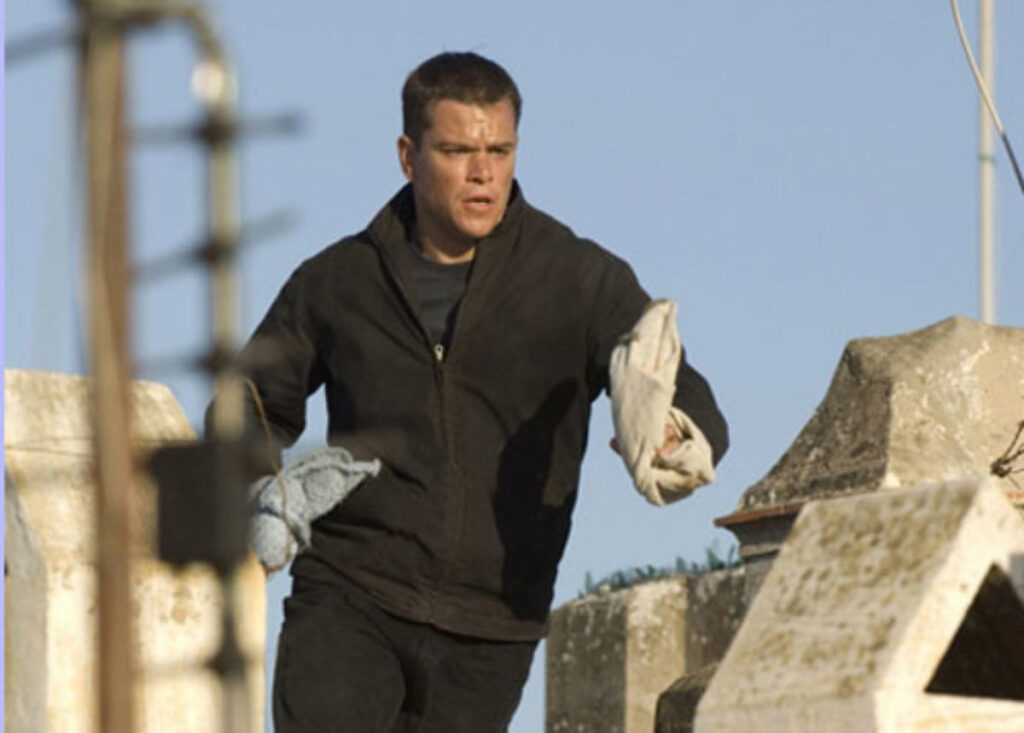
On a technical level, Ultimatum shines. Christopher Rouse’s editing is nothing short of masterful, keeping the chaos controlled without making it incomprehensible. The film also deepens the world by introducing Blackbriar, an even more sinister program built upon Treadstone’s ashes. The sense of systemic corruption within the CIA adds real-world resonance to the narrative.
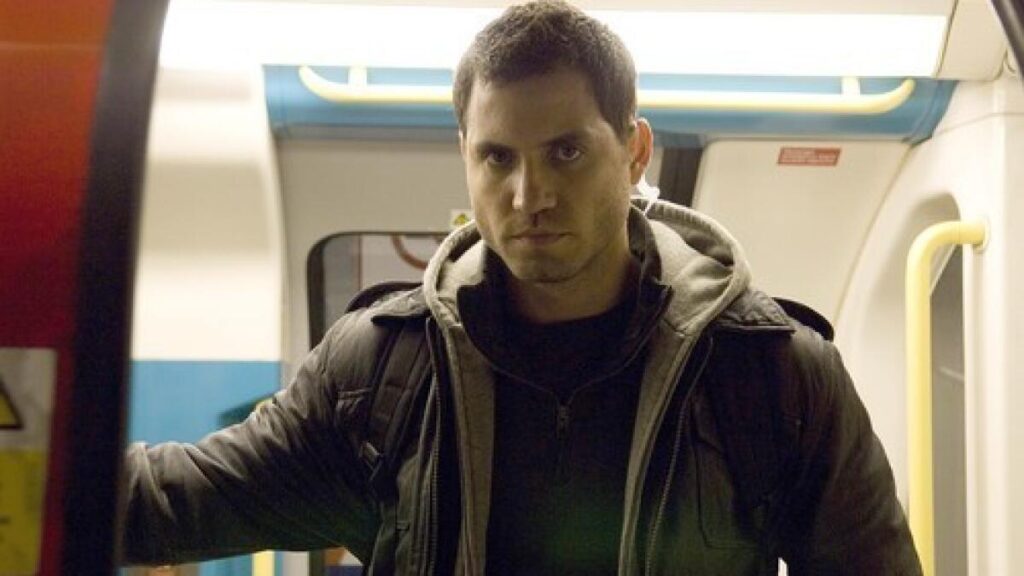
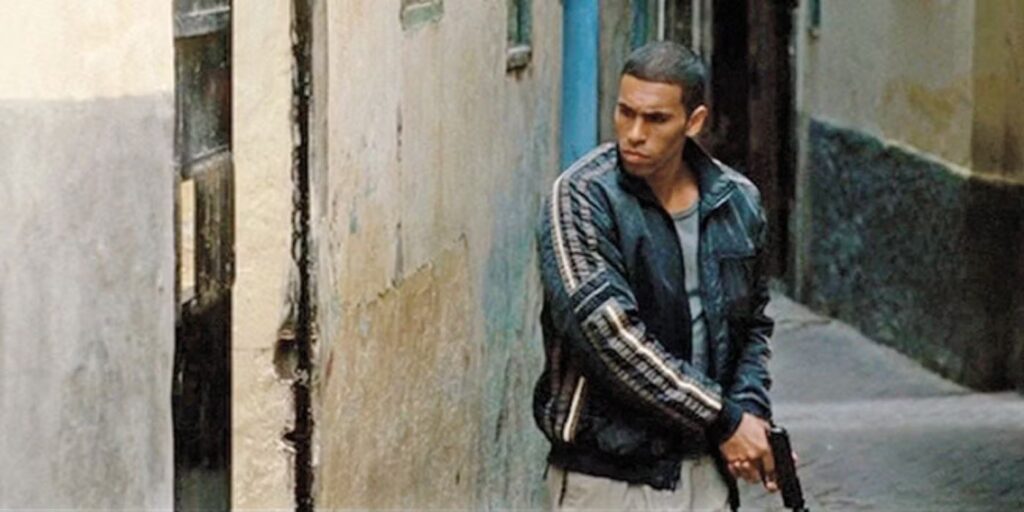
Performance-wise, this is the strongest film in the franchise. Damon, once again, nails Bourne’s quiet intensity. Julia Stiles finally gets more screen time as Nicky Parsons, and it’s satisfying to see her character more fleshed out. Scott Glenn (as CIA Director Ezra Kramer) and Paddy Considine (as journalist Simon Ross) are solid additions. Edgar Ramirez (Paz) and Joey Ansah (Desh) make formidable opponents. Albert Finney brings a chilling presence as Dr. Albert Hirsch, coming across as both paternal and menacing. But the real standout here is David Strathairn as Noah Vosen. He’s everything you want in a bureaucratic villain — arrogant, morally bankrupt, and absolutely punchable. He serves as the perfect foil to Pamela Landy, who continues to be one of the moral centers of the series.
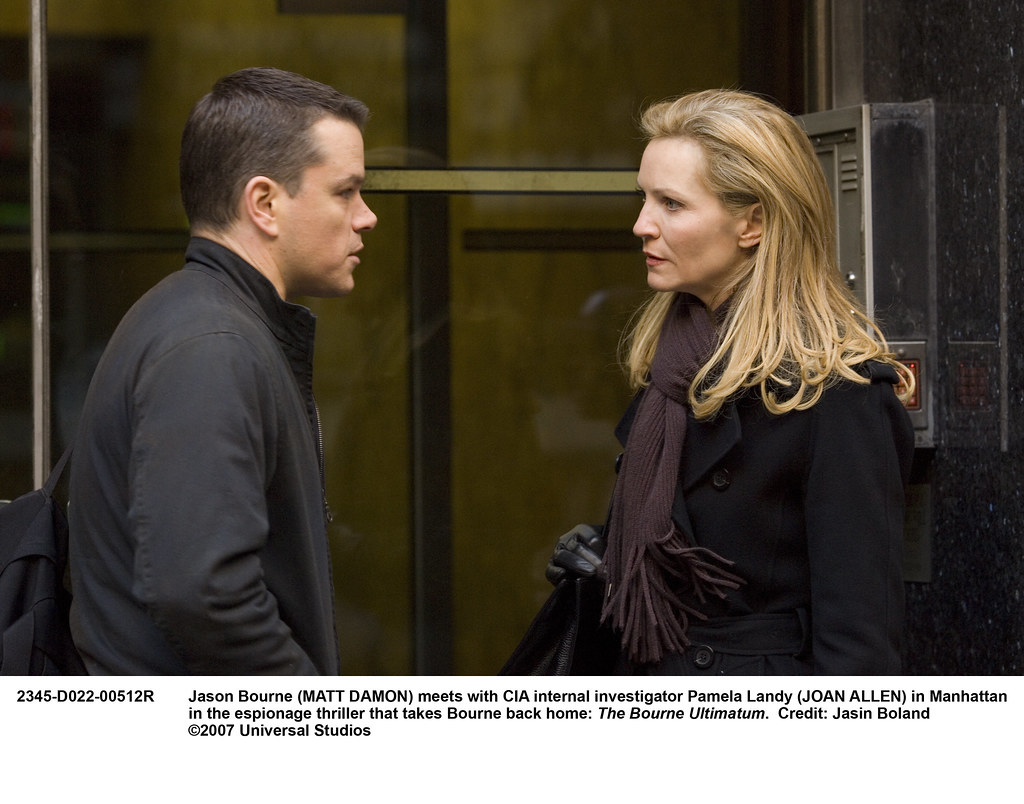
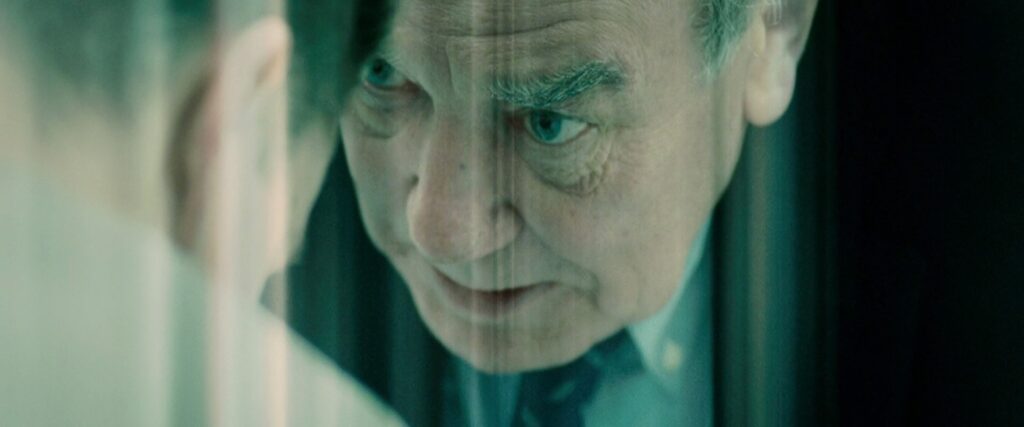
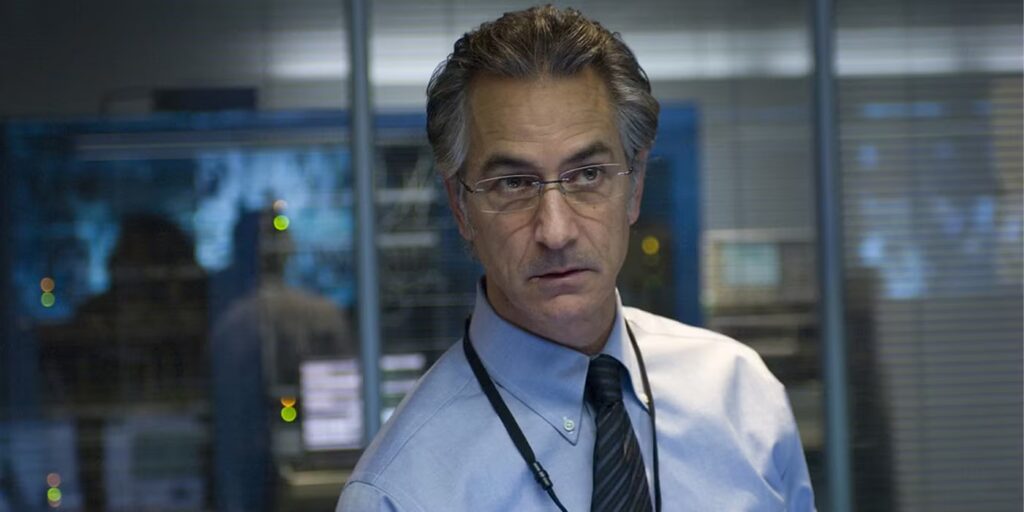
One of my favorite touches in the film is a callback to the original. When Paz demands to know why Bourne spared his life, Bourne replies, “Look at what they make you give,” echoing The Professor’s dying words from Identity. It’s a subtle, powerful moment that ties the trilogy together beautifully.
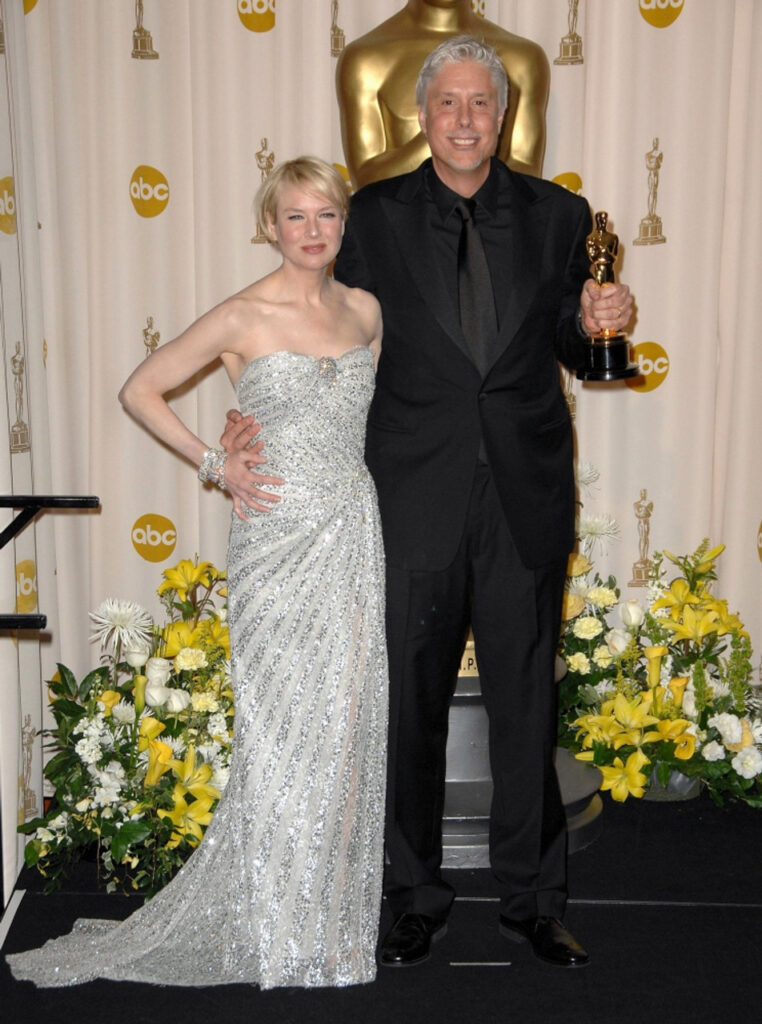
With a 92% Rotten Tomatoes score, The Bourne Ultimatum is the highest-rated film in the series. It also swept the technical categories at the Academy Awards, winning for Best Film Editing (well deserved), Best Sound Editing, and Best Sound Mixing. Honestly, it would have been the perfect note to end the Bourne saga on — a rare trilogy that stuck the landing.
Unfortunately, as we all know, studios rarely let something so successful rest. Next, I’ll cover what I consider the two “lesser” entries: The Bourne Legacy and Jason Bourne.